
Last updated November 25, 2026
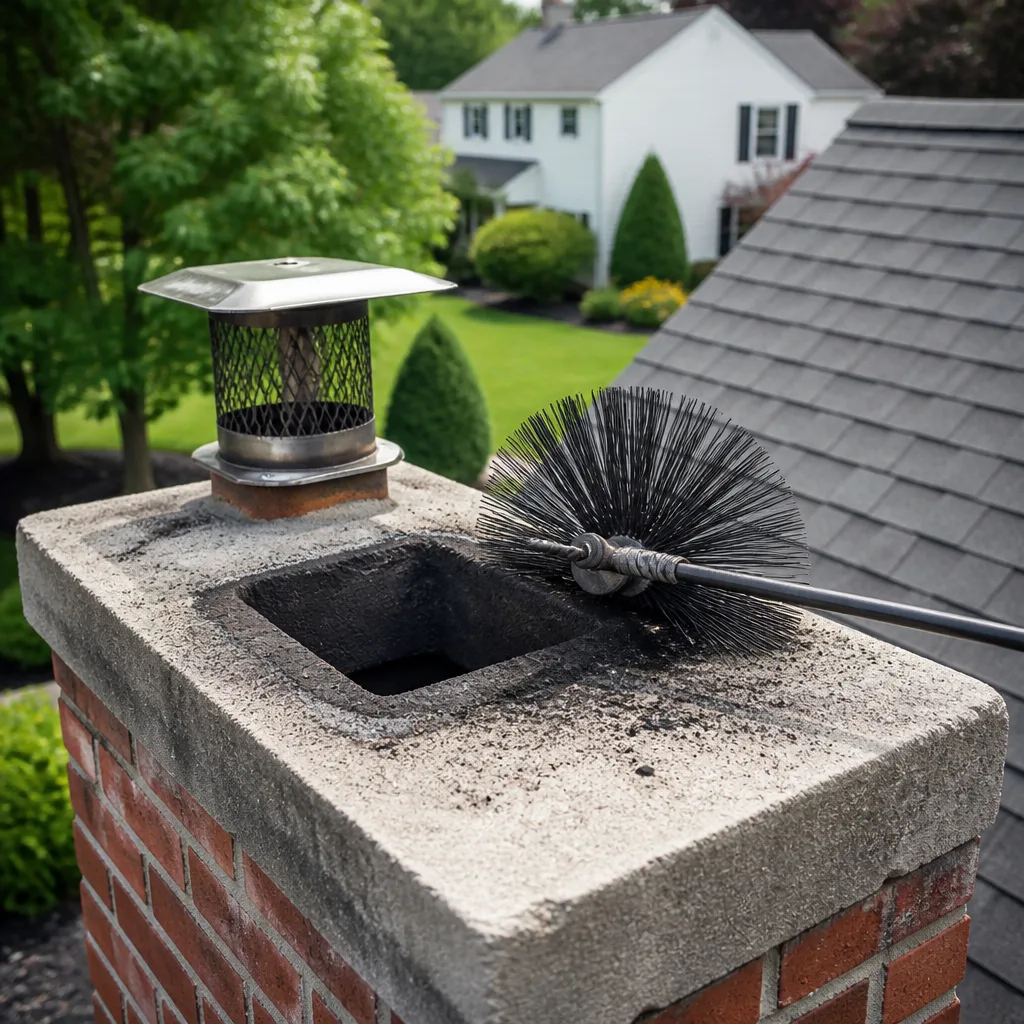 Sweep & inspection
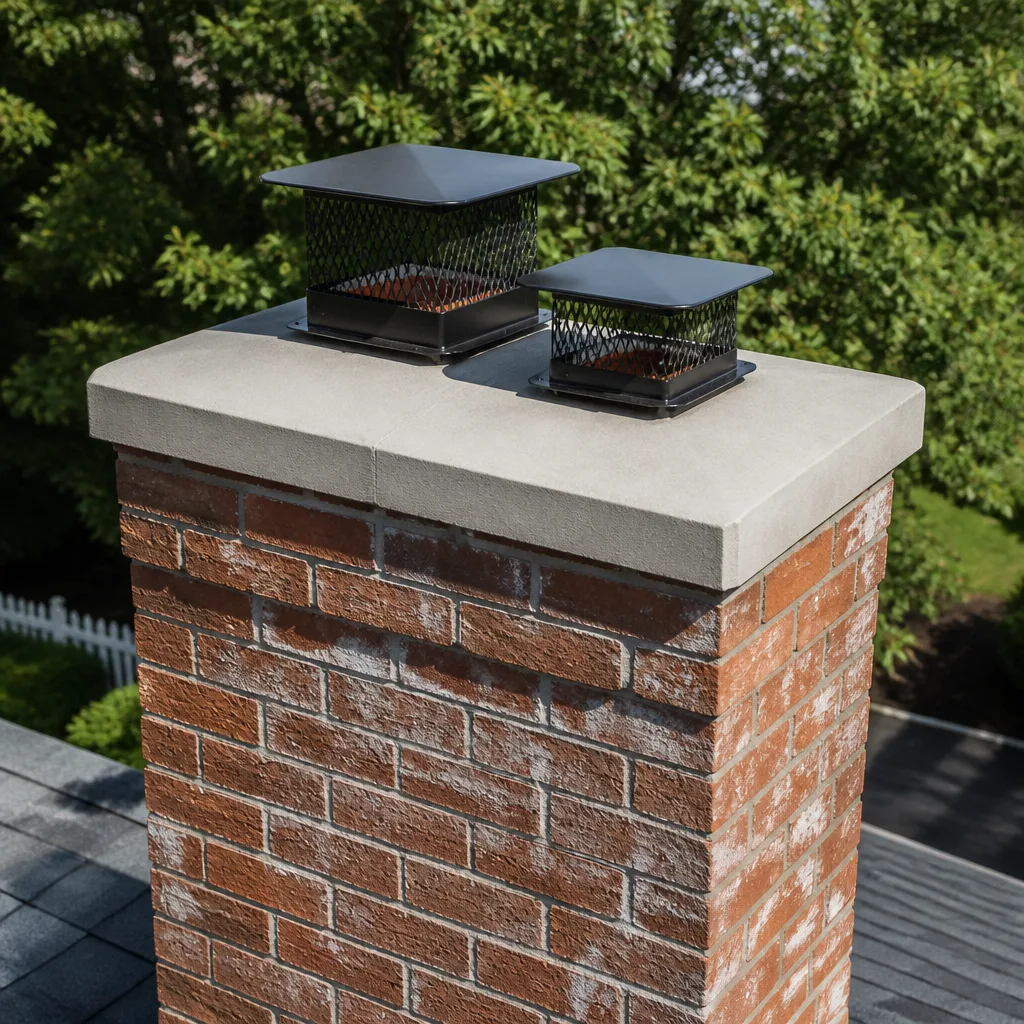 Caps & crowns
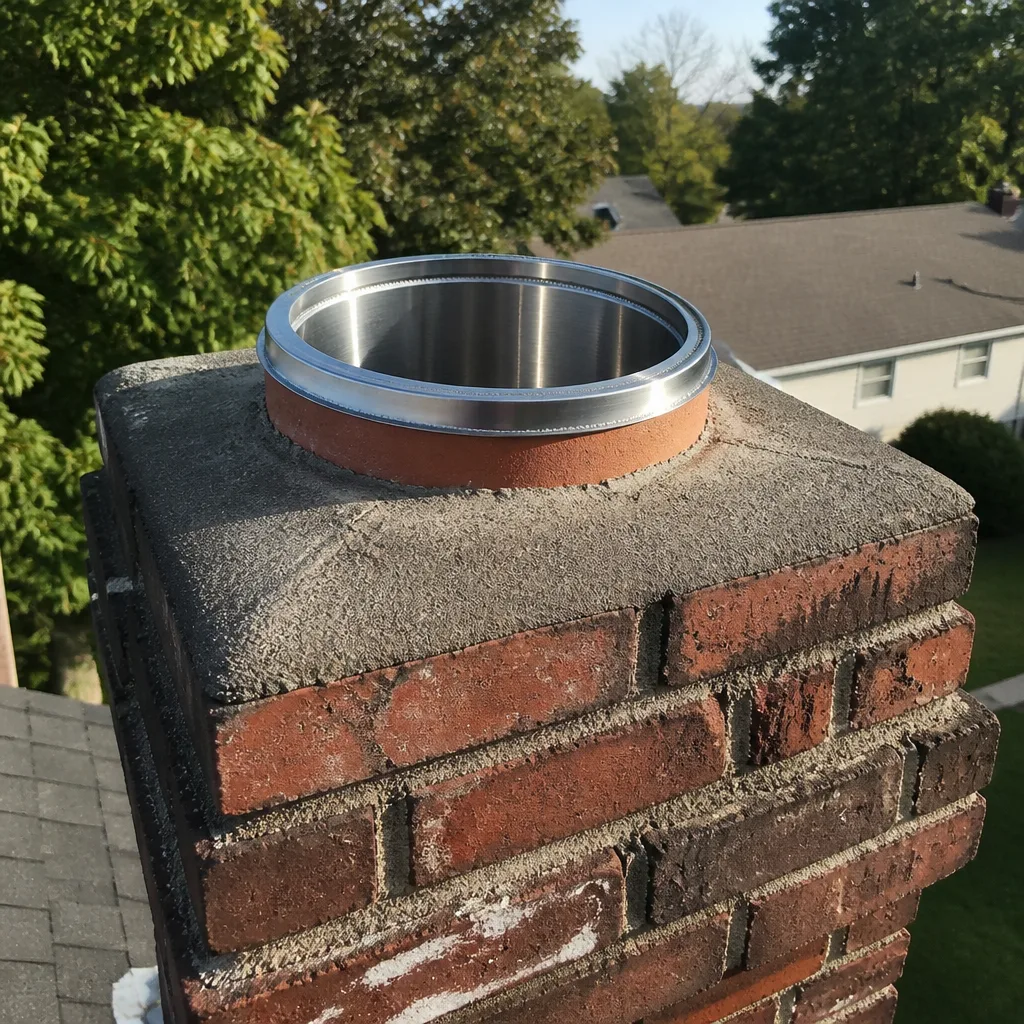 Flue relining
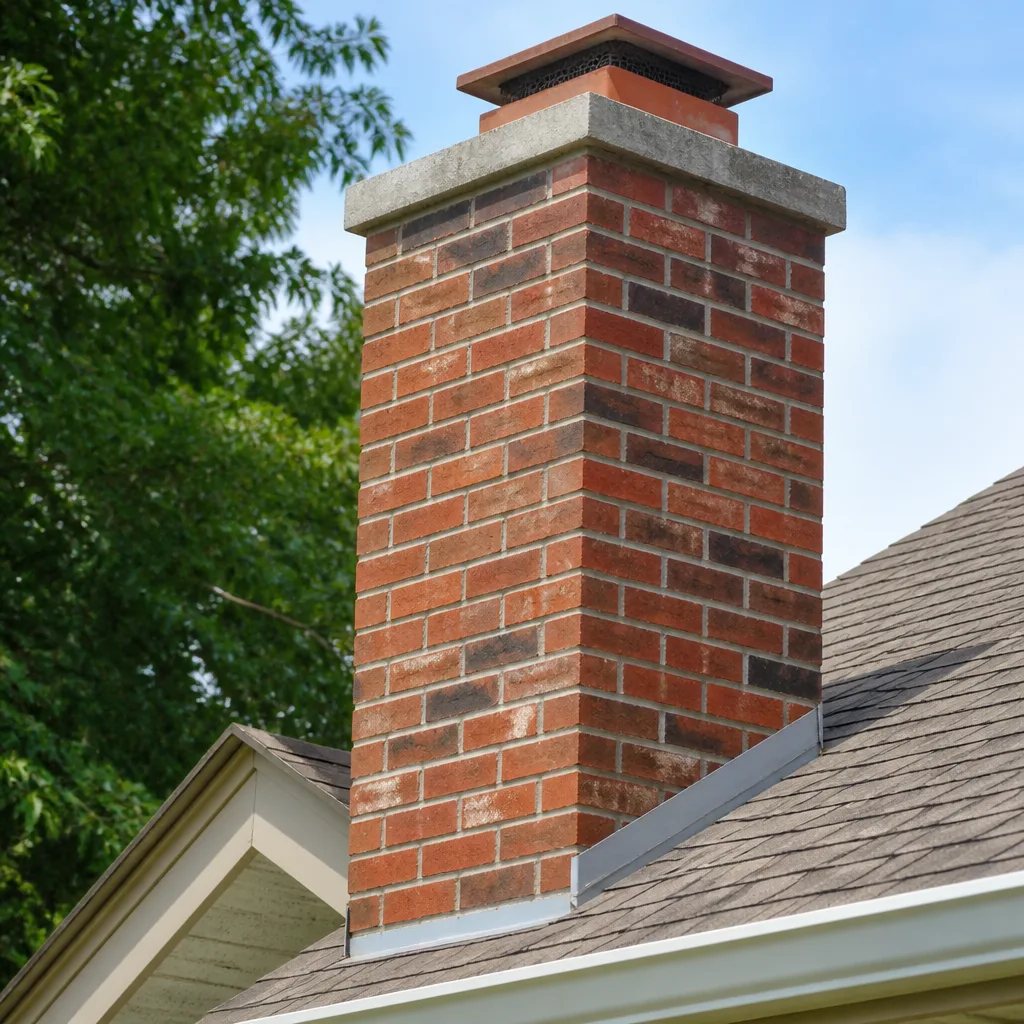 Masonry repair
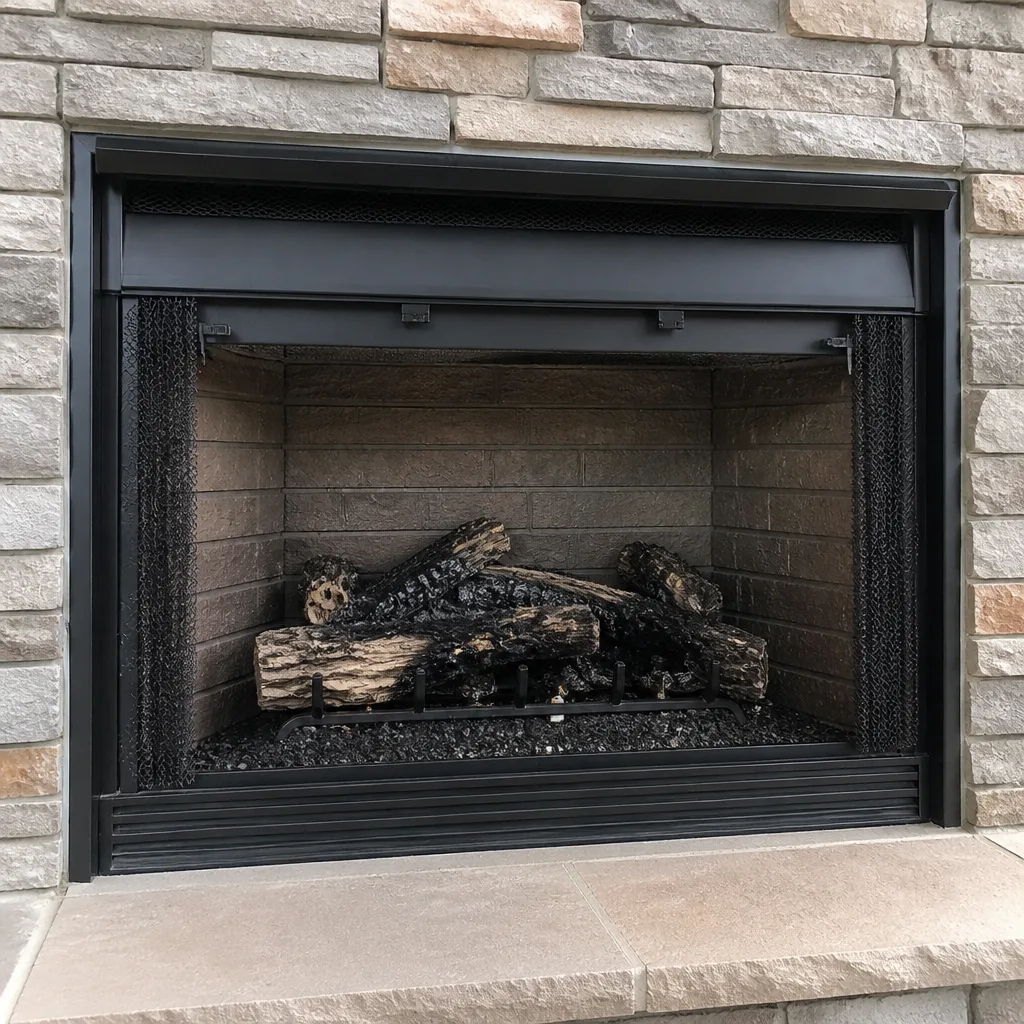 Gas fireplace service
Level 1 sweep and inspection to the NFPA 211 annual standard - flue, crown, cap, and flashing checked and photographed
Chimney sweep logs do not sweep chimneys. They loosen some creosote - which then falls where a brush and vacuum still have to collect it.
Chimney Cleaning Permits, Codes & Inspections in Ravenna, WA: What You Need to Know
Here’s the part that surprises most homeowners: the cleaning itself is never the permit problem. A sweep brushes creosote out of a flue that’s already built, and no inspector needs to sign off on that. The trouble starts later, when the cleaning turns up a cracked flue tile or a rusted-out liner, and the relining job or smoke chamber repair gets flagged years afterward during a home sale or an insurance claim, with no record anywhere that the work was done to code. The city has no paper trail, the buyer’s inspector won’t sign off, and the cost to make it right lands on whoever owns the house at that moment. This guide draws the precise line between maintenance and permitted work under Washington State and Seattle code, and it’s written from Ravenna, where the housing stock ranges from 1920s brick bungalows to newer inserts added to older fireplaces.
Quick Answer
Routine chimney cleaning and sweeping do not require a permit anywhere in Washington State. Repairs that change or replace part of the chimney system, including liner replacement, firebox rebuilding, and in many cases new cap or crown work, usually do require a mechanical or building permit through the local jurisdiction, which for Ravenna means the City of Seattle. A professional inspection, ideally a CSIA Level 2 inspection when a sale, an insurance policy, or a chimney fire is involved, is what documents the condition of the system and tells you which category your job falls into.
Styles & brands we work with
- Sweep & inspection
- Caps & crowns
- Flue relining
- Masonry repair
- Gas fireplace service
Table of Contents
- Does chimney cleaning need a permit in Washington State?
- What Washington State Building Code Section M1800 actually governs
- Seattle and King County permit thresholds: liner replacement versus repair
- How inspection levels work and how they interact with insurance
- What the “existing installation” exemption covers, and where it stops
- How unpermitted chimney work surfaces during a real estate transaction
- A step-by-step permit and inspection process for Ravenna homeowners
- Common mistakes to avoid
Does chimney cleaning need a permit in Washington State?
No. Cleaning a chimney is maintenance, and maintenance isn’t a permitted activity. A sweep removes soot, creosote, and debris from a flue that already exists and already passed whatever inspection it was subject to when it was built or last altered. Nothing structural changes, so there’s nothing for a permit office to review.
The line sits at the moment work changes the system rather than cleans it. Think of it this way: a permit is required when the work affects how the chimney performs as a safety component, not just how clean it is. That includes:
- Replacing a clay flue liner or installing a stainless steel liner inside an existing flue
- Rebuilding or resurfacing a firebox or smoke chamber
- Removing or altering a chimney to change its height or location
- Converting a wood-burning fireplace to gas or a different fuel type
- Adding or replacing a fireplace insert or a new appliance connected to the flue
Cap and crown work is its own gray area, and we’ll cover it below. For a straight chimney sweep with a condition report afterward, no permit comes into it. The work is booked, done, and documented in a written report the homeowner keeps.
What Washington State Building Code Section M1800 actually governs
Section M1800 of the Washington State Building Code sits in the mechanical chapter and covers the installation, alteration, and repair of chimneys and vents. It’s the umbrella rule that local jurisdictions like Seattle adopt and enforce. What matters for a homeowner is what M1800 actually reaches.
M1800 addresses venting of appliances, clearances to combustible materials, flue sizing, termination heights, and the requirements for liners, connectors, and caps. It doesn’t say “chimney cleaning requires a permit” because cleaning isn’t an installation or alteration. But when a repair changes the venting system’s components or its clearances, M1800 kicks in, and so does the local permit review that enforces it.
Two practical points from M1800 that come up again and again on Ravenna rooftops:
- Clearances are part of the code, not a suggestion. When a chimney is repaired or relined, the assembly has to meet the clearance requirements for its type, which is why a straight swap of one liner for another isn’t always as simple as it sounds.
- Repair is defined by scope, not by the invoice. A patch that leaves the venting noncompliant is still a repair that should have been permitted. This is the gray zone where unpermitted work tends to hide.
Washington adopts the code with amendments, so the exact language in force at any given time should be confirmed with Seattle’s building department rather than a web summary, including ours. What doesn’t change is the principle: maintenance is free of permits, and any alteration to the venting system gets reviewed. If you’re unsure which side of that line your job falls on, the Chimney Sweep Ravenna team can tell you after a look at the flue.
Seattle and King County permit thresholds: liner replacement versus repair
Seattle issues mechanical and building permits through its Department of Construction and Inspections. King County handles permitting outside Seattle city limits, so a chimney job in unincorporated areas east or north of the city falls under the county process, not the city’s. Ravenna is inside Seattle, so a Ravenna homeowner is generally working with the city’s permit review.
The threshold question is whether the work counts as replacement or repair. Here’s how it usually sorts out:
- Full liner replacement: Almost always a permit. Replacing the flue liner changes the venting assembly and its clearances, and it usually requires inspection of the liner before the flue is closed up.
- Spot repairs to a cracked flue tile: Often permitted, sometimes treated as repair depending on scope and how the repair is done. This is the category that needs a conversation with the permit office rather than a guess.
- Cleaning and sweeping: Never permitted.
- Crown repair and resurfacing: Typically maintenance when it reseals the existing crown; a permit enters the picture when the crown is rebuilt or the chimney top is altered structurally.
- Cap installation: Generally not permitted on its own, since a cap is an accessory, though it must not obstruct the required venting termination.
HeatShield liner restoration sits right at this boundary. It’s a repair-and-resurface process for a flue that’s damaged but still structurally sound enough to restore, using a professional-grade product that only qualified chimney specialists install. Whether a given HeatShield application needs a permit depends on the scope and how your jurisdiction reads it, which is a question we’d rather answer by looking at the flue than by guessing over the phone. Insist on the permit before the work begins rather than finding out after the fact.
How inspection levels work and how they interact with insurance
Chimney inspections are categorized by scope, and the categories matter because they determine what’s documented. The standard framework runs from a basic visual read-through to a fully camera-assisted examination.
- Level 1: A visual inspection of the readily accessible parts of the chimney, fireplace, and connections during a routine sweep. No special tools, no camera. This is what most annual cleanings come with.
- Level 2: The accessible portions examined with a camera, often after a chimney fire, after a change of fuel type, after a property sale, or when the system has been through a significant event. It’s the inspection an insurance carrier most often asks for. It documents the flue interior and the condition of the liner and connections.
- Level 3: The most invasive level, reserved for cases where the internal condition can’t be established without opening part of the chimney or taking apart a component.
After a chimney fire, an insurance carrier may want a Level 2 report with photo documentation before it will process a claim for related damage. The same is true during a purchase inspection: a buyer’s inspector who flags the chimney will typically ask for a Level 2 with photos rather than a verbal opinion. That camera evidence is what the claim or the sale rests on, and it’s why a chimney-only specialist who both inspects and repairs is worth having. We inspect it and we fix it in one pass, with the camera inspection and photo report included in the job.
The chimney cap & crown condition gets evaluated as part of this, since a compromised cap lets water and animals into the flue, which is one of the fastest ways a documented problem becomes a repair.
What the “existing installation” exemption covers, and where it stops
This is the piece most contractors skip, and it’s the one that causes trouble later. When code provisions change, existing installations are often “grandfathered” in a limited sense: a chimney built to the code in force when it was installed doesn’t have to be brought up to current standards just because the code changed. That’s the exemption, and it’s real.
What the exemption does not do is cover new work performed on that old chimney. Here’s where the gray area begins:
- The exemption attaches to the installation, not the owner. Once you replace the liner, the new liner is new work and has to meet current requirements. The old exemption doesn’t travel with the new component.
- A repair that substantially replaces a component can be treated as an alteration. This is the judgment call that varies by jurisdiction, and it’s why two contractors can disagree about whether a permit is needed without either of them lying.
- Existing noncompliance is not automatically fixed work. A chimney that was built with inadequate clearances and gets a new liner still has inadequate clearances unless the repair addresses them. Passing the liner inspection doesn’t erase the underlying problem.
In our experience, the exemption gets used as a blanket excuse for skipping the permit entirely, when what it actually does is narrow which jobs need one. If the chimney is being altered in a way that changes its components, plan on a permit. If it’s being cleaned and resealed, plan on documentation instead.
How unpermitted chimney work surfaces during a real estate transaction
Here’s the mechanism: a homeowner sells the house, the buyer’s inspector examines the chimney, and the report notes that a liner was recently replaced or a firebox rebuilt. The buyer’s agent asks for proof of the permit and the inspection sign-off. There is none, because the work was done without one. The sale doesn’t necessarily fall apart, but the price does, or the seller pays to have the work opened up and re-inspected, sometimes to redo what was already done.
Insurance claims work the same way. The carrier wants the Level 2 report and the permit documentation for the repair that’s now being claimed. If the repair was never permitted and never inspected, the claim gets scrutinized or denied, and the owner is left holding a chimney that’s technically still in the category of “unverified work.”
What it costs to remediate versus doing it right the first time isn’t a number we’ll quote here, because it depends on the scope and the jurisdiction’s process. What we can tell you is the direction it moves: doing it right once, with the permit and the inspection documented, is less expensive than opening a finished chimney back up to satisfy a buyer or a carrier later. The fireplace repair side of the job follows the same logic. A repair done to code with the paperwork is an asset; a repair done without it is a liability on a disclosure form.
A step-by-step permit and inspection process for Ravenna homeowners
Here’s the sequence we walk Ravenna homeowners through, from first call to signed-off work. It’s the same sequence whether you’re worried about a pre-sale inspection or a chimney that’s been out of service for a while.
- Book the sweep and inspection. A cleaning plus a visual inspection establishes what’s actually there. If the flue is damaged, the inspection tells you how, with camera evidence rather than a verbal recommendation.
- Get the inspection report and the camera photos. The report is what you’ll hand to an insurer or a buyer. It documents the flue interior, liner condition, cap, crown, and firebox. Nothing gets recommended without that evidence in front of you.
- Sort the work into maintenance or permitted scope. Cleaning, resealing, and minor repairs go in the maintenance column. Liner replacement, firebox rebuilding, and alterations to the venting assembly go in the permitted column.
- Confirm the permit requirement with the City of Seattle. A quick call to the permit office, or a check on the department’s website, establishes whether your specific scope needs a mechanical or building permit. We’d rather have it confirmed than assumed.
- Pull the permit before any work begins. A permit taken out after the fact is a mess nobody wants. The permit is pulled for the work, and the inspection is scheduled around it.
- Do the work and get it inspected. A liner installation, for example, typically needs to be inspected before the flue is closed in, so the schedule is set to accommodate that.
- Keep the documentation. The permit number, the inspection sign-off, and the inspection report live together in a folder. That folder is what shows up at resale, and having it is the difference between a clean transaction and a price adjustment.
If any of this sounds like more process than a cleaning needs, that’s because it is. Cleaning is one step. The permit and inspection trail matters for the repairs that come after.
Common Mistakes to Avoid
- Assuming the whole job is permit-free because the sweep was. A cleaning doesn’t need a permit, and that fact gets applied to the relining job that follows it. Sort the scope honestly, because the permit office will.
- Taking a contractor’s word that no permit is needed. A contractor who skips permits to save time is leaving you the paperwork problem. Ask directly whether your scope requires one, and call the permit office if the answer is vague.
- Treating the “existing installation” exemption as a blanket pass. It covers the installation, not new work on top of it. A replaced liner is new work and meets current requirements.
- Skipping the Level 2 inspection after a chimney fire or before a sale. The camera report is what the insurer or buyer asks for, and getting it later means opening the flue back up.
- Letting a cap or crown go unrepaired because the cleaning passed. A failed crown lets water into the chimney, and water in a chimney in the Ravenna climate, with its wet winters and long damp stretches, is a slow route to a masonry repair.
- Hiring a generalist for chimney work and assuming the process is the same. A chimney-only specialist works within the code and permit framework as a daily routine. A general contractor with chimney work on the side may not.
- Losing the documentation. The permit and inspection report have a second life at resale. Keep them with the title paperwork, not in a shoebox in the garage.
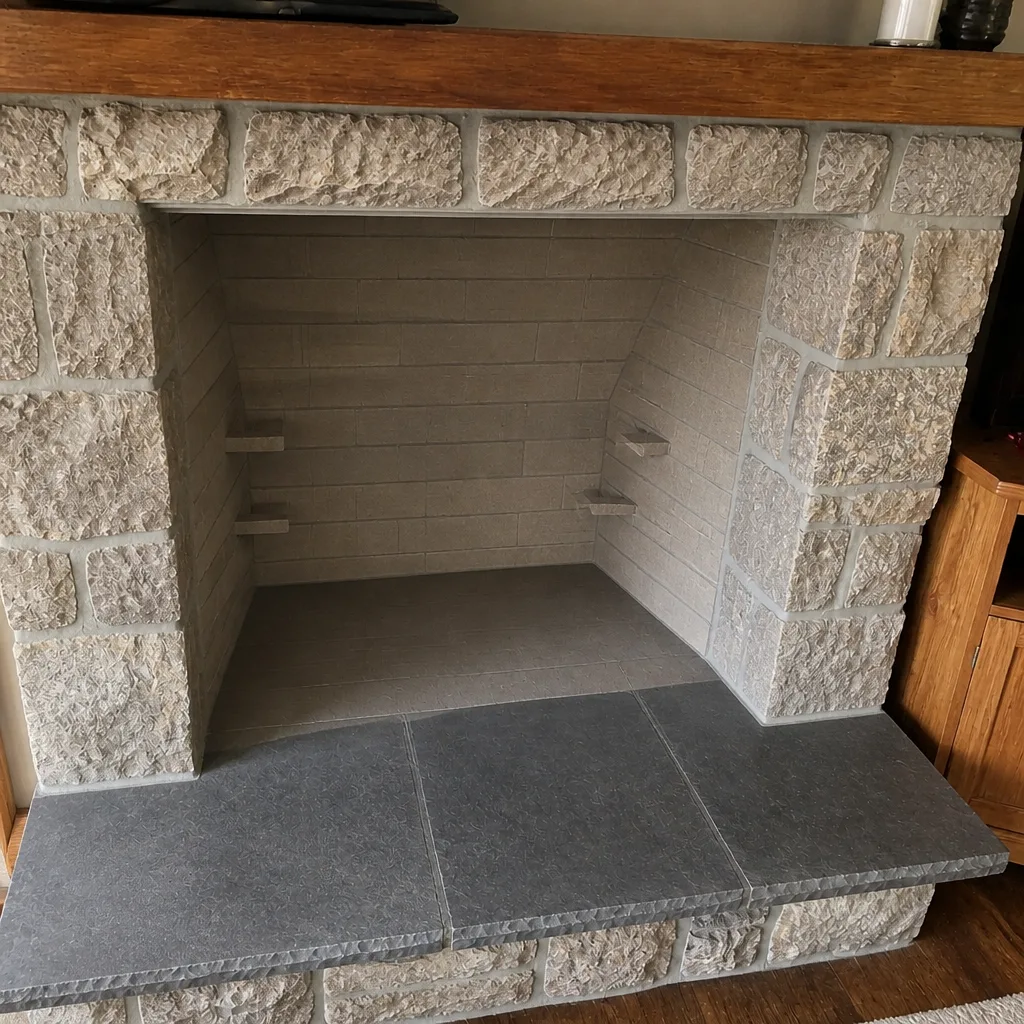
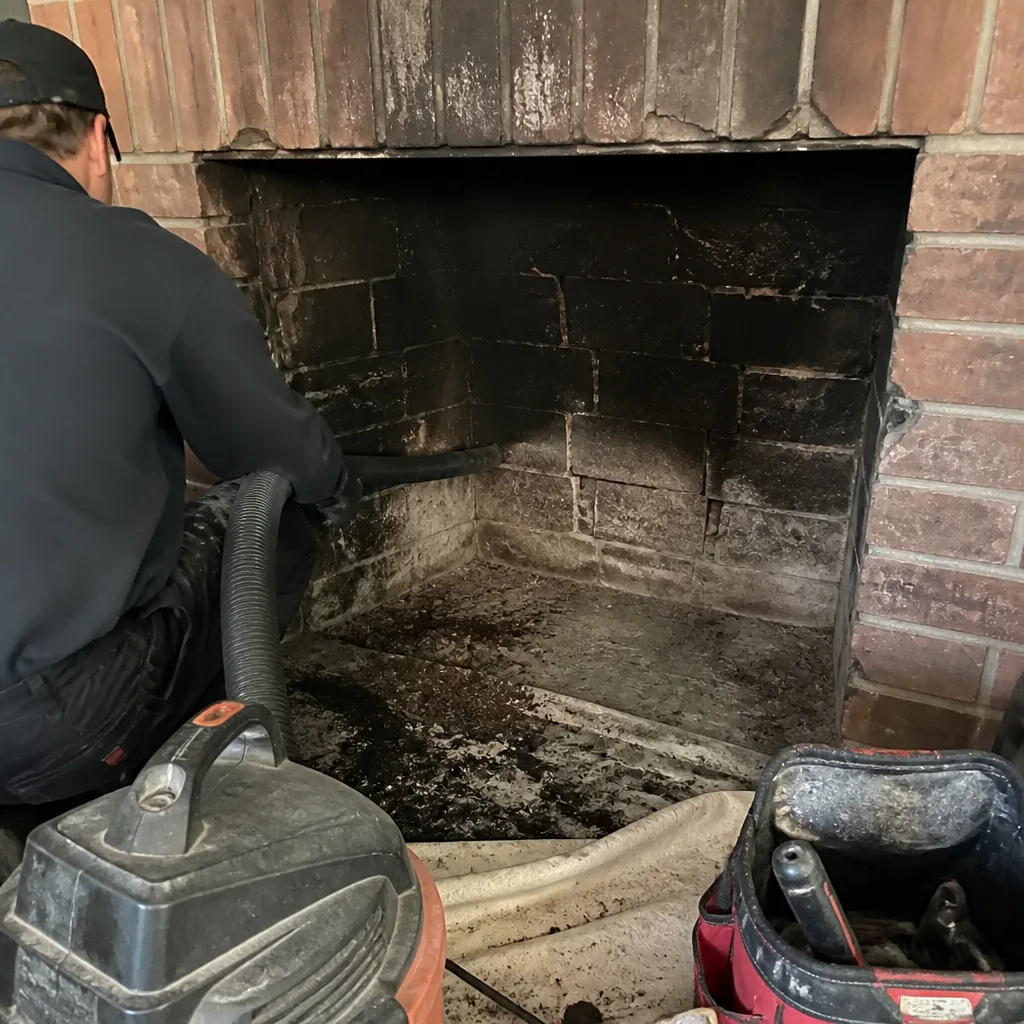
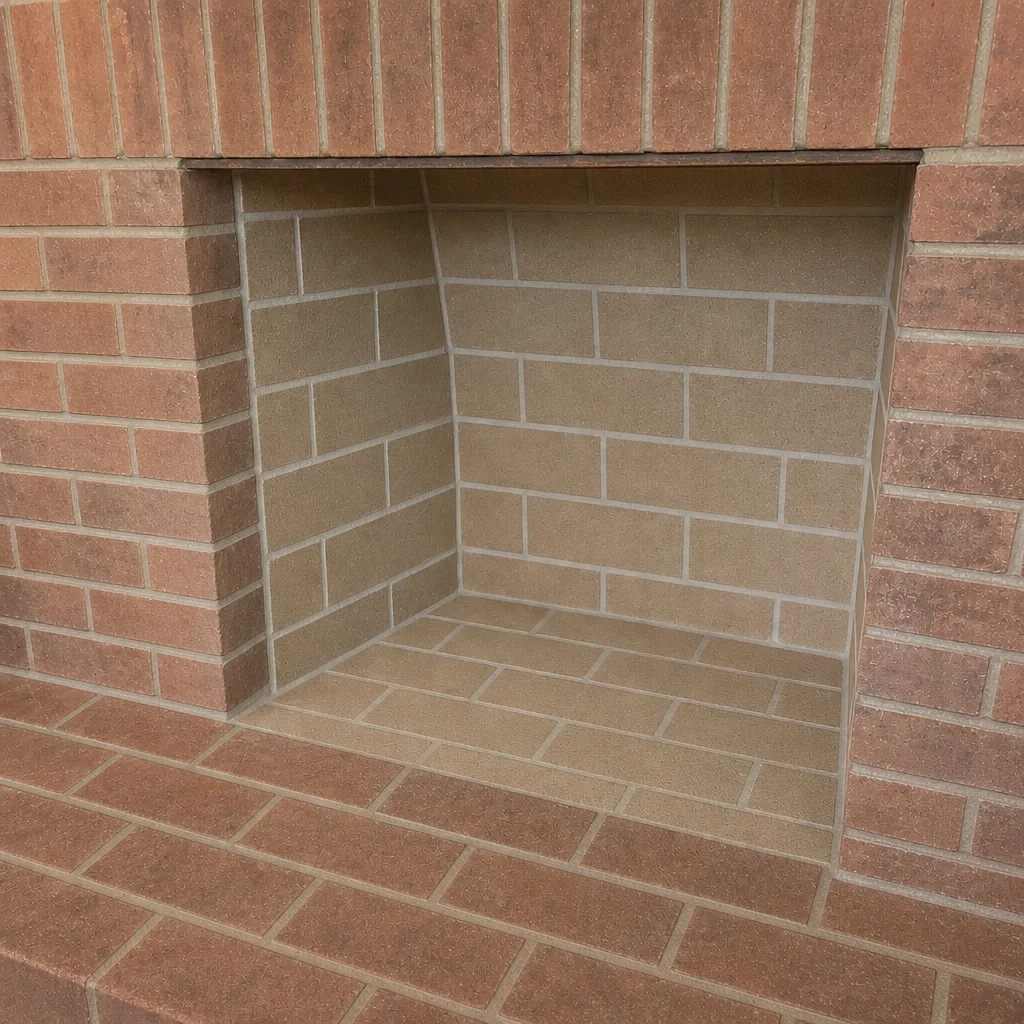
See the difference
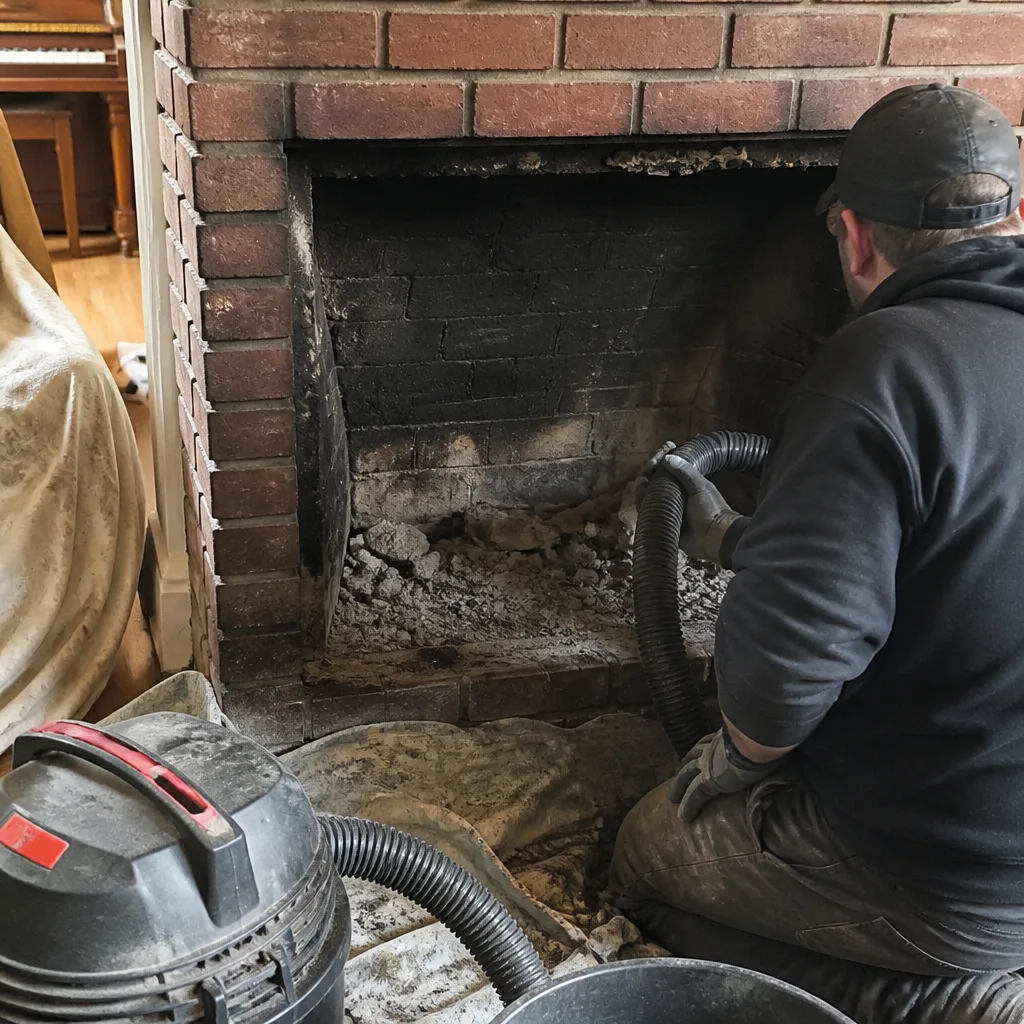 Before
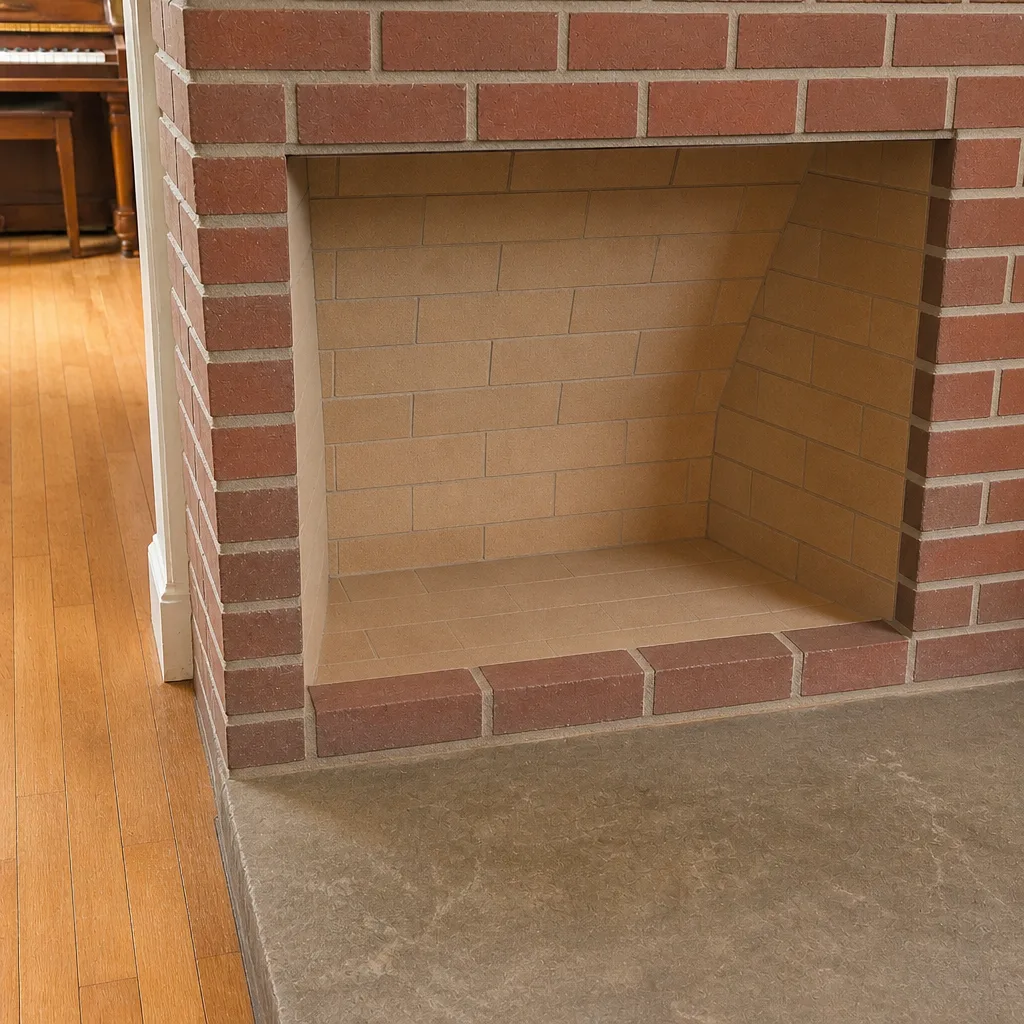 After
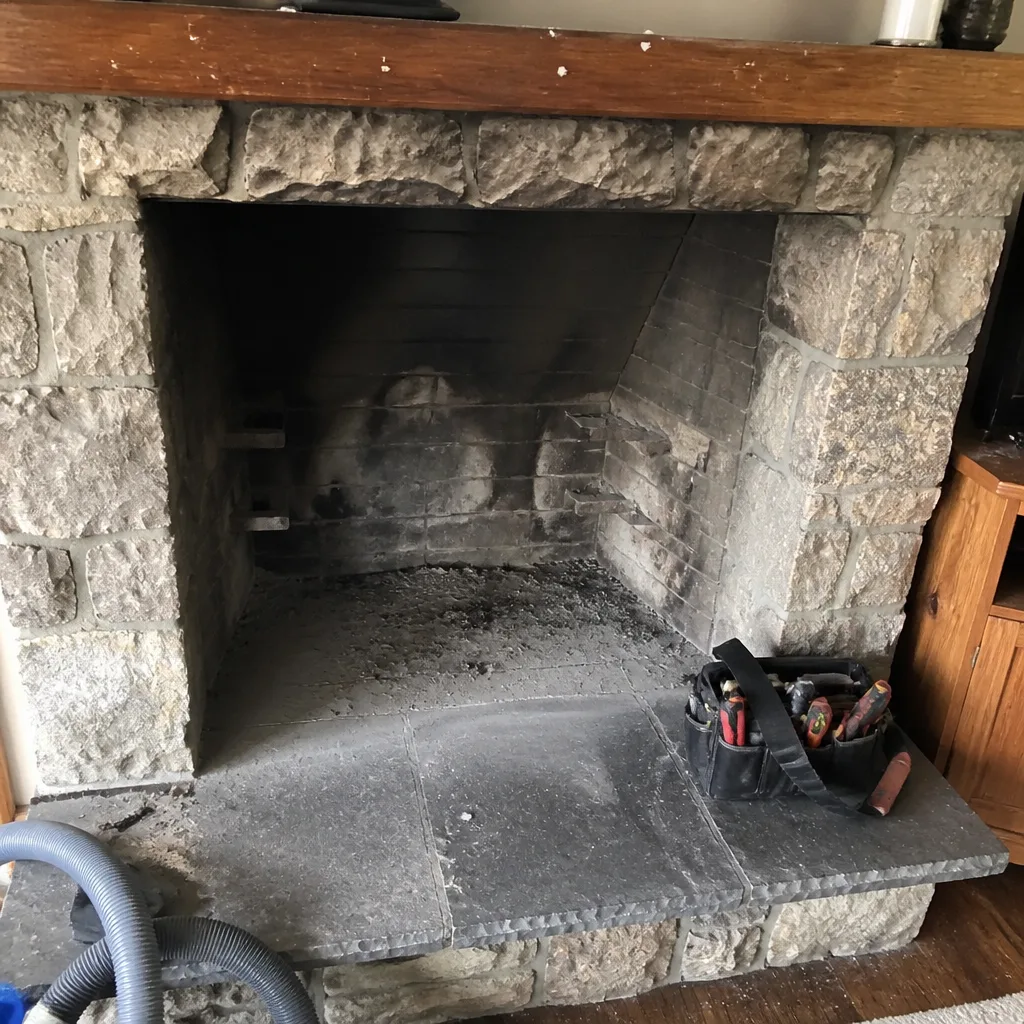 Before
 After
 Before
 After
When to Call a Professional
Call when the cleaning turns up something that might be a repair, when you haven’t had the chimney inspected since buying the house, or when an insurer or a buyer asks for a Level 2 report. Call after a chimney fire, even a small one, and call when a cap, crown, or damper is failing in a way you can see from the ground. If you’re selling a Ravenna home and there’s no record of the last liner or firebox work, a proactive inspection now beats a surprise during escrow. Chimney Sweep Ravenna offers free estimates in Ravenna, call (855) 550-7534. We inspect it and fix it, so the findings and the repairs stay with one team.
Frequently Asked Questions
No. Routine chimney cleaning and sweeping do not require a permit in Ravenna or anywhere in Washington State, because cleaning is maintenance on an existing flue. Repairs that change the venting system, like a liner replacement or firebox rebuild, usually do need a permit through the City of Seattle. Call (855) 550-7534 for an exact quote on your cleaning or repair, estimates are free.
In most cases, yes. Replacing a flue liner is an alteration to the venting assembly, and the City of Seattle generally requires a mechanical or building permit for it, with an inspection before the flue is closed up. The scope of your specific job should be confirmed with the city’s permit office before work begins. Call (855) 550-7534 for an exact quote, estimates are free.
It’s the inspection an insurance carrier typically asks for, and it’s the right call even if no claim is filed. A Level 2 inspection uses a camera to examine the flue interior and connections, and the resulting photo report is what a carrier or a buyer will accept as documentation. Cleaning alone doesn’t produce it. Call (855) 550-7534 for an exact quote, estimates are free.
It depends on the scope and how the jurisdiction reads it, which is why it’s a question best answered after the flue has been inspected. HeatShield is a professional-grade restoration product for a flue that’s damaged but still structurally sound, and it isn’t a substitute for a full liner replacement when the flue can’t be restored. We won’t recommend either without camera evidence you can see for yourself. Call (855) 550-7534 for an exact quote, estimates are free.
It shows up when the buyer’s inspector asks for the permit and inspection record and there isn’t one. The result can be a price adjustment, a demand that the work be opened up and re-inspected, or a stalled escrow while it gets sorted. Having the permit and the inspection sign-off is the difference. Call (855) 550-7534 for an exact quote, estimates are free.
It covers the chimney as it was originally installed, under the code in force at that time, so an old chimney doesn’t have to be brought up to current standards just because the code changed. It doesn’t cover new work on that chimney. A replacement liner, a rebuilt firebox, or an altered venting assembly is new work and meets current requirements, which is where most permit disputes begin.
The Bottom Line
The permit question in Ravenna isn’t about cleaning. It’s about the repairs a cleaning uncovers, and whether the work that followed was done to code with a record you can produce when an insurer or a buyer asks. Cleaning stays permit-free, liner replacement and firebox rebuilding usually don’t, and the “existing installation” exemption narrows the list rather than clearing it. A CSIA Level 2 inspection with photos is what documents the system and feeds the claim or the sale. From sweep to structural repair, Chimney Sweep Ravenna handles inspection findings and repair work with one team, using professional-grade brands like DuraFlex, HeatShield, Olympia Chimney, and Gelco. Call (855) 550-7534. We answer 24/7. Fast dispatch from 7am to 7pm, Sunday through Friday.
Written by the team at Chimney Sweep Ravenna.