
Last updated November 25, 2026
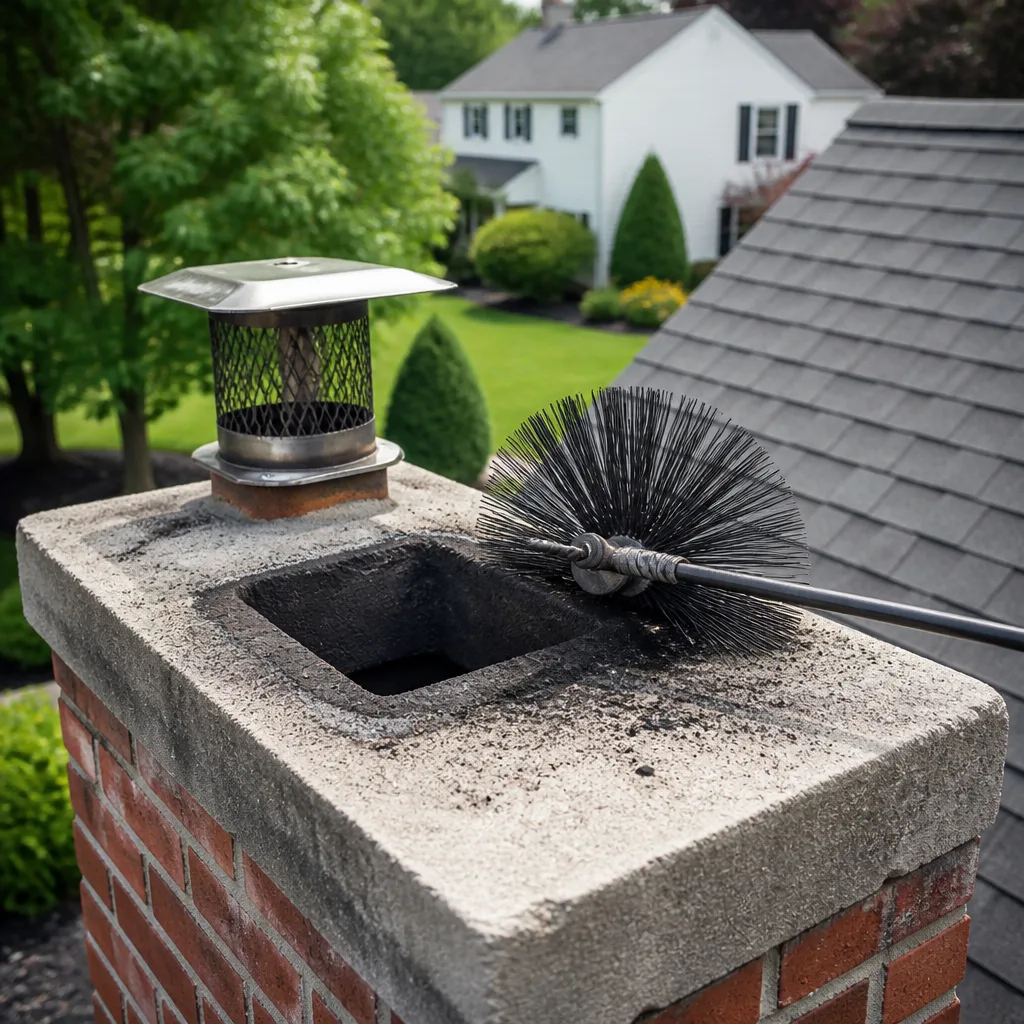 Sweep & inspection
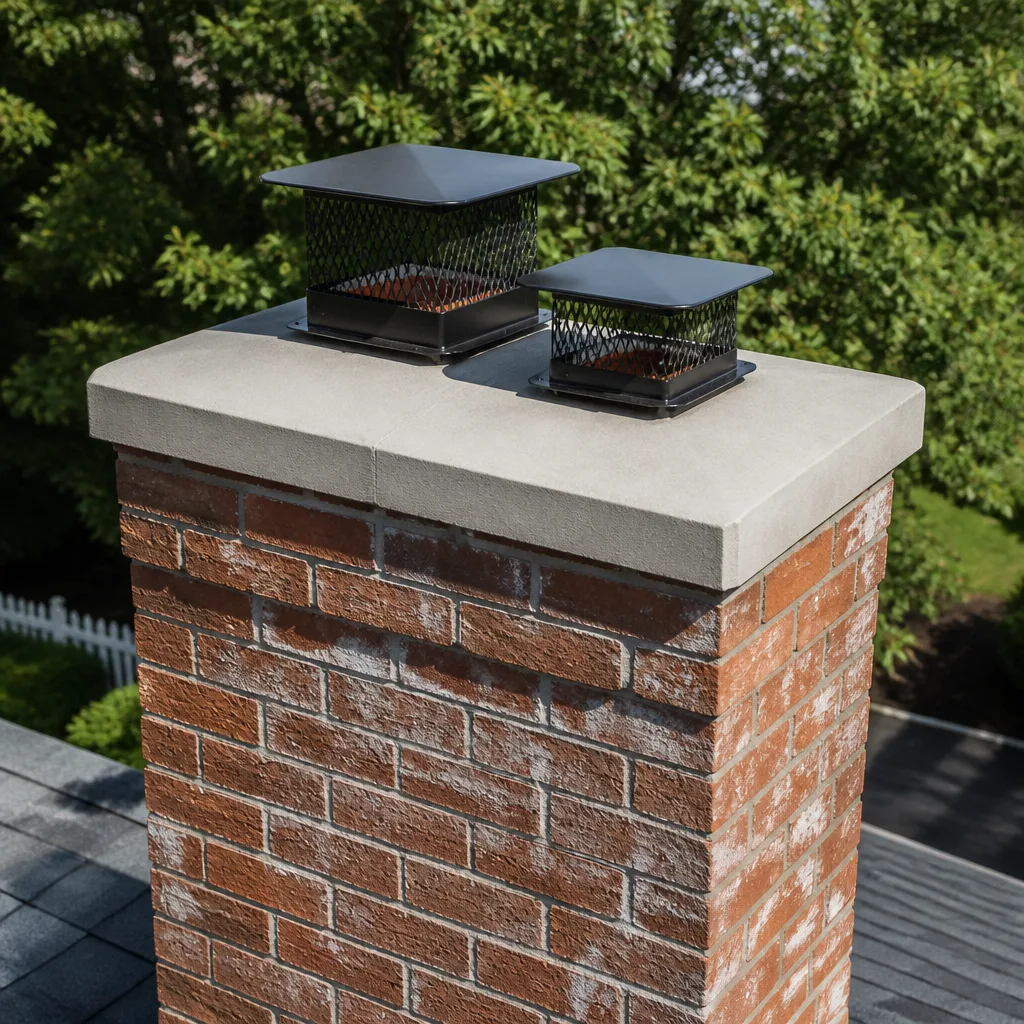 Caps & crowns
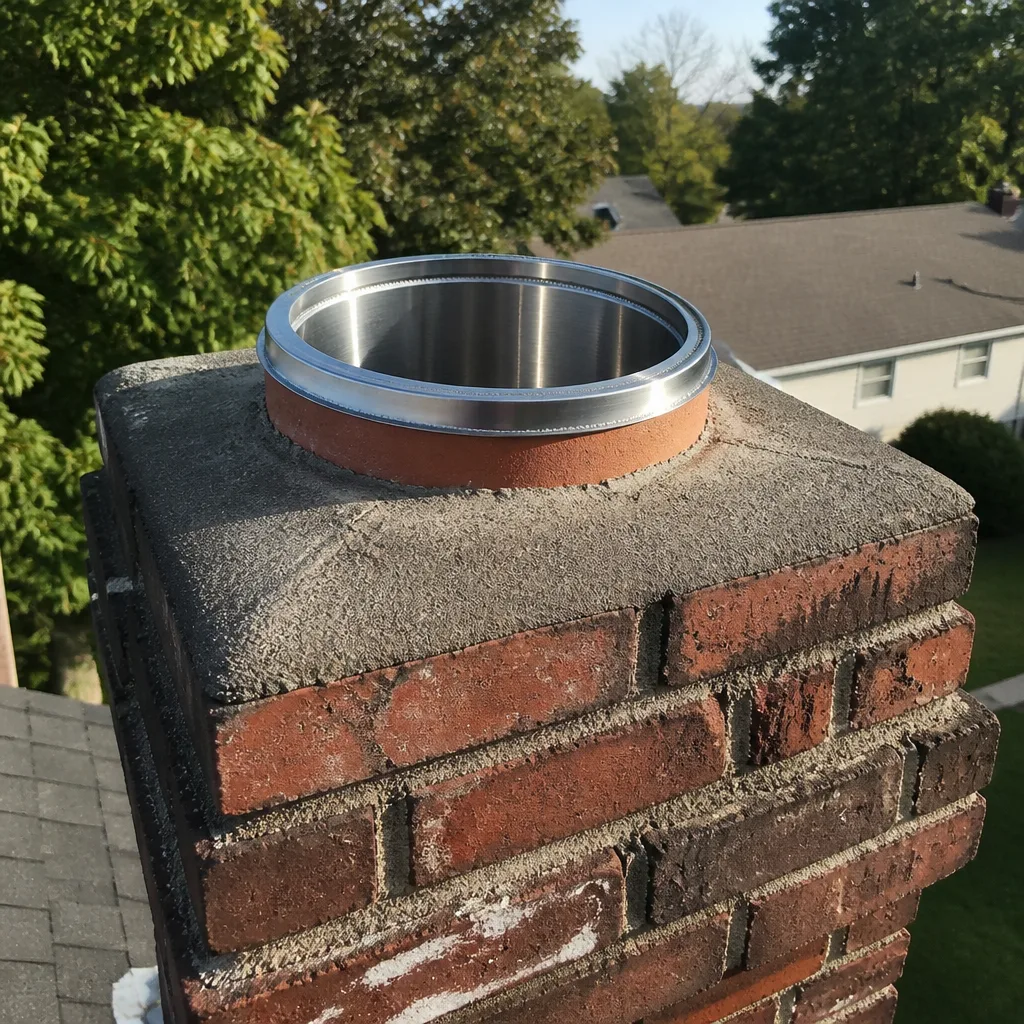 Flue relining
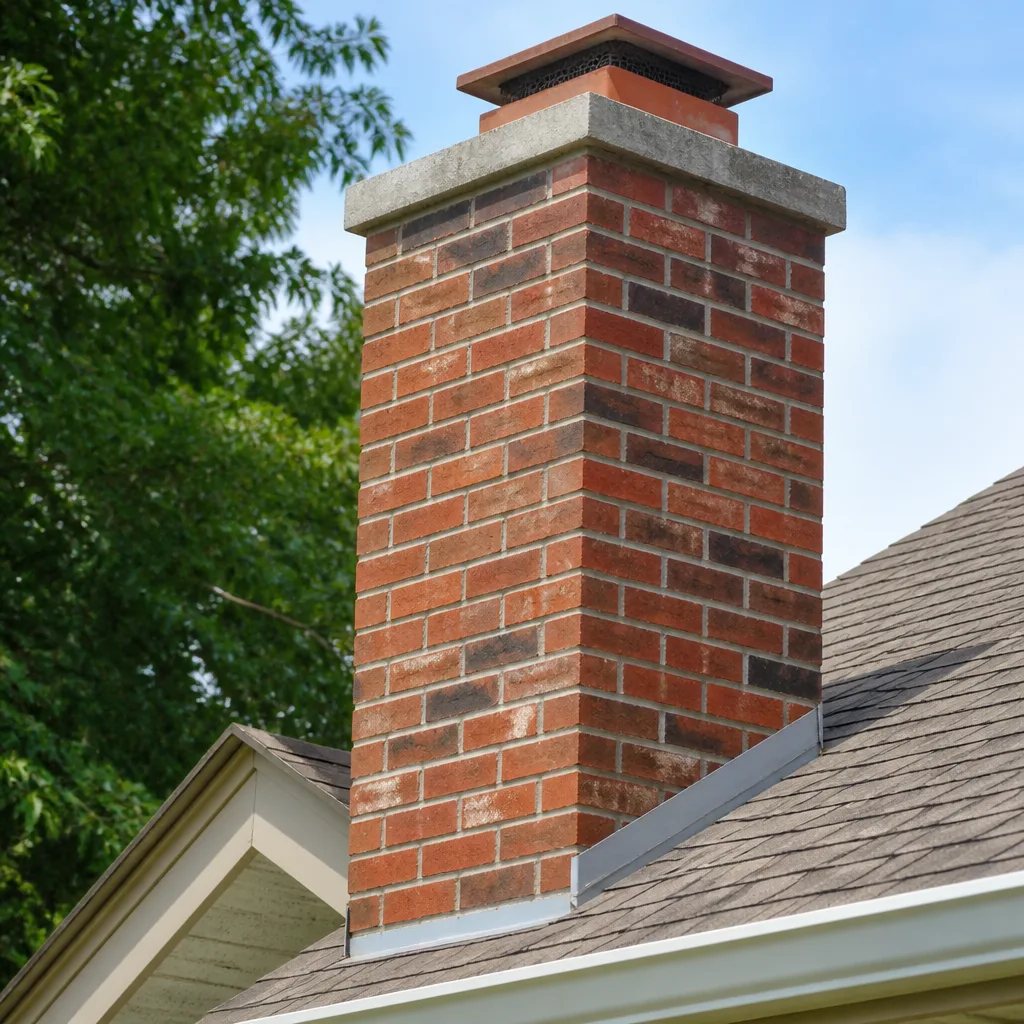 Masonry repair
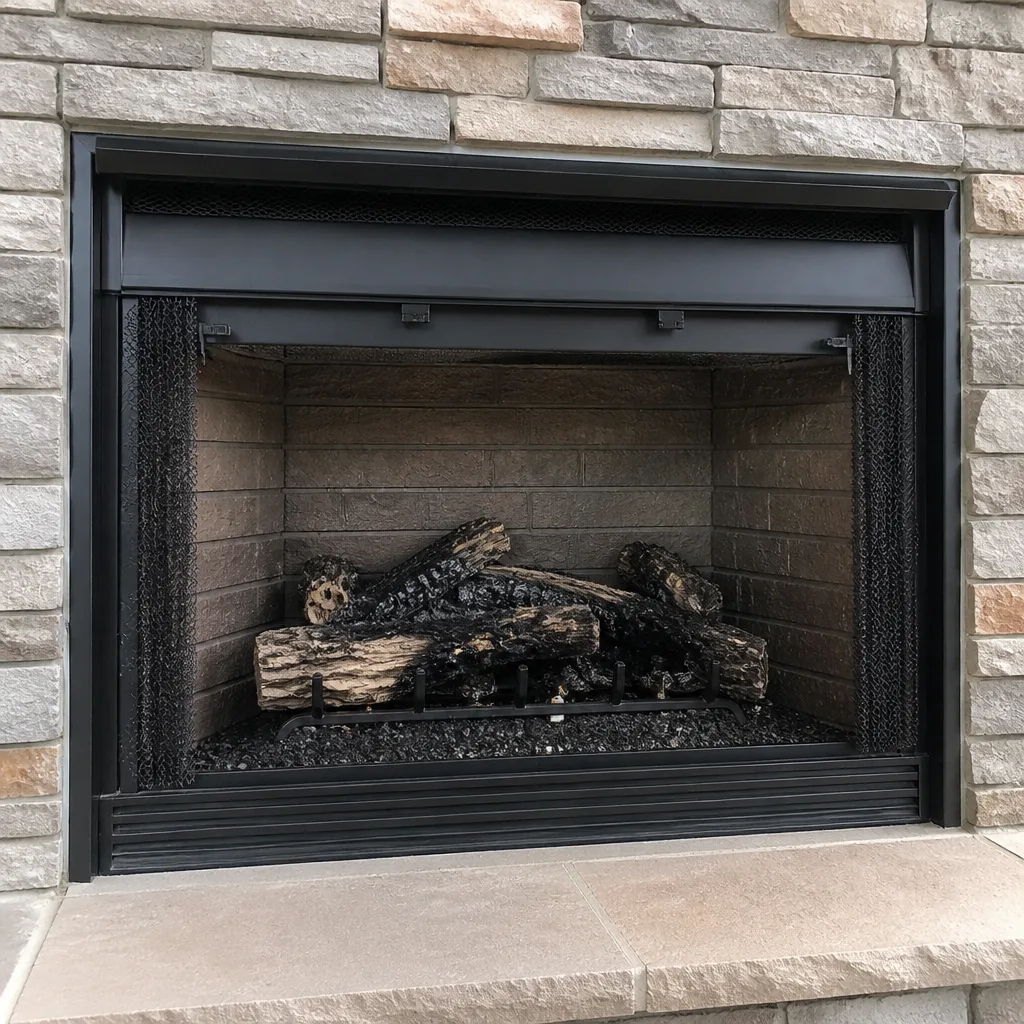 Gas fireplace service
Level 1 sweep and inspection to the NFPA 211 annual standard - flue, crown, cap, and flashing checked and photographed
Chimney sweep logs do not sweep chimneys. They loosen some creosote - which then falls where a brush and vacuum still have to collect it.
Chimney Sweep Troubleshooting in Ravenna: Common Problems and How to Fix Them
A smoky fireplace and a cold backdraft feel identical to a homeowner. Both push smoke into the room. Both smell. Both make you wonder if the chimney is blocked. But they come from opposite causes, and the repair for one does nothing for the other. We’ve watched Ravenna homeowners pay for a sweeping that couldn’t possibly fix a backdraft problem, and we’ve watched people chase drafts for a year when the real issue was a failing liner. This guide separates the symptoms from the root causes. You’ll learn the five underlying problems behind most chimney complaints in Ravenna, how to tell them apart yourself, and when each one actually needs a professional.
Quick Answer
Most chimney problems in Ravenna trace back to one of five root causes: a draft or pressure problem, a blocked or restricted flue, creosote buildup, water damage to mortar and masonry, or a failed liner. The symptom you notice first – smoke, smell, a cold stove, crumbling mortar – is usually not the same thing as the cause. Diagnose the root before you book a repair, because a sweeping won’t fix a backdraft and a draft fix won’t fix a cracked liner. A free estimate from Chimney Sweep Ravenna starts with figuring out which of the five you actually have.
Styles & brands we work with
- Sweep & inspection
- Caps & crowns
- Flue relining
- Masonry repair
- Gas fireplace service
Table of Contents
- The five root causes behind almost every chimney problem
- Draft problems vs. blockages: two different fixes for the same symptoms
- What Ravenna’s wet climate does to mortar joints
- Reading the creosote smell: Stage 1 vs. Stage 2
- Testing your damper seal with a dollar bill
- HeatShield resurfacing vs. DuraFlex liner replacement
- Caps, crowns and water entry
- What changed with the Ravenna market
What are the five root causes behind almost every chimney problem?
Chimney problems are rarely what they look like on the surface. In our experience across Ravenna, nearly every service call comes down to one of five things. Knowing the list matters because each cause has a different fix, and applying the wrong fix is where money gets wasted.
- Draft and pressure problems. Negative pressure in the house pulls smoke back down. Nothing is wrong with the chimney itself; the building is fighting it.
- Blockage or restriction. Nests, leaves, broken flue tiles or heavy creosote narrow the pathway. The chimney can’t move the smoke it’s given.
- Creosote buildup. Fuel deposits harden on the flue wall. A little is normal; too much is a fire risk.
- Water and mortar damage. Ravenna’s rain and damp work into masonry joints and crowns, then into the structure underneath.
- Failed liner or flue. A gap, a crack, or a discontinued liner means the flue isn’t safe to use.
The key insight: two causes can produce the same symptom. A smoky room can mean a blockage or it can mean negative pressure, and the two sound and feel nearly identical. A cold stove can mean a bad damper seal or a compromised liner. Before booking anything, ask yourself a plain question. Is the problem about air movement, about what’s inside the flue, or about the structure? That single question points to the right service.
This is why a sweeping is not a diagnosis. A chimney sweep removes deposits; it doesn’t solve air pressure. If a homeowner skips the diagnosis and jumps straight to a cleaning, a pressure problem will still be there when the technician leaves. Our job as a chimney-only company is to inspect first, name the actual cause, and recommend the fix that matches it.
How do you tell a backdraft problem from a blocked flue?
A backdraft is a pressure problem, not a chimney problem, and the repair is completely different from a blocked flue. Air has to enter the house for smoke to leave. If a house is tightly sealed, or if a powerful exhaust fan is pulling air out, the chimney becomes the path of least resistance, and smoke comes down instead of going up. This is a building science issue.
Blockages are physical. A nest, a fallen flue tile, a collapsed crown fragment or heavy creosote narrows the pathway. The chimney is trying to work but the channel is restricted.
Here’s how to tell them apart before you call:
- Check the weather and the house. Does smoke roll back only on windy days, or only when the kitchen or bathroom fan runs? That points to negative pressure.
- Crack a window near the fireplace. If the smoke suddenly drafts up when you open a window, the house is starving the chimney for air. That’s backdraft.
- Look up with a flashlight. Can you see straight up a clear flue for several feet, or is there a visible obstruction or heavy soot? A clear view argues against a blockage.
- Time the smoke. Does it start cold and clear up once the flue warms, or does it stay smoky throughout the burn? Persistent smoke suggests a restriction.
If it’s a pressure problem, no amount of sweeping helps. Oversized flues, a cold exterior chimney and a sealed house all contribute, and the fix is about airflow and draft correction. If it’s a blockage, only a physical removal fixes it. In our experience the two get misdiagnosed constantly, which is the most common reason Ravenna homeowners pay for a fix that doesn’t work.
What does Ravenna’s wet climate do to mortar joints?
Ravenna’s rainy, damp climate is hard on brick and mortar. Mortar is softer than brick on purpose; it’s designed to be the sacrificial layer. Every wet-and-dry cycle through the seasons lets a little more water into the joints, and over time that soft mortar erodes. The visible result is spalling: the brick face flakes off and crumbles.
The tricky part is telling spalling apart from surface staining. They look similar from the ground, but they mean very different things.
- Surface staining is discoloration on an intact surface. A dark patch, a white chalky deposit or soot staining. The brick and mortar underneath are still solid. Cleaning and prevention resolve it.
- Spalling is material actually breaking away. Run a hand or tool along the joint: if flakes come off, or if you can push a finger into powdery mortar, the surface is failing.
- Structural warning is when a joint is recessed enough that you can see the brick edges standing proud, or when you find mortar crumbs on a roof surface or in a gutter below the stack.
The reason this matters in Ravenna specifically: chronic dampness means a small spalled patch becomes a structural problem much faster here than in a dry climate. Once water gets behind the brick face, freeze-thaw cycles and constant moisture push the damage inward. Catch it at surface staining and it’s a repointing job. Catch it after the brick face has flaked and you’re looking at repair or rebuild.
A cap and crown in good condition is your first line of defense. A cracked crown lets water run down inside the flue system; a missing or damaged cap lets rain fall straight down. If your chimney cap & crown is failing, water damage to the mortar below is only a matter of time. Olympia Chimney and Copperfield caps are the professional-grade options we fit, because they’re made to last through Ravenna’s wet pattern rather than shed water for a season and rust out.
What does the creosote smell tell you about buildup?
Creosote stages are not only about what’s visible on the flue wall. The smell profile is a genuine clue, and reading it tells you whether you’re looking at routine maintenance or a professional intervention.
Creosote forms in stages:
- Stage 1 is sooty and flaky. It smells like a strong campfire when the fireplace is cold, or like a smoky, dusty odor that lingers in the room. This stage is soft and can be swept. A routine cleaning handles it, and there’s no fire risk yet.
- Stage 2 is a harder, tar-like crust. The smell is sharper – acrid, almost chemical, and it doesn’t fade after the fire is out. Stage 2 means the deposits have started to bake onto the flue wall. It can be removed with more work, but it’s no longer routine. It’s a sign the burning has been cool or wet.
- Stage 3 is glazed, hard and shiny. It looks like black glass. This is the dangerous stage: it ignites at far lower temperatures, and it’s a real chimney fire risk. Stage 3 requires professional intervention, not routine sweeping.
What drives creosote formation is burn temperature and moisture. Burning wet or unseasoned wood, or burning a fire that smolders instead of burning hot, produces more deposits. A cold exterior chimney makes it worse. In Ravenna, where wood can sit damp for months, the wood itself is a major factor in how fast creosote builds. If you smell that sharp, lingering, tarry odor, don’t just book a sweep and hope. Get a proper inspection that can tell the difference between a soft Stage 1 deposit and a glazed Stage 3 one.
This is where a camera inspection with a photo report earns its keep. You get to see the flue for yourself rather than taking our word for the condition.
How do you test a damper seal with a dollar bill?
You can test a damper seal before you ever schedule a service call, and the test takes less than a minute. A damper that doesn’t seal lets heated room air escape up the flue when the fireplace is off and lets cold air fall back down when it’s cold out. Both waste energy and both worsen a draft problem.
Here’s the test:
- Make sure the fireplace is completely cold. No embers, no warm ash.
- Open the damper. Find the handle or the chain depending on whether you have a throat damper or a top-seal style.
- Place a dollar bill on the damper opening edge so about half of it lies across the seam between the damper plate and the frame.
- Close the damper on the bill. You want the plate to press the bill against its seat.
- Pull the bill. If it slides out easily, the seal is loose. If it takes a firm tug, the seal is working.
- Repeat around the edges. Check at least three or four spots around the perimeter, not just one.
How to read the result: if the bill pulls out freely at one section but grips everywhere else, the damper is warped or the seat is worn at that spot. A single loose edge is enough to leak. On a throat damper, that usually means the plate has warped from heat over time. On a top-seal style, it may be the seal or the cable.
What the test doesn’t tell you is why the seal failed, and it doesn’t test the whole flue. It’s a quick check, not a diagnosis. But it’s a great way to know whether the cold draft you’re feeling is a damper problem or something deeper – and whether the fireplace repair you’re considering is actually about the damper. If the seal is fine and the draft is still there, look at the pressure causes and the flue condition next.
When is HeatShield the right repair vs. a DuraFlex liner?
This is the single decision where the right answer depends on what the inspection finds, and where many Ravenna homeowners get pushed toward more than they need. Here’s the honest split.
HeatShield ceramic resurfacing is the right choice when the existing flue is structurally sound but its interior surface has failed. The liner has cracks, gaps or joints that need sealing, but the original clay tiles are still intact and the chimney walls are solid. HeatShield fills and restores that interior surface without removing the original tiles, so the flue becomes smooth and sealed again. It’s a restoration, not a replacement.
DuraFlex liner replacement is the right choice when the original flue is beyond resurfacing – collapsed tiles, large structural gaps, a discontinued liner, or a changed appliance that no longer matches the flue. When the old liner can’t hold together, a new flexible liner is the only lasting solution.
The key distinction is structural condition. HeatShield restores a liner that still has a body. DuraFlex replaces one that doesn’t. In our experience, skipping straight to replacement when a resurfacing would have been adequate is the most common oversell in this trade, and it’s entirely preventable with a camera inspection and a photo report you can see for yourself. The capability to apply HeatShield also signals something: only qualified chimney professionals install it, so a company that offers it has been vetted on the specific skill of liner restoration rather than general sweeping.
When the flue is opened up for inspection, we work with professional-grade materials – DuraFlex liners, HeatShield restoration, Olympia Chimney and Copperfield components – matched to what the flue actually needs. Nothing is recommended without the evidence in front of you.
Why do caps and crowns matter so much in Ravenna?
Because most water damage to a chimney starts at the top. A cap keeps rain, birds and debris out of the flue. A crown is the sloped concrete or masonry at the very top of the stack, and its job is to shed water off the chimney rather than letting it run down inside. When the crown cracks, water runs straight down behind the flue, through the masonry and into the house structure.
In Ravenna’s rainy, damp climate, a failing crown is a slow-motion problem. The first sign is often a dark damp patch on an upper wall or ceiling, or staining on the outside of the stack. By the time it shows inside, water has already been working through for a while. A cracked crown, a loose cap, or a cap that has rusted or lost its spark screen are all easy to spot during an inspection.
The fix is straightforward when caught early. Repointing, a new crown and a properly fitted cap protect the mortar and masonry below for years. Newer crown materials and professional-grade caps resist freeze-thaw and damp better than a thin skim coat. This is also where chimney cap & crown work overlaps with the structural side; the same crew that does the inspection can do the repair, so there’s no second contractor and no gap in accountability.
What makes Ravenna different from a dry-climate chimney market?
Chimneys behave differently depending on where they are. Ravenna’s climate is the biggest factor in what we see: wet, damp air most of the year, and a winter cold enough to freeze. That combination drives three things.
- Water damage moves faster here. Chronic dampness means mortar erosion, spalling and crown cracking develop and spread in a shorter window than a dry climate would allow.
- Creosote builds differently. Damp firewood and cool, damp air push combustion toward cooler, smokier fires, which produce more deposits at a faster rate. The smell test matters more here.
- Draft problems surface in shoulder seasons. A house sealed tight against damp weather can tip into negative pressure, which is why backdraft complaints often show up in spring and fall.
Ravenna’s neighborhoods add to it. Older masonry chimneys with original mortar joints see the surface staining and spalling described above first, while newer prefabricated fireplace systems hit liner and venting issues earlier. We work on both. Familiarity with masonry and prefabricated systems means a job here isn’t out of scope, and we can be straight about what a repair will achieve and when it can safely wait.
The right approach in Ravenna weather is prevention. A sweep and inspection before the burning season starts catches the small stuff – a loose cap, a soft Stage 1 deposit, a damper seal that’s starting to fail – before damp gets to work over winter. That’s not urgency selling; it’s scheduling. Get a free estimate and a clear photo report of the condition, and decide from there.
Common Mistakes to Avoid
- Booking a sweeping when the problem is a backdraft. If the house is starving the chimney for air, cleaning the flue won’t fix it. Test whether a cracked window changes the smoke before you call, and describe the result.
- Assuming every smell means creosote. A lingering sharp, tarry odor is a different stage than a soft campfire smell. Getting the stage right decides whether you need a routine cleaning or professional intervention – a small thing that saves a bigger bill.
- Ignoring surface staining as cosmetic. In Ravenna’s damp air, staining that’s really early spalling can turn into structural damage in a single wet season. Learn the difference between a discolored surface and one where material is coming off.
- Letting a cracked crown wait for spring. A crown crack lets water run down inside the chimney all winter. Catching it now is far less expensive than fixing the masonry afterward.
- Replacing the whole liner when a resurfacing would last. HeatShield is built for a flue with a sound body and a failed surface. Going straight to full replacement on a resurfaceable flue is a repair you may not need.
- Skipping the camera inspection and photo report. Without one, you can’t see what the technician is recommending, and you’re paying on faith. The full inspection is included so the recommendation is something you can verify.
- Mixing up prefab and masonry assumptions. A prefabricated fireplace and a masonry chimney fail in different ways. Using the wrong repair logic for the wrong system is a common and costly mistake.
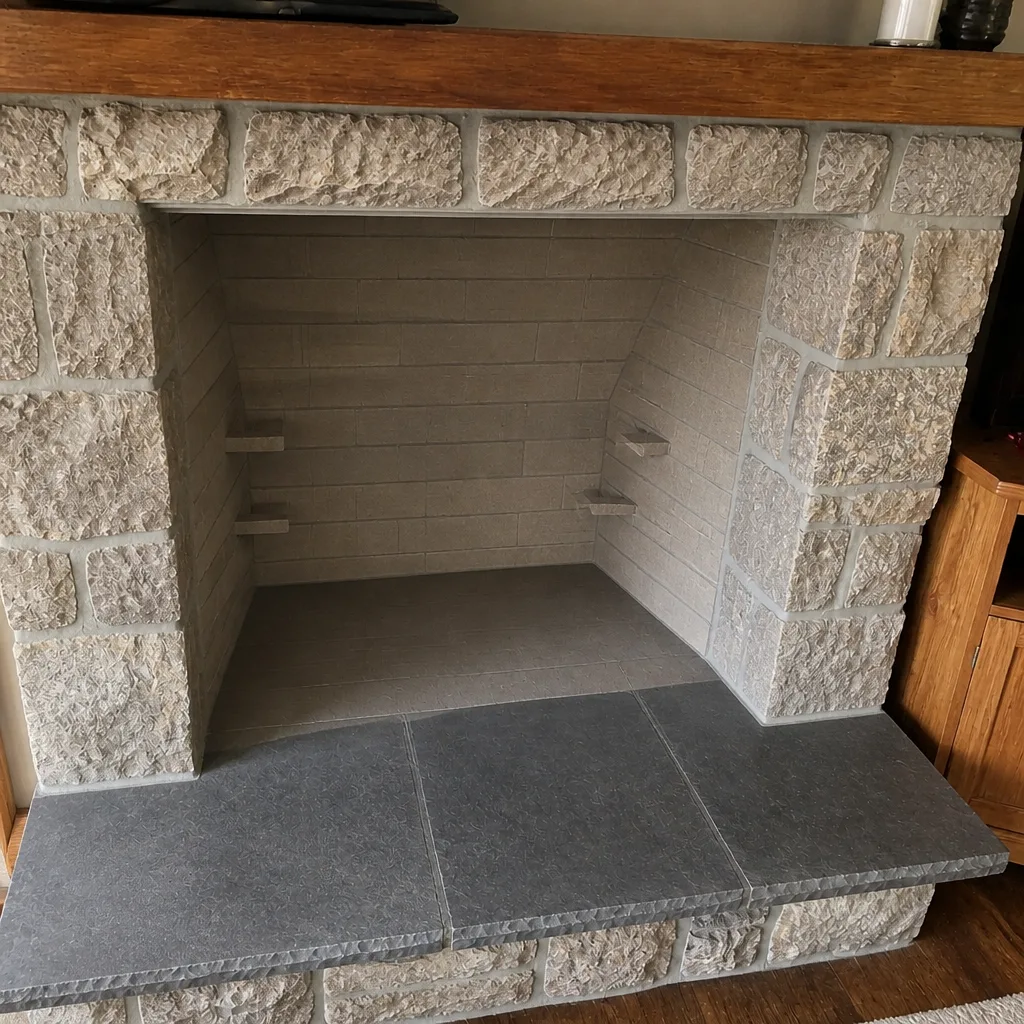
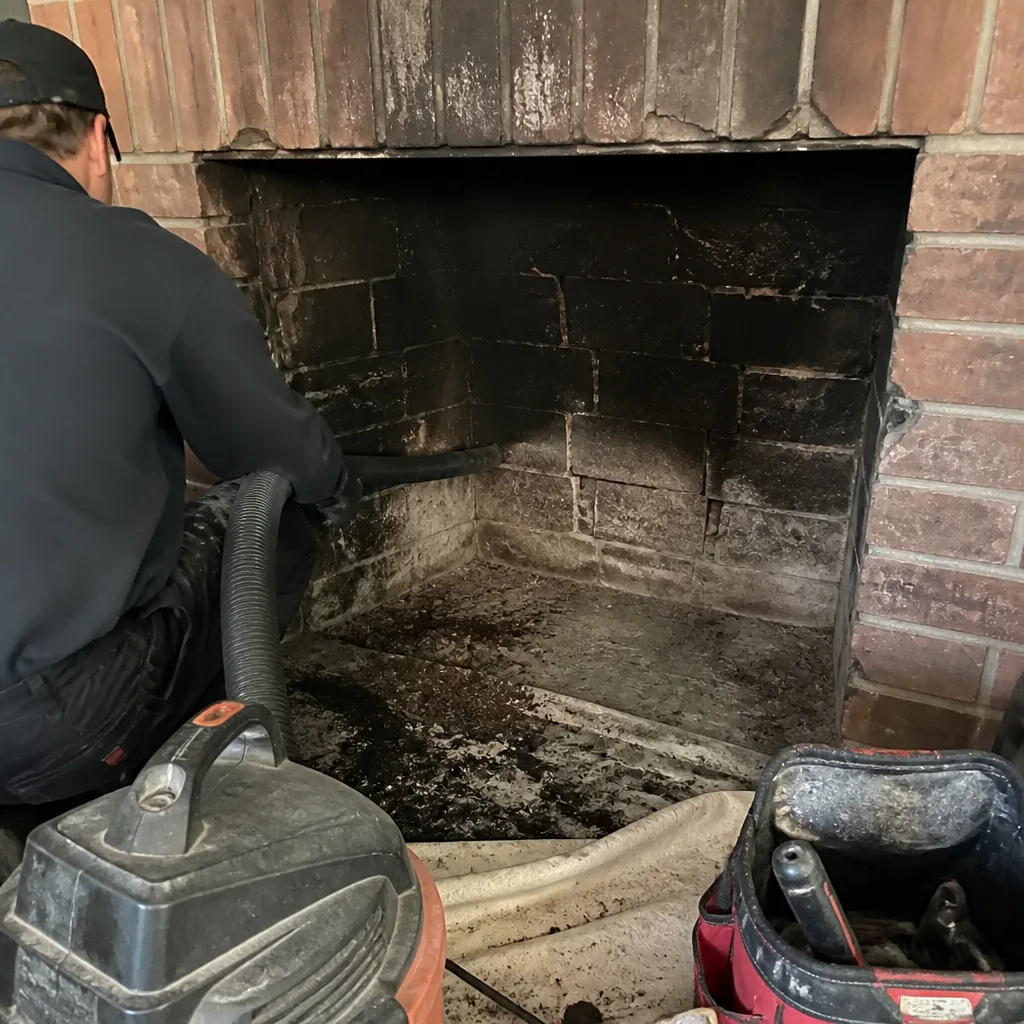
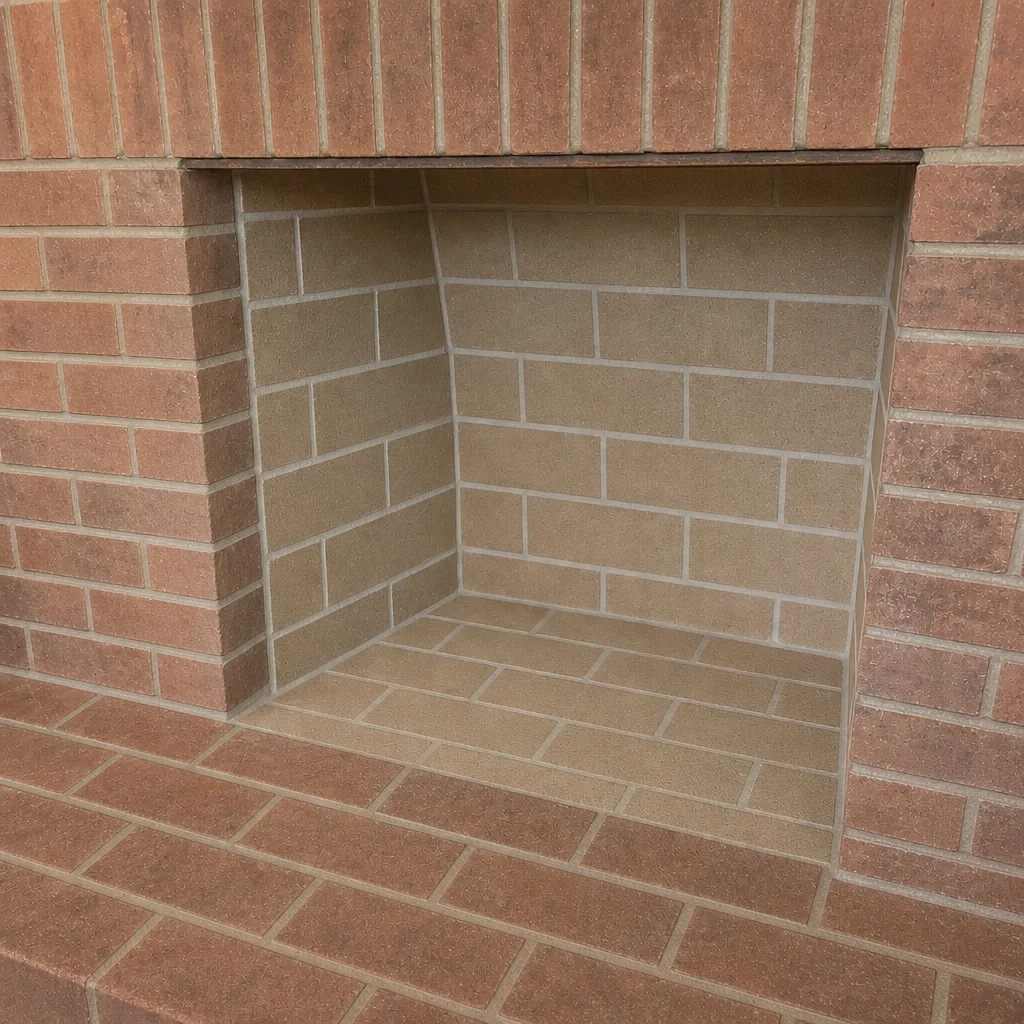
See the difference
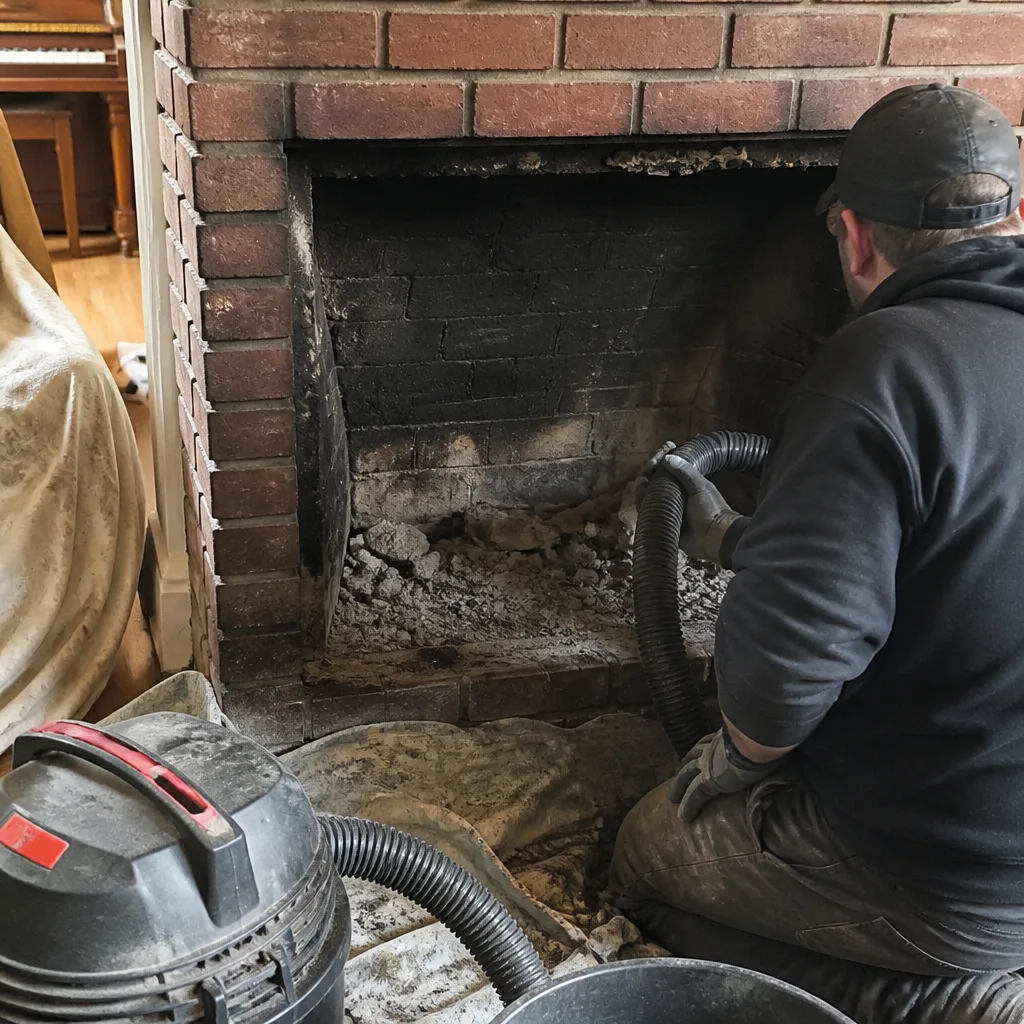 Before
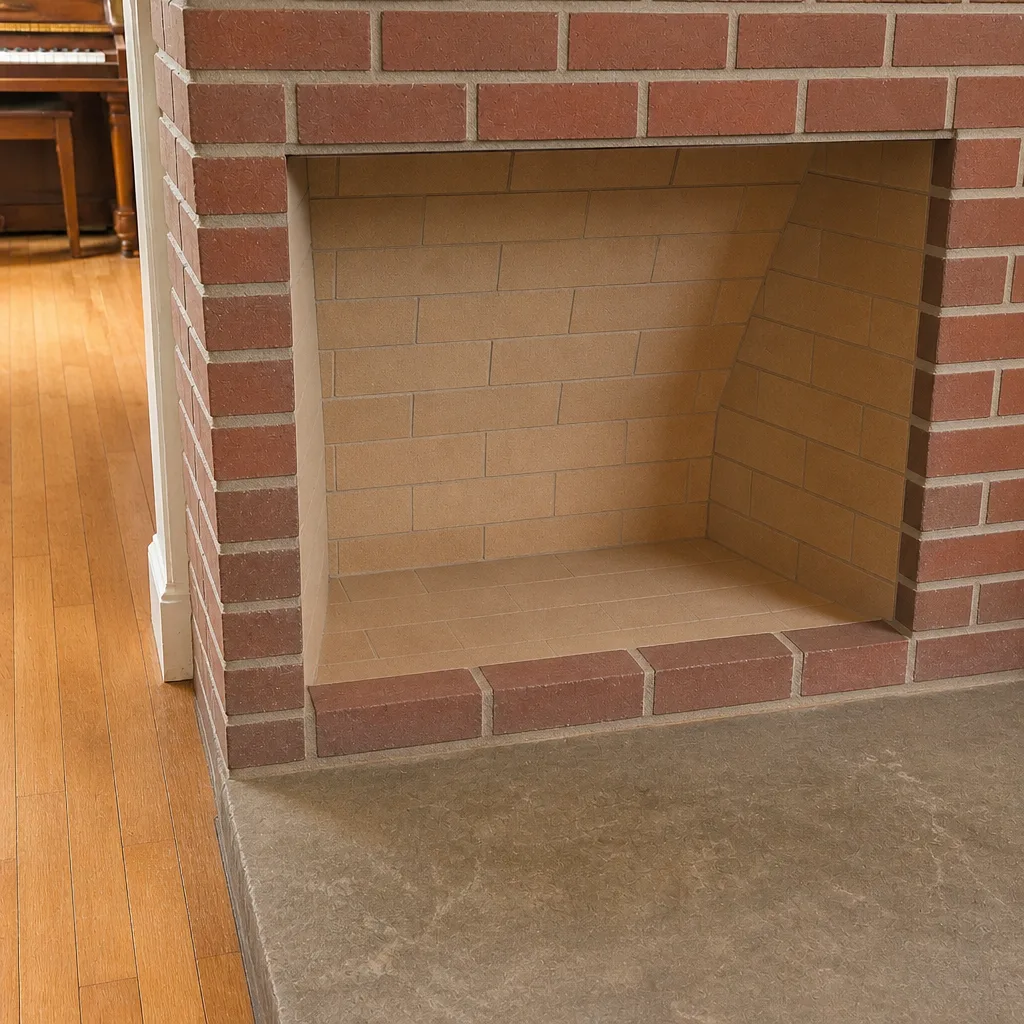 After
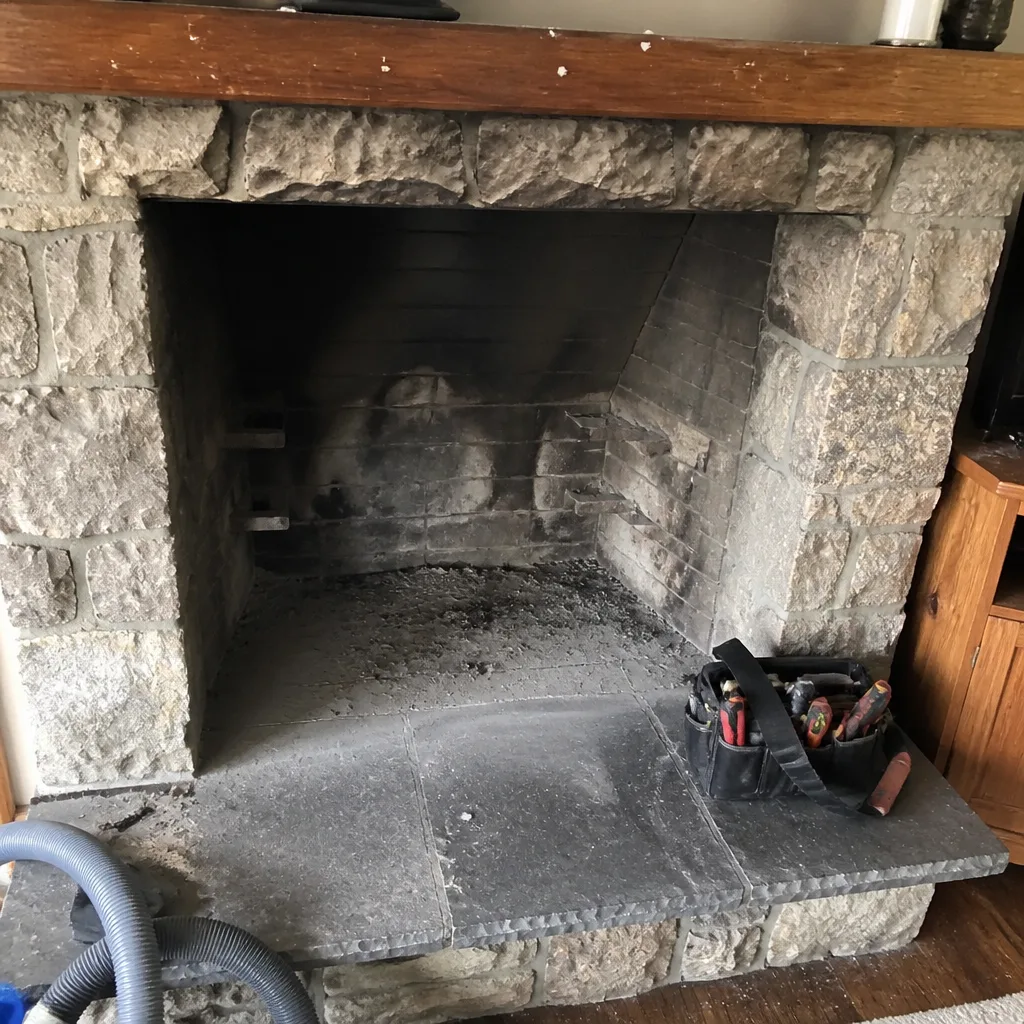 Before
 After
 Before
 After
When to Call a Professional
Some problems belong in a professional’s hands, and a few are urgent. Call us if smoke rolls back into the room even after you’ve tried warming the flue, if you smell a sharp tarry odor that lingers after the fire is out, if you find crumbling or powdery mortar on the stack, or if you see dark damp staining on the outside or higher up on an inside wall. A cold fireplace that feels drafty after the damper test, or a damper that won’t seal anywhere you test it, is also worth a look. And if a chimney fire has happened, or the flue looks glazed and shiny, that requires a proper inspection before the next fire.
Chimney Sweep Ravenna is a chimney-only specialist, so inspection findings and repair work come from the same crew. We offer free estimates in Ravenna. Call (855) 550-7534. We answer 24/7. Fast dispatch from 7am to 7pm, Sunday through Friday. Our technicians have up to 10 years of experience.
Frequently Asked Questions
A backdraft is a pressure problem and a blockage is a physical restriction, and you can usually tell them apart at home. If smoke drafts up when you crack a nearby window, or if it only rolls back when an exhaust fan is running, you’re looking at negative pressure. If smoke is persistent and the flue looks visibly obstructed or heavily coated, suspect a blockage. A camera inspection settles it for certain, and it’s the only way to see what’s inside the flue. Call (855) 550-7534 for a free estimate and we’ll diagnose the real cause instead of guessing.
Stage 1 smells like a strong campfire when the fireplace is cold, and it’s soft and flaky. Stage 2 smells sharper and more acrid – a tarry, chemical odor that lingers after the fire is out and doesn’t fade. Stage 1 is routine maintenance; Stage 2 means the deposits have started baking on and need a closer look. Stage 3 is glazed and hard and is a fire risk. If the smell is sharp and lingering, that’s a sign to get an inspection, not just a sweep. Call (855) 550-7534 for an exact quote – estimates are free.
We don’t quote prices over the phone because the right price depends on what the sweep finds, and estimates are free. The written estimate sets the price per job, and there are no fees added on. What matters more than the number is whether the sweep includes an inspection and a photo report – that’s what tells you whether you need routine cleaning or a repair. Schedule a free estimate and we’ll look before we quote. Call (855) 550-7534 for an exact quote – estimates are free.
Not necessarily. If the original clay tiles are still structurally sound and the failure is at the surface, a HeatShield ceramic resurfacing restores the flue without removing the tiles. A full DuraFlex liner replacement is right when the original flue has collapsed, has large gaps or is discontinued. The decision hinges on what the camera shows, and you should see that footage yourself. Nothing is recommended without camera evidence you can see, and we’ll say plainly when work can safely wait. Call (855) 550-7534 for a free estimate.
Sweep when deposits warrant it, not on a fixed calendar. In Ravenna’s damp climate, burning wet or unseasoned wood and running cool fires builds creosote faster, so a sweep before the burning season starts is a sensible habit. If you burn often or see soft deposits or smell strong creosote, check sooner. The smell and appearance tell you more than a date. Book a sweep and inspection to see exactly where you stand. Call (855) 550-7534 for a free estimate.
Two real risks. Creosote that reaches a higher stage ignites at a lower temperature and can cause a chimney fire. Separately, water getting into a cracked crown or failing mortar works into the structure, and in Ravenna’s wet climate that damage compounds. Neither is a scare tactic – they’re the two things we see most, and both are far cheaper to prevent than to fix after. An inspection with a photo report tells you the risk level directly. Call (855) 550-7534 for an exact quote – estimates are free.
The Bottom Line
The symptom you notice first is usually not the cause. A smoky room can be a pressure problem or a blockage. A cold draft can be a damper seal, a failed liner or the house itself. A crumbling joint can be staining or spalling. The five root causes behind almost every chimney problem in Ravenna are draft, blockage, creosote, water damage and a failed liner, and each has a different fix. Get the diagnosis right before you book anything, use the dollar bill test and the smell test at home to narrow it down, and insist on seeing a camera inspection and photo report before agreeing to a repair. HeatShield restores a sound liner; DuraFlex replaces one beyond saving. The written estimate sets the price, and we’ll tell you when work can safely wait.
Chimney Sweep Ravenna handles the full spectrum – sweep, inspection, cap and crown, and structural repair – so the findings and the work come from the same crew. Call (855) 550-7534 for a free estimate. We answer 24/7. Fast dispatch from 7am to 7pm, Sunday through Friday.
Written by the team at Chimney Sweep Ravenna.