
Last updated November 25, 2026
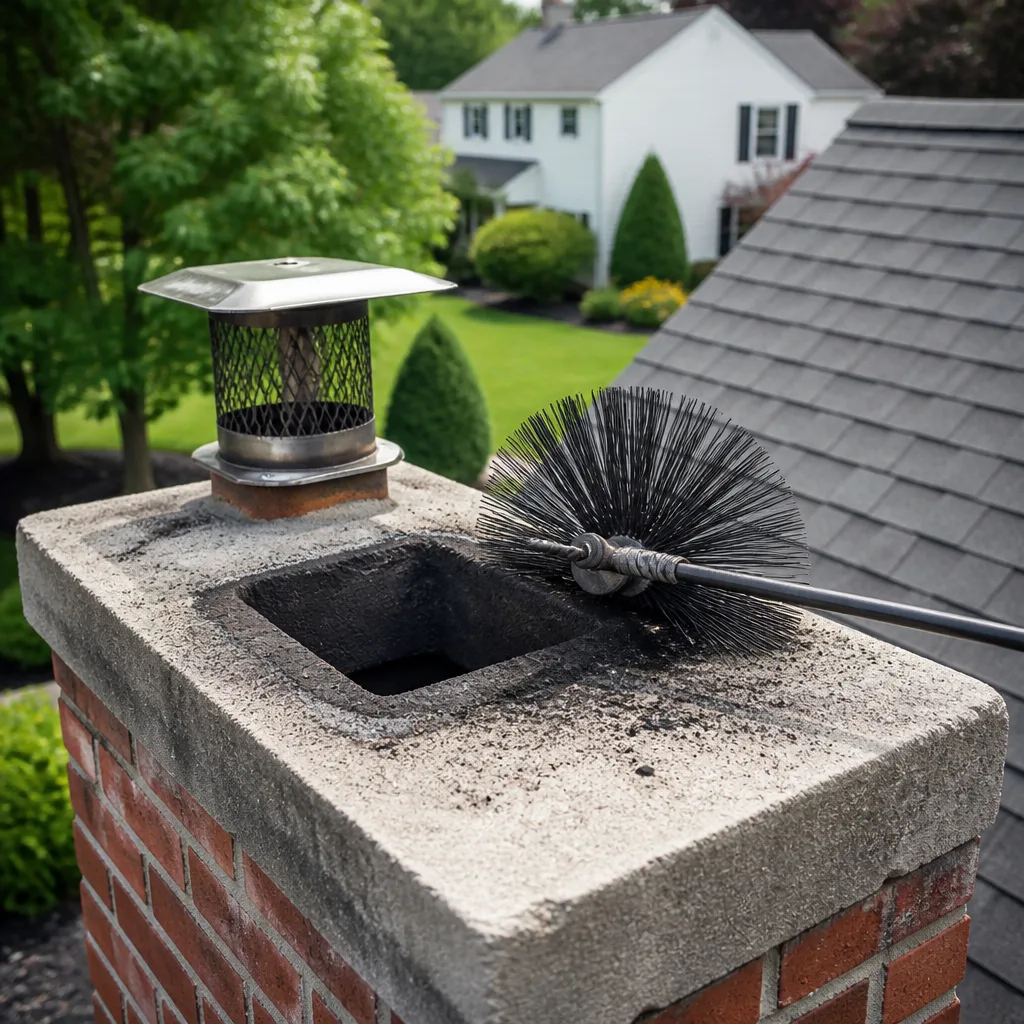 Sweep & inspection
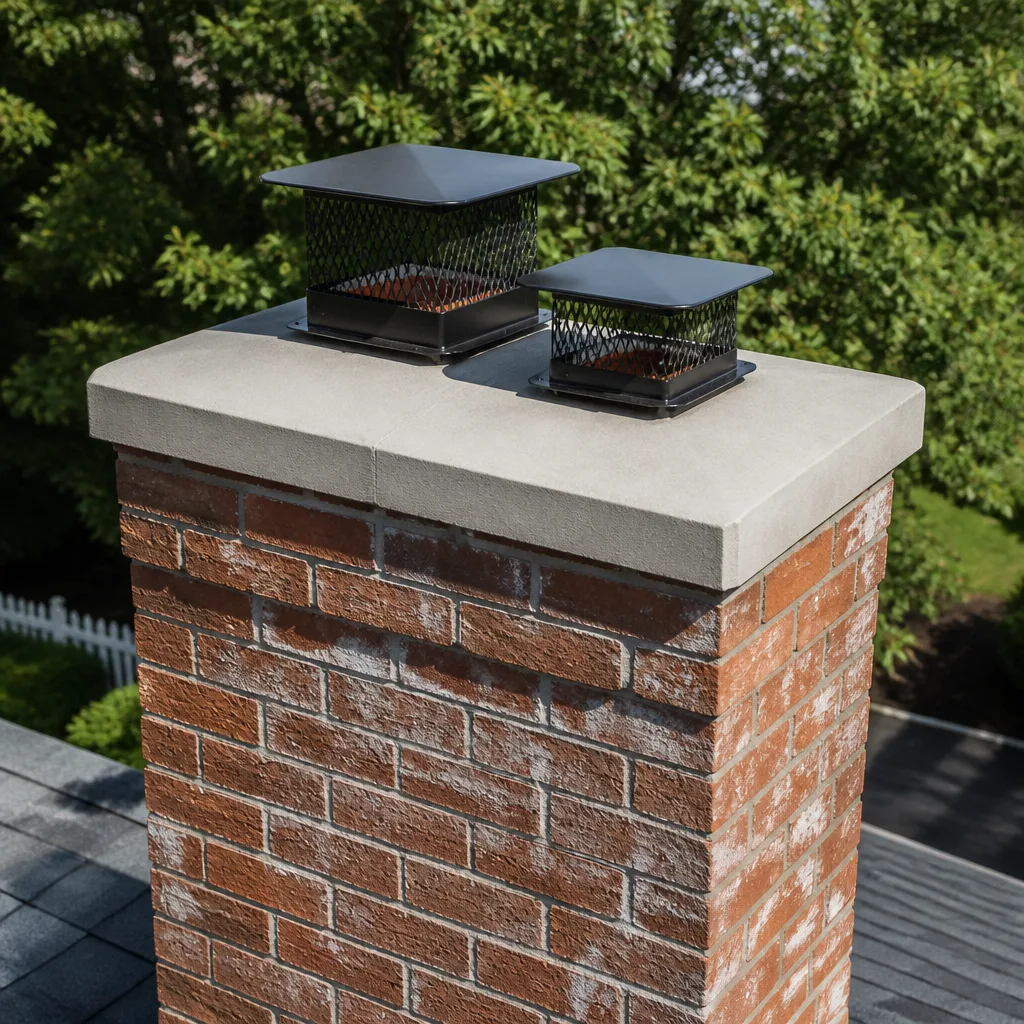 Caps & crowns
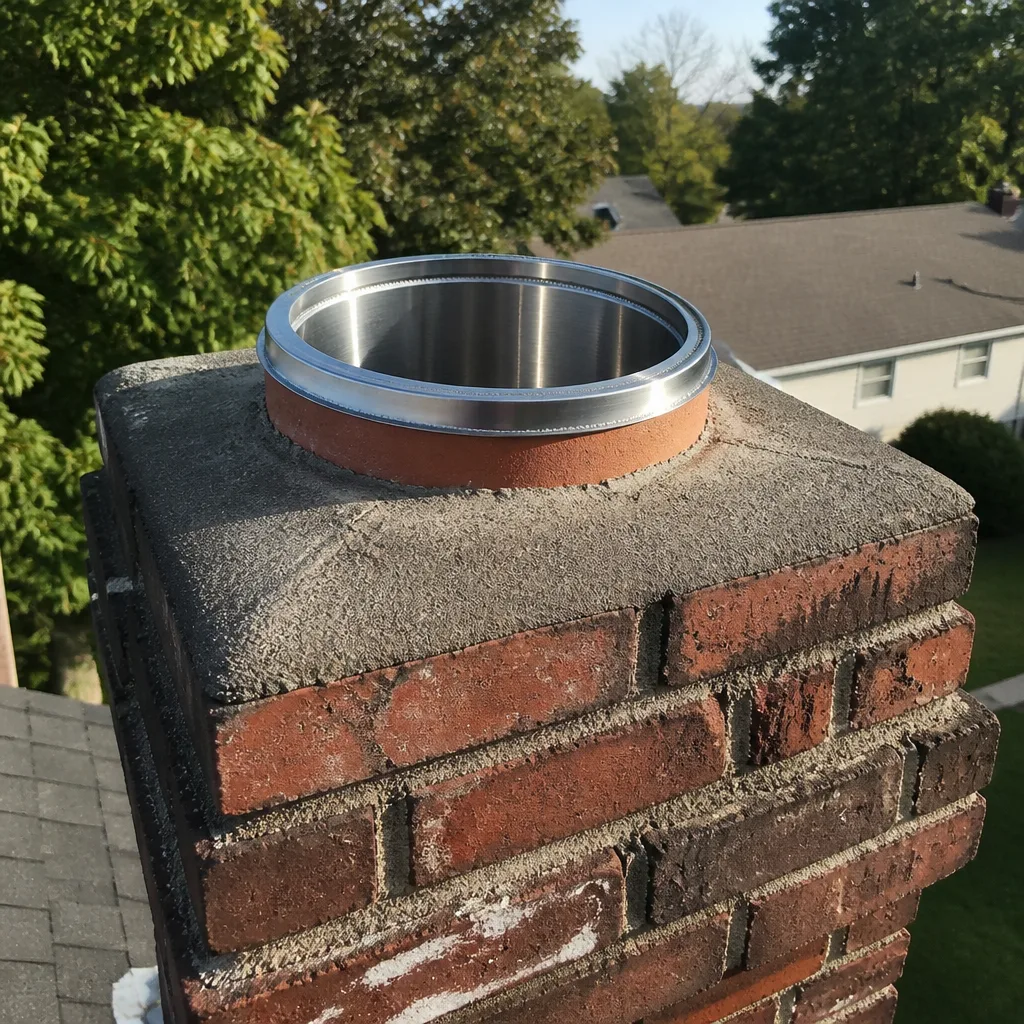 Flue relining
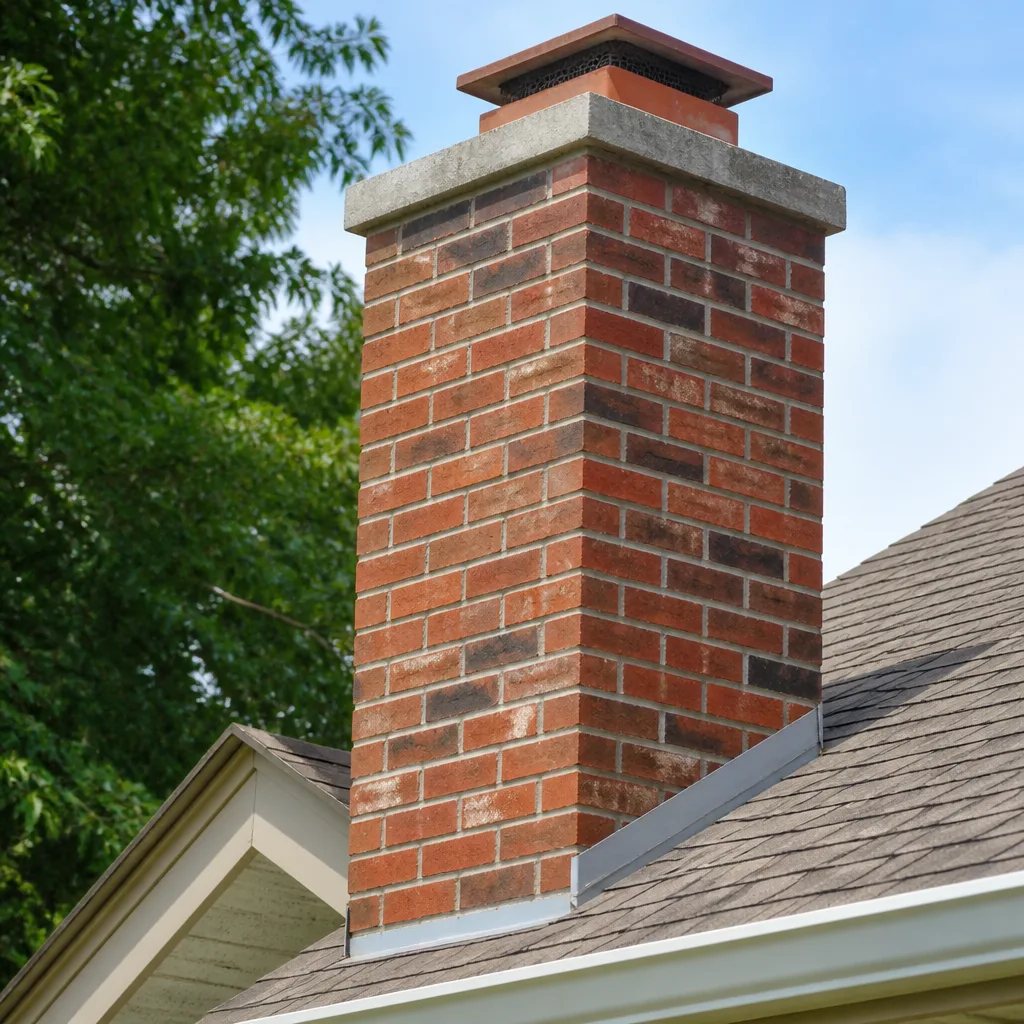 Masonry repair
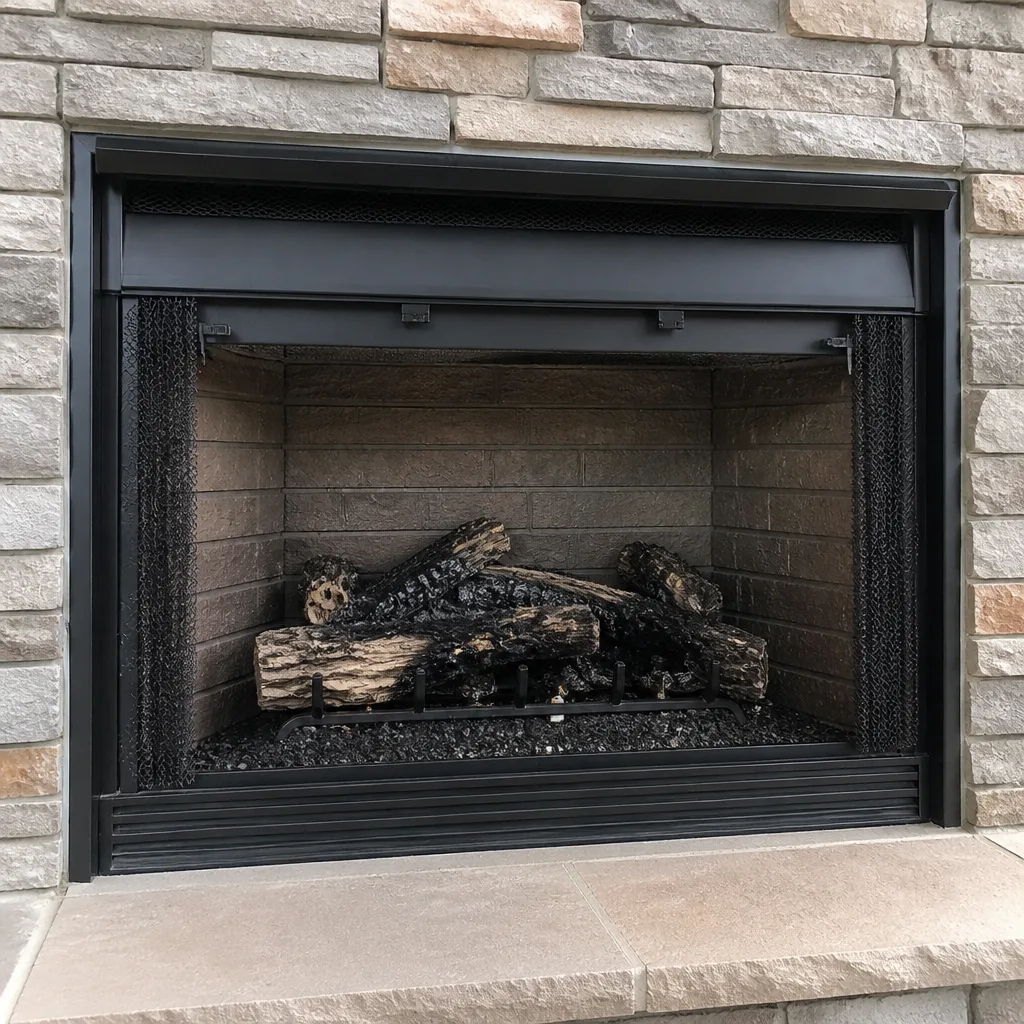 Gas fireplace service
Level 1 sweep and inspection to the NFPA 211 annual standard - flue, crown, cap, and flashing checked and photographed
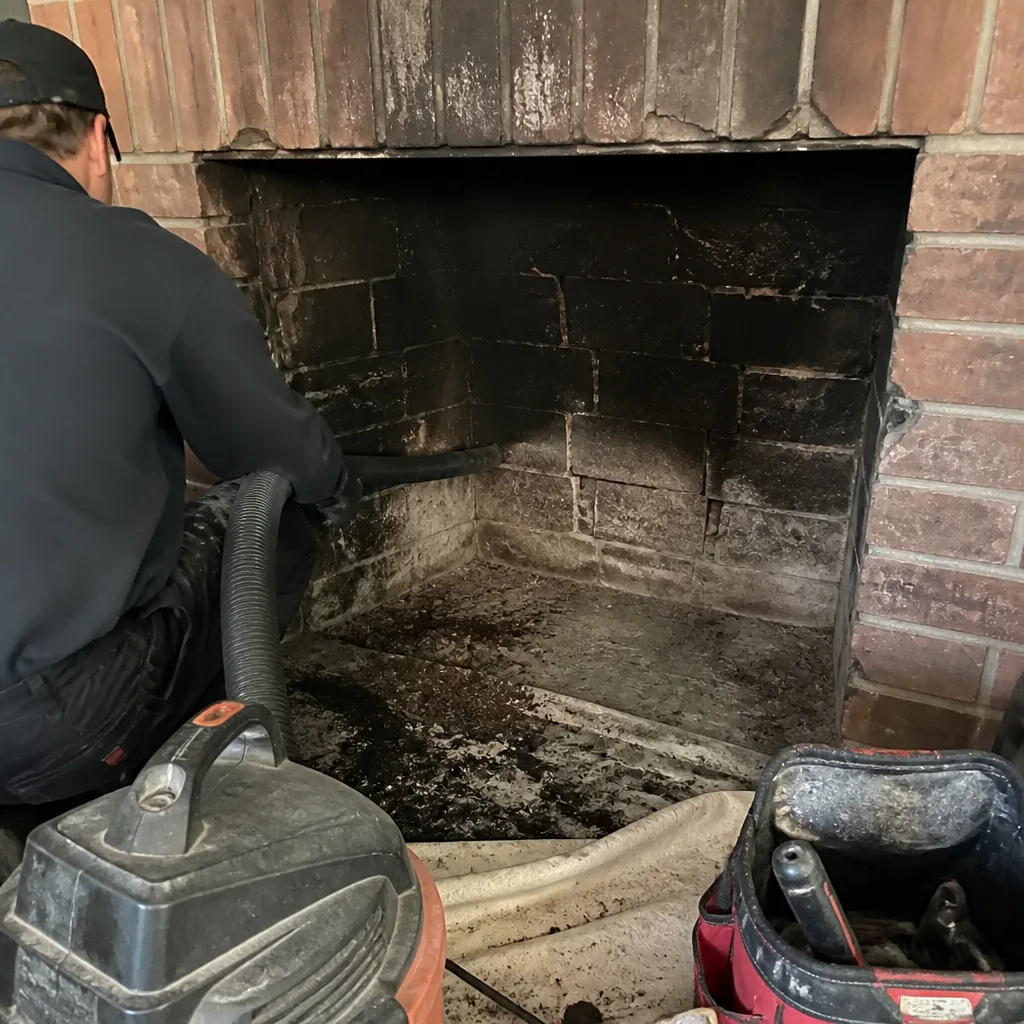
Chimney sweep logs do not sweep chimneys. They loosen some creosote - which then falls where a brush and vacuum still have to collect it.
Chimney Cleaning Emergency Preparedness Guide for Ravenna Homes
If you hear a low roar coming from your fireplace on a cold night and the flue suddenly runs very hot, you may have a chimney fire in progress. The worst thing you can do is open the damper to check. That single reflex feeds fresh oxygen to a fire that is already burning inside the flue, and it can turn a contained event into a structural one. Most homeowners have never been told this. They picture a chimney fire as something visible and dramatic. In reality it’s often quiet, brief, and over before anyone thinks to call. What follows is a clear action protocol for the three chimney emergencies Ravenna homeowners actually face: an active flue fire, a carbon monoxide event, and a sudden blockage during a burn. Read it once now, before you need it.
Quick Answer
A chimney emergency is handled in this order: get everyone out, call 911 for any active flue fire or suspected carbon monoxide event, and never open the damper or pour water into a hot flue. Once the fire department clears the scene, the chimney cannot be used again until a Level 2 inspection with a camera confirms the flue is intact. Our technicians have up to 10 years of experience with these post-incident evaluations, and we can walk you through what to do by phone at (855) 550-7534. We answer 24/7.
Styles & brands we work with
- Sweep & inspection
- Caps & crowns
- Flue relining
- Masonry repair
- Gas fireplace service
Table of Contents
- What to do first in an active chimney fire
- Carbon monoxide: chimney draft failure vs. appliance malfunction
- Sudden blockage during an active fire
- After the fire: why a surviving chimney can’t be reused yet
- The pre-season emergency kit for Ravenna homes
- Prevention: what a proper sweep actually catches
- Common mistakes to avoid
- When to call a professional
What to Do First in an Active Chimney Fire
Chimney fires don’t all look the same. Some announce themselves with a roaring sound like a freight train. Others are a low rumble you might mistake for wind. The signs you’re watching for are heat and sound together: a flue that suddenly runs very hot, a deep roaring or popping noise, a smell of hot creosote, or puffs of dark smoke escaping joints in the masonry or at the top of the chimney. If you see glowing or discoloration on the outside of the chimney, the fire has reached a temperature that can damage the structure.
Here is the protocol. Follow it in this order:
- Get everyone out of the house. Including pets. Don’t stop to gather belongings.
- Call 911. Tell the dispatcher you have a chimney fire in progress. Even if the fire seems to have died down, call. Chimney fires can reignite in the flue.
- Close the glass doors or fireplace screen. If you have a fireplace insert with a door, close it. This limits oxygen to the firebox without opening anything.
- Do not open the damper. This is the single most important “don’t.” An open damper feeds air up the flue and can accelerate the fire.
- Do not pour water on the fire. Water on a fire that hot can crack masonry or a clay tile liner, and the steam it produces is dangerous.
- Wait outside until the fire department arrives. They will check the roof and chimney for heat and extension.
If the fire is small and confined and you have a chimney fire suppressant product on hand, some departments advise using it, but your first move is always to leave and call. Don’t wait to see if it goes out. A fire that seems extinguished can still be smoldering in creosote deposits high in the flue. Ravenna’s cold, damp winters mean fireplaces run hard from November into March, and creosote builds faster in a heavily used flue than most people realize. That’s the fuel a chimney fire feeds on.
Carbon Monoxide: Chimney Draft Failure vs. Appliance Malfunction
Carbon monoxide from a chimney problem usually comes from one of two sources, and they behave differently in the house. The first is draft failure: the chimney isn’t pulling combustion gases up and out, so they spill back into the room. The second is an appliance malfunction: a furnace, water heater, or gas fireplace that’s producing too much CO because something inside it is failing. Knowing which is more likely helps you and the technician move faster, but the immediate response is the same: get out and call for help.
Draft failure tends to show up near the firebox or appliance first. You might notice:
- Smoke or a faint haze rolling back into the room when the fire is lit
- A smell of exhaust in the room, not just at the ceiling
- A CO detector placed low, near the hearth, alarming before a ceiling unit does
- Headaches or drowsiness that ease when you step outside and return when you come back in
That last point matters. Carbon monoxide is slightly lighter than air, but in a room with poor air circulation and a cold chimney, it doesn’t always rise straight to the ceiling. A detector mounted at normal ceiling height can lag behind a unit sitting closer to the firebox. If you have gas appliances, place a CO detector in the same room as the fireplace or furnace, at roughly knee-to-waist height, and keep a second unit near sleeping areas. The one near the source catches a draft failure sooner.
Draft failure reasons we see include a blocked or partially blocked flue, a chimney that’s too cold to establish draft on a mild day, a negative-pressure problem pulling air down the chimney, or a damaged liner allowing gases to leak into the house. A failing appliance usually gives you other clues: a pilot light that keeps going out, soot around the burner, or a flame that looks unusually yellow. If you smell gas, that’s a different emergency. Leave the house and call your gas utility from outside. Don’t flip switches on your way out.
Sudden Blockage During an Active Fire
A chimney that was drafting fine an hour ago can clog in the middle of a burn. Bird nests, leaf debris, a collapsed clay tile, or a heavy accumulation of creosote that softens and sags can all narrow or block the flue. When that happens during an active fire, the smoke has nowhere to go but back into the room.
The signals are hard to miss:
- Heavy smoke rolling out of the firebox, not just a little spill when you open the door
- A sudden change in smell, from wood smoke to something sharper or more acrid
- The fire burning poorly, or flames that seem to be starved of air
- Soot or ash falling into the fireplace
- A smell of smoke in rooms that aren’t near the fireplace
If smoke rollback starts, don’t add wood and don’t try to force more air into the firebox by opening windows near the hearth, which can worsen a pressure problem. Let the fire burn down if you safely can, and call us. If the smoke is heavy, the alarms sound, or anyone has trouble breathing, leave the house and call 911. A blocked flue during a burn is a CO risk as much as a smoke risk, because the combustion gases are going into the room instead of up the chimney.
One thing we tell Ravenna homeowners: a blockage that shows up mid-winter almost always started forming in fall. Cap screens loosen, debris settles, and the problem stays invisible until the flue is under load. That’s why a pre-season sweep and a camera inspection before the first cold snap are worth more than any emergency response. If you haven’t had the chimney looked at this season, book a chimney sweep before your first burn, not after.
After the Fire: Why a Surviving Chimney Can’t Be Reused Yet
A chimney that “survived” a flue fire is not cleared for use. The heat inside a chimney fire can warp a stainless liner, crack a clay tile, or open gaps at joints that don’t show up from the firebox. What often looks fine from the bottom is distorted a few feet up. That’s why the next step is always a Level 2 inspection with a camera, not a visual check with a flashlight.
Here’s what a technician looks for after an incident:
- Liner distortion. A DuraFlex stainless liner that got too hot can warp or kink. The camera will show a section that’s no longer round or an offset at a joint. That’s a fail, and the liner needs replacing.
- Cracked tile joints. Clay tile liners crack at the mortar joints first. A hairline gap is enough to let gases into the framing.
- Creosote glazing. The fire may have left a glazed, hardened layer on the flue walls that needs mechanical removal before the chimney can be used again.
- Crown and cap damage. Heat and the fire department’s water can crack a crown or loosen a cap. Both need to be checked and repaired as part of the clearance.
We can restore a damaged flue with HeatShield liner restoration in many cases, which is a product only qualified chimney professionals install, or reline with DuraFlex when the existing liner is beyond repair. The point is that the chimney gets a documented verdict before anyone lights another fire. If your post-incident chimney needs a chimney cap & crown repair or a reline, we handle the inspection and the repair with the same crew, so the findings and the fix stay with one team.
Don’t let anyone relight a chimney after a fire until you have the camera report in hand. If a technician can’t show you the footage, the chimney hasn’t really been cleared.
The Pre-Season Emergency Kit for Ravenna Homes
The best time to prepare for a chimney emergency is before the season starts. In Ravenna, that means late summer or early fall, before the first sustained cold and before you build the season’s first fire. Put together a small kit and keep it where you can reach it without thinking.
What belongs in it:
- A chimney fire suppressant. A dry chemical product designed for chimney fires, kept near the fireplace. Read the label before you need it, so you know how it’s used.
- One in the room with the fireplace or appliance, mounted lower than ceiling height, and one near each sleeping area. Test them when you set the clocks.
- A working fire extinguisher. Rated for the fire types in your home, and mounted where you can grab it from the main living area.
- A flashlight and a phone charger kept together, in case the power goes out during an incident.
- Our number, (855) 550-7534, written down and saved in your phone, along with your fire department’s non-emergency line.
- The date of your last sweep and inspection, noted on the fireplace or in your phone. You’ll want it when you call.
If you have a wood-burning insert, add a pair of heat-resistant gloves to the kit. If you use a gas fireplace, add the model information for the appliance so you can give it to a technician. And if you’re not sure when the chimney was last cleaned, that goes on the list too. A gas appliance still needs venting checked. We handle both masonry and prefabricated systems, so the kit conversation is the same regardless of what’s in your fireplace.
Prevention: What a Proper Sweep Actually Catches
Most chimney emergencies start as small conditions nobody noticed. A sweep is where those conditions get found. But a sweep is also a natural moment to catch cap and crown problems before they turn into water intrusion, which in Ravenna’s wet winters is a real concern. Rain that gets past a failed crown or a missing cap soaks into masonry, freezes, and spalls the brick from the inside out. That damage is slow, quiet, and expensive to reverse.
What a good sweep and inspection covers:
- The firebox and damper, checked for cracks and operation
- The flue, swept and then examined with a camera
- Creosote levels and glazing, measured rather than eyeballed
- The cap and screen, checked for damage and debris
- The crown, checked for cracks and proper slope
- The exterior, checked for damaged flashing and masonry
Our technicians use professional-grade brands for any repair that follows: DuraFlex for stainless relining, HeatShield for liner restoration, and Copperfield and Famco for caps and venting components. That matters because the repair is only as good as the material. A cap that fails in two winters costs more than one that holds. For fireplace repairs beyond the chimney itself, we handle fireplace repair with the same specialist approach.
In our experience, the homeowners who never have an emergency are the ones who book a sweep every year before the season and keep the inspection report. They know what’s in their flue. When something changes, they notice.
Common Mistakes to Avoid
- Opening the damper during a chimney fire. It feels like the right move because you want to “let the smoke out.” It feeds oxygen to the fire instead. Leave the damper alone and get out.
- Pouring water down a hot flue. The temperature shock can crack tile or masonry liner, and the resulting steam is dangerous. Let the fire department handle it.
- Assuming a quiet fire is a small fire. Some chimney fires are over in minutes and never make a sound you’d recognize. If you saw or heard anything unusual, call for an inspection, not just a sweep.
- Relighting the fireplace after a flue fire without a camera inspection. The chimney can look fine and still have a warped liner or open joint above the firebox. Get the camera report first.
- Putting the CO detector only at ceiling height. A unit near the firebox catches a draft failure sooner than a ceiling unit in a different room. Place one low, in the room with the source.
- Skipping the sweep because you burned “clean” wood. Seasoned wood cuts creosote, it doesn’t eliminate it. A Ravenna winter of heavy burning will still deposit enough to matter.
- Letting a generalist handle chimney repair. Chimney work involves specific products and venting knowledge. A general contractor who does chimney work on the side may not have the liner or venting experience a specialist does.
When to Call a Professional
Call a professional now, before a fire, if any of these are true: you’ve never had the chimney inspected, you hear a roar or popping during a burn, you smell exhaust indoors, your CO detector has gone off, or the chimney has survived a flue fire and hasn’t been camera-inspected. Also call if the cap is missing or damaged, the crown is cracked, or the fireplace smells of creosote in warm weather. Each of these is a reason to get a trained eye on the flue rather than wait for the next cold night. Our technicians have up to 10 years of experience diagnosing these conditions, and we’re a chimney-only specialist, so nothing gets handed off. Chimney Sweep Ravenna offers free estimates in Ravenna – call (855) 550-7534. We answer 24/7. Fast dispatch from 7am to 7pm, Sunday through Friday.
Frequently Asked Questions
Get everyone out of the house and call 911. Don’t open the damper, don’t pour water on the fire, and don’t wait to see if it goes out on its own. A chimney fire can reignite in creosote deposits after it appears to be gone. Once the fire department clears the scene, the chimney needs a Level 2 inspection with a camera before it can be used again. Call (855) 550-7534 and we’ll walk you through the next step.
A draft problem usually shows up as smoke or exhaust smell near the firebox and can set off a CO detector placed low in the room before a ceiling unit alarms. A furnace or appliance malfunction often comes with other signs like a pilot light that won’t stay lit or a yellow flame. Either way, the response is the same: leave the house and call for help. Once you’re safe, call (855) 550-7534 for an inspection – estimates are free.
No. A chimney that survived a flue fire has to be inspected with a camera before it’s cleared for use. Heat can warp a stainless liner or crack a clay tile joint above the firebox, and that damage isn’t visible from the hearth. A DuraFlex liner that got too hot can show distortion the camera will catch. Call (855) 550-7534 to book the inspection.
It sounds like a low roar, a rumble, or a train-like noise coming from the flue, sometimes with popping. It can also be nearly silent. Any sudden change in sound, smell, or heat during a burn is a reason to stop using the fireplace and call for an inspection. Call (855) 550-7534 – estimates are free.
Put one in the same room as the fireplace or gas appliance, at roughly knee-to-waist height, and a second near each sleeping area. A low unit near the source tends to catch a draft failure sooner than a ceiling unit in a distant room. If a detector alarms, leave the house and call 911 first, then call (855) 550-7534 for an inspection.
Once a year, and before the burning season starts if you burn regularly. In Ravenna’s long, wet winters, a fireplace that runs most evenings can build creosote fast enough to matter by late winter. A yearly sweep with a camera inspection catches blockages, cap damage, and crown cracks before they turn into a mid-winter problem. Call (855) 550-7534 to schedule.
Stop adding wood, open nothing near the firebox that could worsen a pressure problem, and let the fire burn down if it’s safe to do so. If the smoke is heavy, an alarm sounds, or anyone has trouble breathing, leave the house and call 911. A blocked flue is a CO risk, not just a smoke nuisance. Call (855) 550-7534 once you’re safe – we’ll help you sort the next step.
We handle both. Our team does the sweep, the camera inspection, and the repair, whether that’s a DuraFlex reline, HeatShield liner restoration, or cap and crown work with Copperfield or Famco components. You get one company accountable for the findings and the fix. That’s the whole reason we’re a chimney-only specialist. Call (855) 550-7534 for a free estimate.
The Bottom Line
A chimney emergency is decided in the first ninety seconds, and the protocol is simple enough to remember: get out, call 911, and don’t open the damper. After any active flue fire or CO event, the chimney stays unused until a camera inspection clears it. The rest of the work happens before the season starts – a sweep, an inspection, a CO detector placed low near the source, and a kit you can reach without thinking. In Ravenna, where fireplaces run hard through a long, wet winter, that preparation is what separates a contained incident from a ruined house. We’re here when you need us, and we’d rather catch the problem in October than hear about it in January.
Book your pre-season inspection or post-incident clearance now. Call (855) 550-7534. We answer 24/7. Fast dispatch from 7am to 7pm, Sunday through Friday. Estimates are free, and the written estimate sets the final price. Start at Chimney Sweep Ravenna to see the full range of what we do.
Written by the team at Chimney Sweep Ravenna.
See the difference
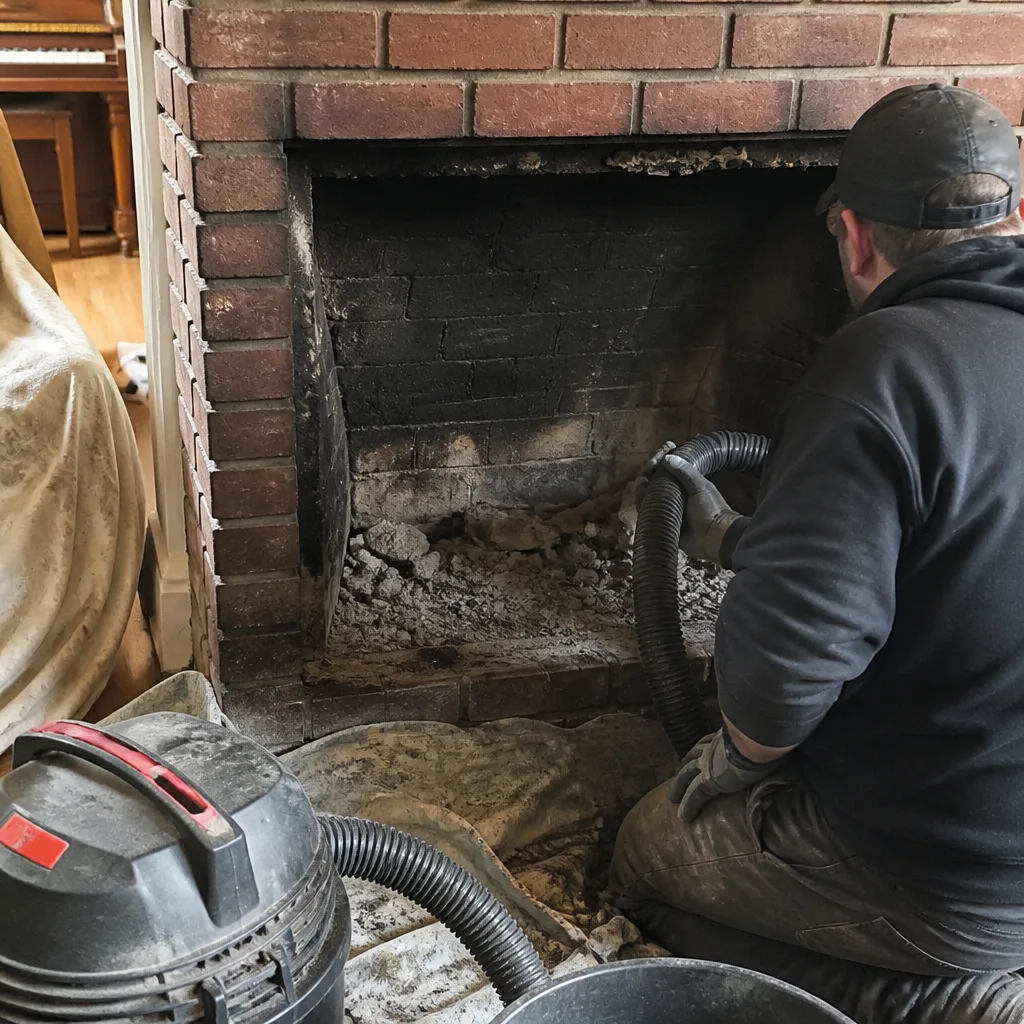 Before
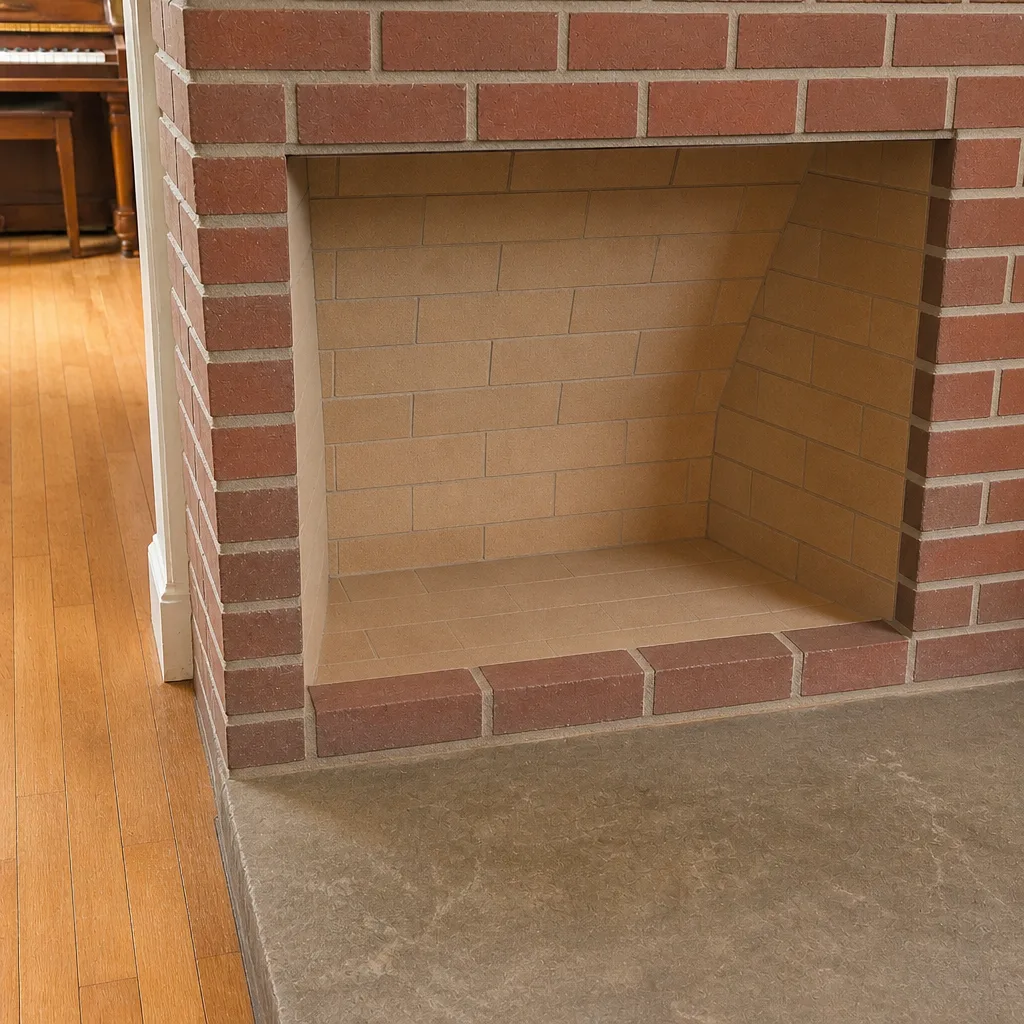 After
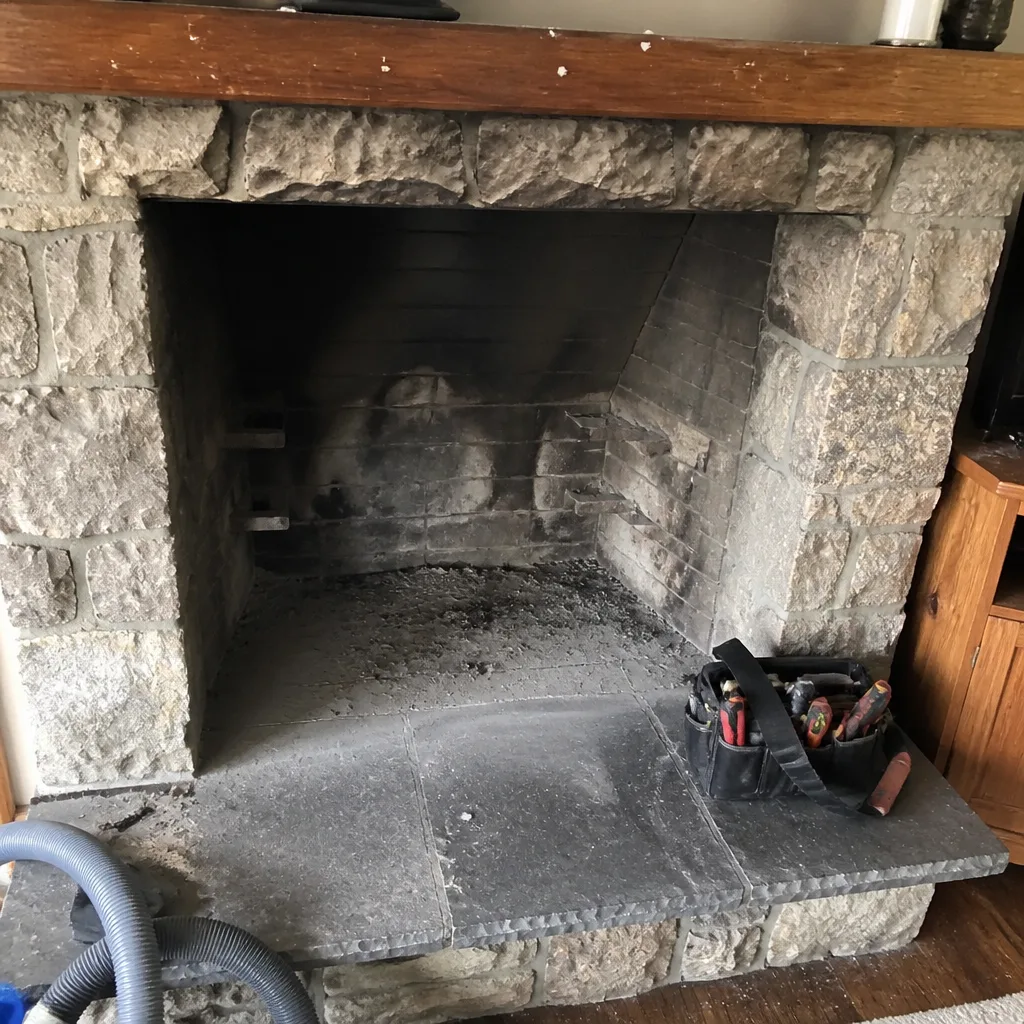 Before
 After
 Before
 After