
Last updated November 25, 2026
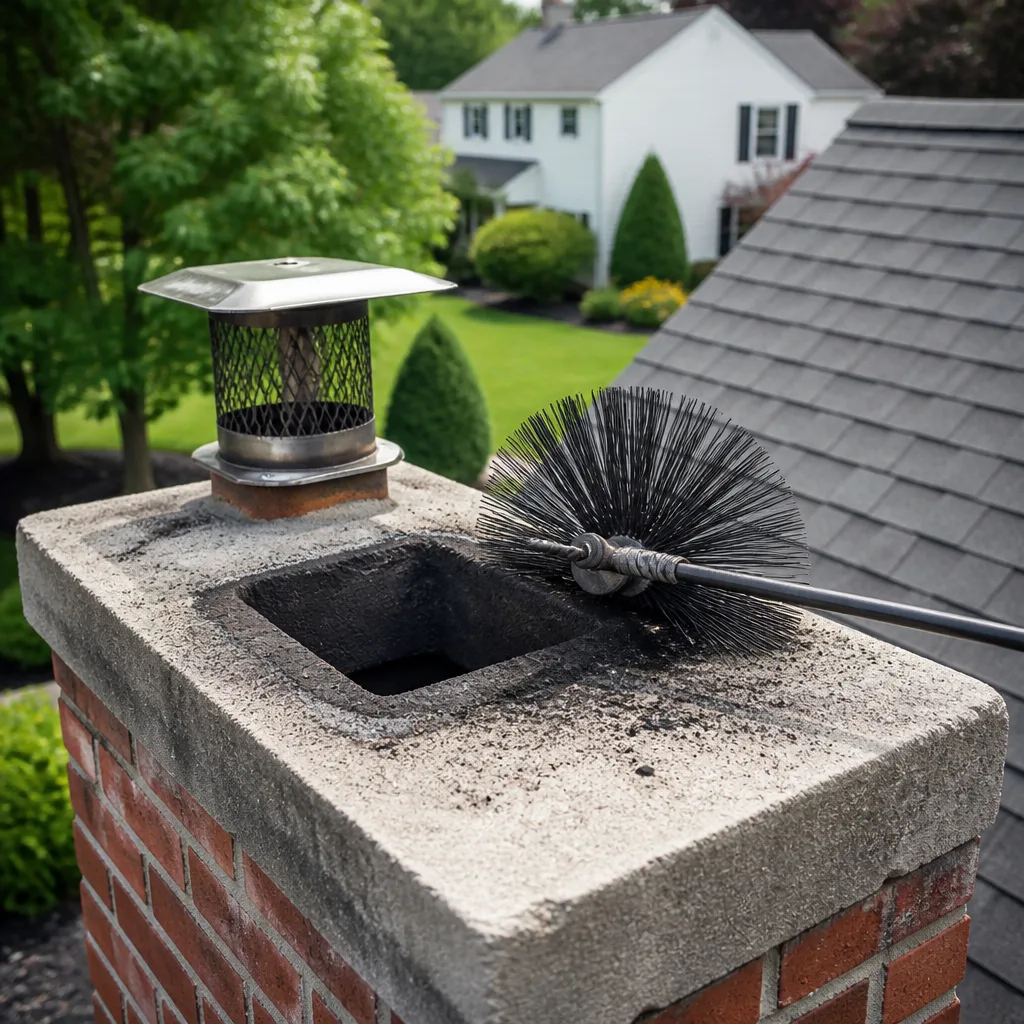 Sweep & inspection
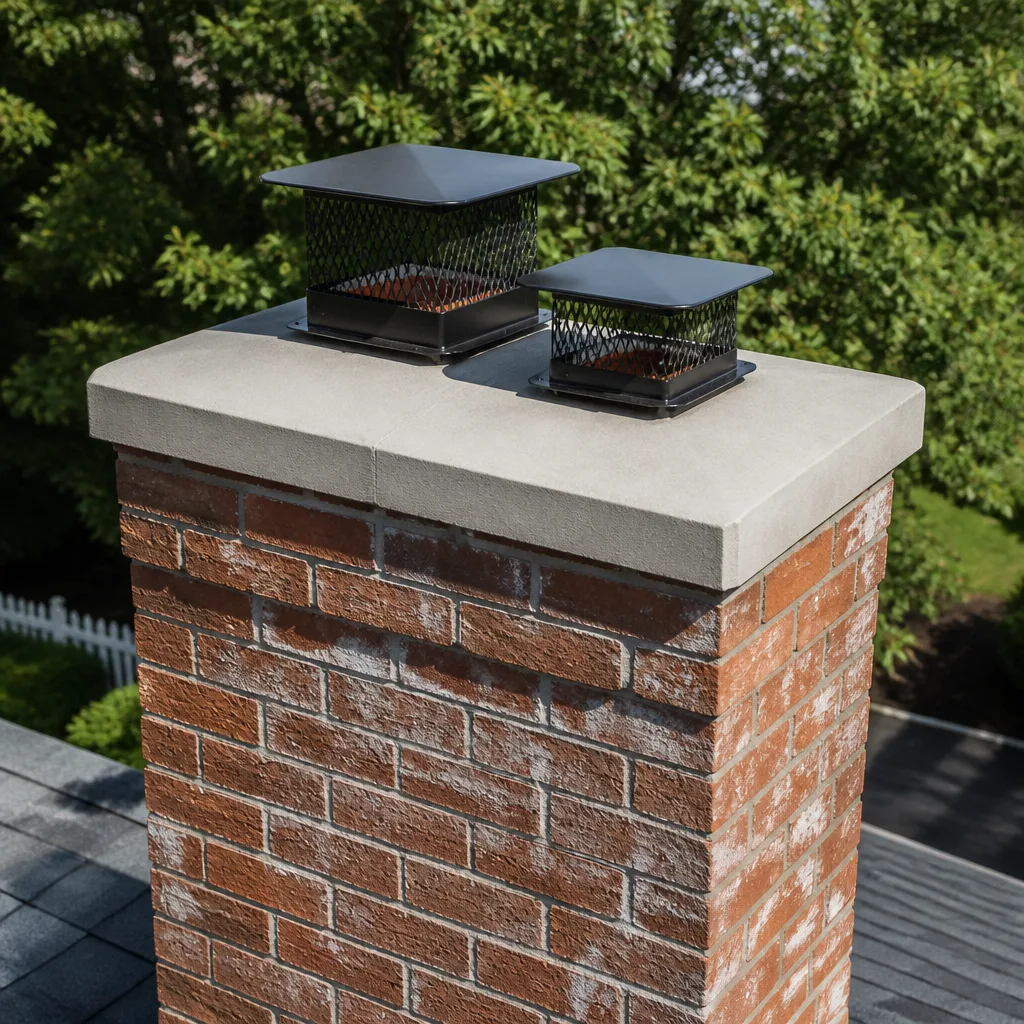 Caps & crowns
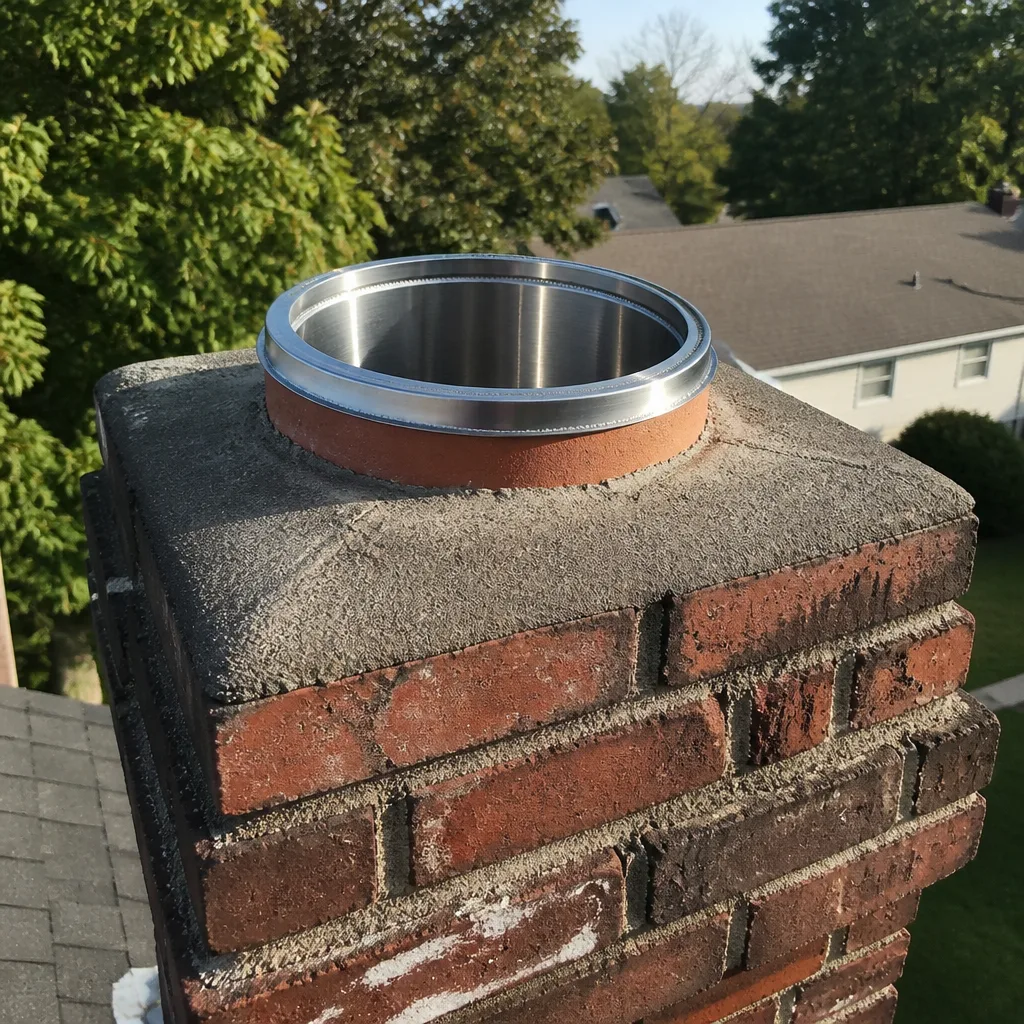 Flue relining
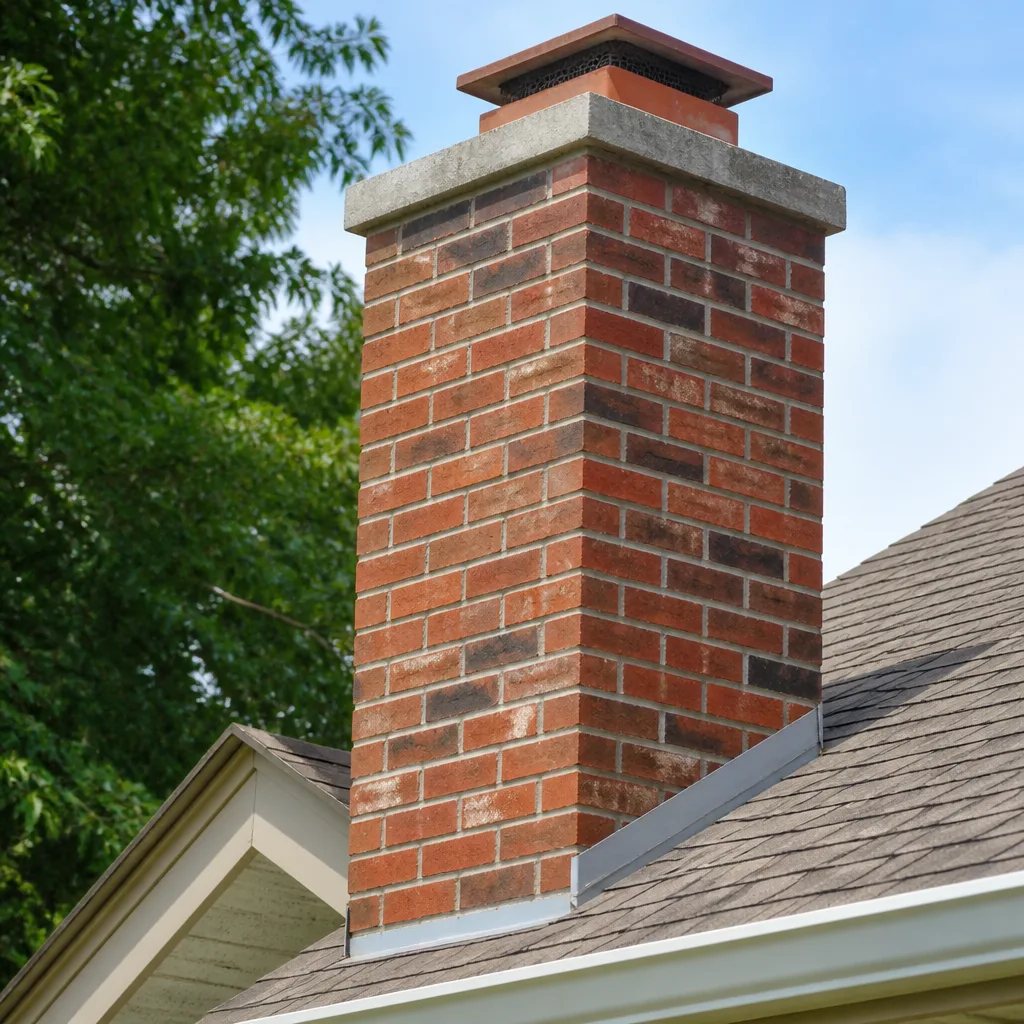 Masonry repair
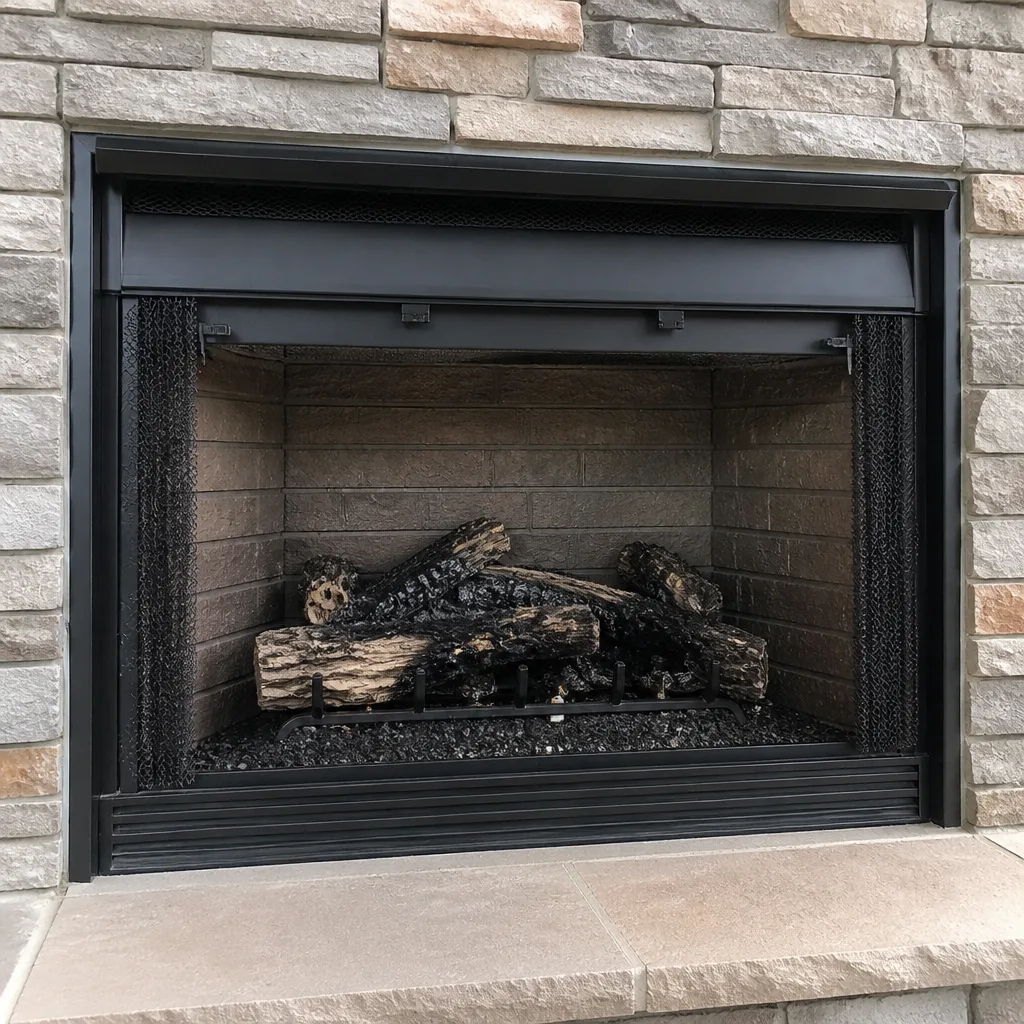 Gas fireplace service
Level 1 sweep and inspection to the NFPA 211 annual standard - flue, crown, cap, and flashing checked and photographed
Chimney sweep logs do not sweep chimneys. They loosen some creosote - which then falls where a brush and vacuum still have to collect it.
Seasonal Chimney Cleaning Care for Ravenna: Year-Round Homeowner’s Guide
Most homeowners think about the chimney twice: once when the first cold snap hits and once when spring finally arrives. That gap is where trouble builds. In Ravenna, the problems that show up as a smoky December fire often trace back to a spring or summer week when nobody was paying attention to the cap, the crown, or the moisture working its way into the masonry. This guide breaks the year into four seasons and tells you what the chimney is actually doing during each one, what to check, and when to call a specialist. You’ll learn why a post-season inspection matters more than a pre-season one, what Ravenna’s wet winters do to brick and mortar, and how to spot a draft problem mid-season before it becomes a repair.
Quick Answer
Seasonal chimney care in Ravenna runs twelve months, not just the October through March burning season. Spring is for inspection and moisture repair after winter, summer is for cap and animal-exclusion work, fall is for draft and smoke-chamber checks before the first fire, and winter is for watching for mid-season warning signs. A professional sweep and inspection at least once a year, plus a camera-based inspection if you burn often, keeps the whole system safe.
Styles & brands we work with
- Sweep & inspection
- Caps & crowns
- Flue relining
- Masonry repair
- Gas fireplace service
Table of Contents
- How Ravenna’s Climate Shapes a Chimney’s Year
- Spring: Why the Post-Season Inspection Matters Most
- Summer: Cap, Crown, and Animal Exclusion Work
- Fall: The Pre-Season Checklist Before the First Fire
- What Seasoned Wood Really Means, and Why Green Wood Costs You
- Mid-Season Warning Signs That Mean Call Now, Not in Spring
- How Often Should a Ravenna Chimney Be Swept?
- Late Winter: The End-of-Season Shutdown Routine
How Ravenna’s Climate Shapes a Chimney’s Year
Ravenna sits in a part of Washington that gets real rain, real wind off the tree canopy, and enough freeze-thaw cycling in the colder months to test every mortar joint on a masonry stack. If your chimney is on the outside of the house, that exterior face absorbs moisture for months, then dries unevenly as the season turns. If it runs up through the interior, the stresses are different but no less real: a flue that stays cool and damp in the off-season is more prone to glazed creosote the following winter.
That cycle sets the whole maintenance calendar. Here’s what the chimney is dealing with through the year in Ravenna:
- Fall and early winter: moisture from the wet season is already in the masonry before you burn the first log, and cool flues draft poorly until they warm up.
- Mid-winter: heavy firing loads, creosote accumulation peaks, and cap screens clog with soot and debris.
- Spring: residual moisture plus temperature swings stress the crown, the flashing, and any mortar joint that was marginal.
- Summer: the flue sits idle, warm, and dry, which is exactly when birds and small mammals treat it as a vacant building.
Our technicians have up to 10 years of experience watching this cycle, and the pattern is consistent: the chimneys that perform well in January are the ones that got attention in May, June, and September. There’s no shortcut around that.
Spring: Why the Post-Season Inspection Matters Most
A spring inspection catches more actual problems than a fall one, and the reason is simple: winter is when damage happens, so spring is when you can still see it. By the time fall arrives, months of rain have already worked a small crack into a bigger one and a loose cap screw into a water intrusion point. Inspecting after the burning season, not before, means you’re diagnosing the system at the moment its failures are freshest.
What a spring inspection is looking for in Ravenna:
- Creosote condition inside the flue. How much built up over the season, and whether it’s the fluffy kind or the glazed, hard kind that needs more than a brush.
- Mortar joints and brick faces on the exterior stack. Look for crumbling mortar, spalling brick faces, and white mineral staining that signals moisture moving through the masonry.
- The crown. That’s the concrete cap at the very top. A hairline crack that looks cosmetic in April becomes a channel for water by November.
- Flashing where the chimney meets the roofline. Failed flashing is one of the most common sources of hidden water damage in Ravenna homes.
- The firebox and damper. Cracks in the firebox brick and a damper that no longer seals properly both affect how the fireplace behaves next season.
Spring is also the best time for a camera inspection of the flue liner. If the liner has cracks, gaps at the joints, or damage from a chimney fire you didn’t know happened, you want to know now, not in October when you’re trying to book a sweep during the busiest month of the year. When a liner needs work, the professional-grade path is often a stainless relining with DuraFlex or a liner restoration using HeatShield, which rebuilds the existing flue from the inside rather than replacing it. Both are decisions you want time to think through, with a camera report in hand.
Summer: Cap, Crown, and Animal Exclusion Work
Summer is when the chimney becomes somebody’s nest. An open flue in a neighborhood with a mature tree canopy is a cavity a bird will find within days. Starlings, sparrows, and chimney swifts are the usual suspects around Ravenna, and once a nest is built and a bird is sitting on eggs, you legally can’t just sweep it out. That’s why the exclusion work belongs in summer, before the next nesting cycle, not in fall when you’re trying to schedule a sweep.
The fix is straightforward and it’s one of the highest-value jobs a homeowner can do:
- A properly sized cap with a spark screen. It keeps birds, squirrels, and raccoons out while letting exhaust escape freely. It also stops wind-driven rain from running straight down the flue.
- Crown repair or rebuilding. A crown that has separated from the flue or cracked through needs sealing or rebuilding. The crown is the chimney’s roof, and if it fails, everything below it stays wet.
- Animal exclusion check at the smoke shelf. If an animal has gotten in, a sweep and inspection confirms the flue is clear before the season begins.
- Cap screen condition. Stainless screens last longer than the cheap galvanized kind. Famco and Copperfield both make caps and venting components we specify for this kind of work, and the right cap for a masonry flue isn’t the same as the right cap for a prefabricated fireplace.
Caps and crowns are a big enough topic that we cover the details in our guide to chimney cap & crown, including how to size a cap correctly and what to look for when the crown needs more than a patching compound. Getting the cap right in June saves you a frantic call in October.
Fall: The Pre-Season Checklist Before the First Fire
Before you light up for the season, you want to know three things: the flue is clean, the draft is working, and the smoke chamber is intact. That’s the short version. Here’s the fuller checklist we’d walk a Ravenna homeowner through before their first fall fire:
- Confirm the sweep is done. A clean flue means no accumulated creosote waiting to ignite and no stuck debris blocking the draft.
- Test the draft with a small smoke test or a flashlight check. A cold-start draft test tells you whether the flue is going to pull properly when you light a real fire.
- Inspect the smoke chamber visually. The smoke chamber is the sloped zone above the damper that funnels smoke into the flue. If it’s rough or has cracked parging, smoke will swirl and spill into the room.
- Check the damper for smooth operation. It should open fully and close flush with nothing blocking it.
- Verify the cap and screen are in place and clear. A clogged screen from summer reduces draft. A missing screen means you may be starting the season with a problem inside the flue.
- Test your carbon monoxide and smoke detectors. This is the one home safety check that ties directly to how the chimney is performing.
Then, on the first fire of the season, follow a simple warm-up protocol. Build a small, hot fire first and let the flue warm gradually. Cold flues need time to establish draft, and a big cold load of wood can push smoke back into the room while the flue is still fighting the outside air pressure. A slow start on the first fire of the season is not a sign of a bad chimney; it’s normal behavior while the system warms up.
If your fireplace needs more than a sweep and the firebox brick, damper, or surround is showing wear, that’s fireplace repair territory, and it should happen before the season, not during it.
What Seasoned Wood Really Means, and Why Green Wood Costs You
Seasoned wood is wood that has dried long enough for moisture to drop well below its freshly-cut content, and the difference shows up directly in your flue. Kiln-dried wood is dried in a controlled environment to a reliable low moisture level. Air-dried, split, and stacked wood gets there too, but it takes a real year in most cases and it has to be stacked so air moves around every split. Wood that hasn’t dried enough burns cooler, produces more smoke, and deposits creosote faster than dry wood. In a single burning season, green wood can put you in a repair conversation you wouldn’t otherwise be in.
What separates a good fire from a creosote-producing one:
- Kiln-dried wood is predictable: it lights easily, burns hot, and produces less smoke. It costs more per cord but burns more efficiently.
- Properly seasoned air-dried wood starts easily when you check it: split a piece and the inside should be dry, not cool and damp to the touch. A moisture meter gives you a firm answer; ask a professional what target range applies to your fireplace setup.
- Unseasoned or “green” wood burns slow and cool, which is exactly the condition that builds creosote. If you buy wood from a new supplier, ask how it was dried and how long it’s been cut.
The tighter your flue, the more moisture content matters. A smooth, properly lined, correctly sized flue handles minor smoke output better than an older, rough-masonry stack. If your flue is older and does not have a modern stainless liner, the creosote risk from wet wood is higher because the rough surface catches and holds deposits faster. That’s an argument for getting the liner right before the season, not mid-winter.
Mid-Season Warning Signs That Mean Call Now, Not in Spring
The general advice is to book your sweep and inspection in spring, but there are things that come up mid-season that shouldn’t wait. Here are the indicators that mean call now:
- Smoke rolling back into the room. Some smoke on a cold start is normal. Persistent smoke rollout when the flue should be warmed up means the draft has degraded and something has changed.
- A new smell from the fireplace. A shifting odor, especially a sharp or tarry smell, can mean creosote is building faster than expected or the flue is restricted.
- Draft that degrades over the season. If a fire that used to light easily now takes longer or burns poorly, the cap screen or flue top may be clogged.
- Soot flakes falling into the firebox. That’s a sign of accumulation that needs to come out.
- The smell of smoke in the house after the fire is out. That’s not just a chimney smell; it means smoke has a path it shouldn’t.
None of these is a reason to panic, but each is a reason to call a sweep before you light the next fire. If any of these signs appear at the same time as a smell of burning that you can’t account for, or a creosote fire in the firebox, call the fire department first and the chimney professional second. A chimney fire isn’t something to watch and wait on.
How Often Should a Ravenna Chimney Be Swept?
Most chimney professionals recommend a sweep and inspection once a year, and more often for a fireplace in heavy use or one with a flue that isn’t lined with a modern stainless liner. The practical rhythm for a Ravenna home is a sweep and inspection every year, with a mid-season check if any of the warning signs above appear.
What counts as “heavy use” is worth being honest about. If you’re burning regularly through the colder months, you’re a heavy user. If the fireplace is more of a decorative feature you light a few times a season, the annual sweep still matters because the creosote is still accumulating and the inspection catches dormant problems before they become expensive. Our chimney sweep service includes a camera inspection and a photo report, so you can see exactly what the flue looks like before and after. We’d rather show you the state of the system than tell you about it.
The materials matter here too. When a liner is worn, the professional-tier approach is either a full stainless relining or a HeatShield restoration, where the existing flue is resurfaced from the inside to restore its structural integrity. HeatShield is a product only qualified chimney professionals install, and it’s the kind of decision you want to make with a camera report and a specialist’s read of your flue, not a contractor who lists chimney work alongside roofing and gutters. Sweeping, inspection, cap work, and structural repair under one company means the findings from the inspection don’t get lost in a handoff to someone else.
Late Winter: The End-of-Season Shutdown Routine
As the burning season winds down, there’s a short window where you can set the chimney up to survive the wet months well. This is the routine we’d suggest before the last fire of the season:
- Do a final burn-down. Let the fire burn hot and complete, then let the flue cool fully before closing it up.
- Empty the ash. Ash sitting in the firebox over the wet months holds moisture and can accelerate rust on the grate and damper hardware.
- Close the damper tightly. An open damper in the off-season lets damp air into the firebox and flue.
- Check the cap and screen. Confirm the cap is intact and the screen isn’t damaged; this is your first line of defense against spring nesting.
- Book the spring inspection now. The best time to schedule the post-season inspection and camera check is before spring, when the calendar is open.
Ravenna’s wet season makes this shutdown routine more valuable than it sounds. A chimney left open to the weather with ash and creosote residue in it does not just get damp; it creates conditions that accelerate the corrosion of anything metal and stress any mortar joint that was already marginal. Closing the system down properly in late winter is a small piece of work that pays off in spring.
Common Mistakes to Avoid
- Waiting until October to call. Fall is the busiest month for every sweep in Ravenna, and booking at the last minute means you take whatever slot is left. Spring is quieter and you get a more thorough inspection.
- Burning green wood because it’s cheaper. The cost savings on a cord of unseasoned wood get wiped out by the creosote accumulation it produces, which can put you in line for a liner repair.
- Ignoring the cap because “it’s just a screen.” A missing or damaged cap is the most common entry point for water and animals, and it’s one of the least expensive jobs on the chimney.
- Assuming a swept flue is a safe flue. A sweep cleans the flue; it doesn’t tell you whether the liner is cracked or the crown is failing. That’s what the inspection is for, and the two are meant to happen together.
- Treating a chimney fire like a near miss. If you’ve had a chimney fire, even a small one, the flue liner needs a full inspection before you burn again. The creosote fire can damage a clay liner in ways you can’t see from the firebox.
- Letting a general contractor handle the liner. HeatShield and DuraFlex are professional-tier products specified for chimney work by chimney professionals. A generalist can’t install what they don’t work with.
- Skipping the smoke-chamber check. A rough or cracked smoke chamber is a common cause of smoke rollout, and it’s easy to miss if the inspection stops at the firebox.
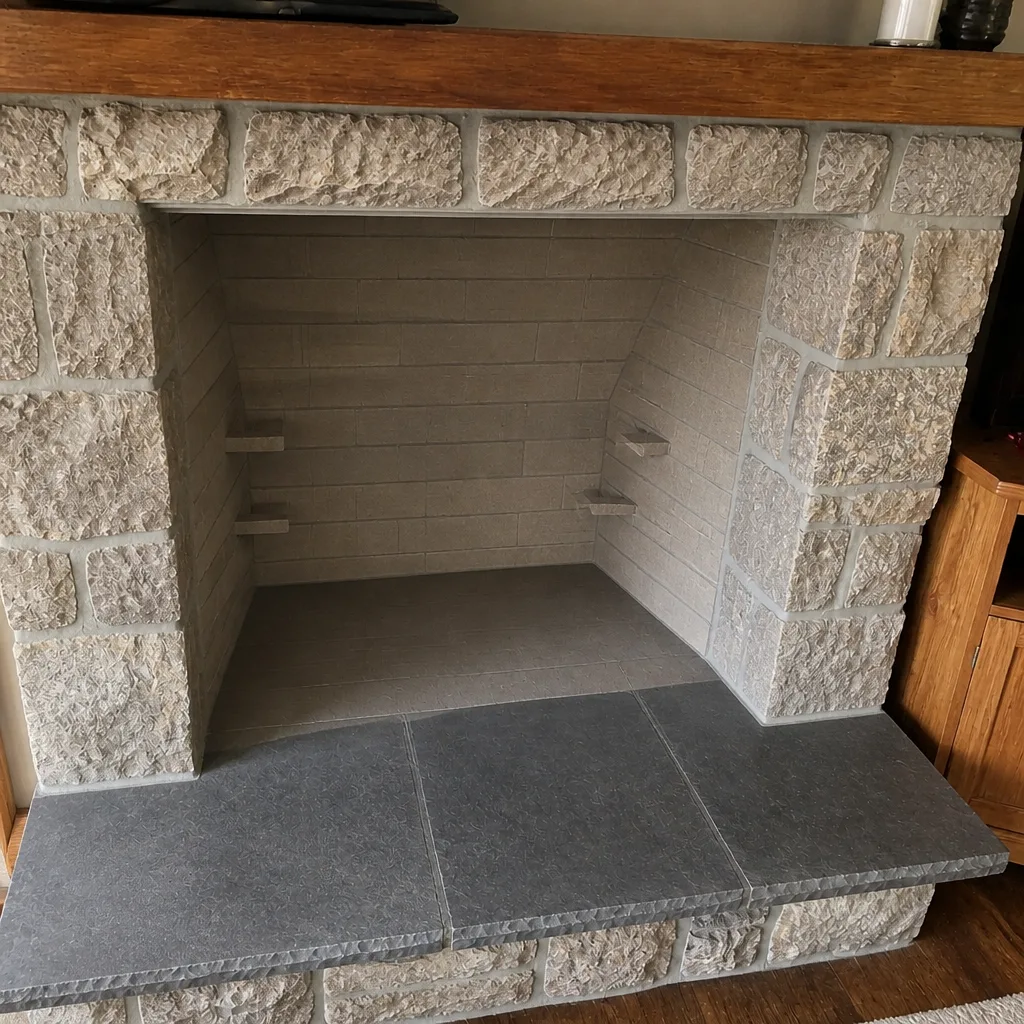
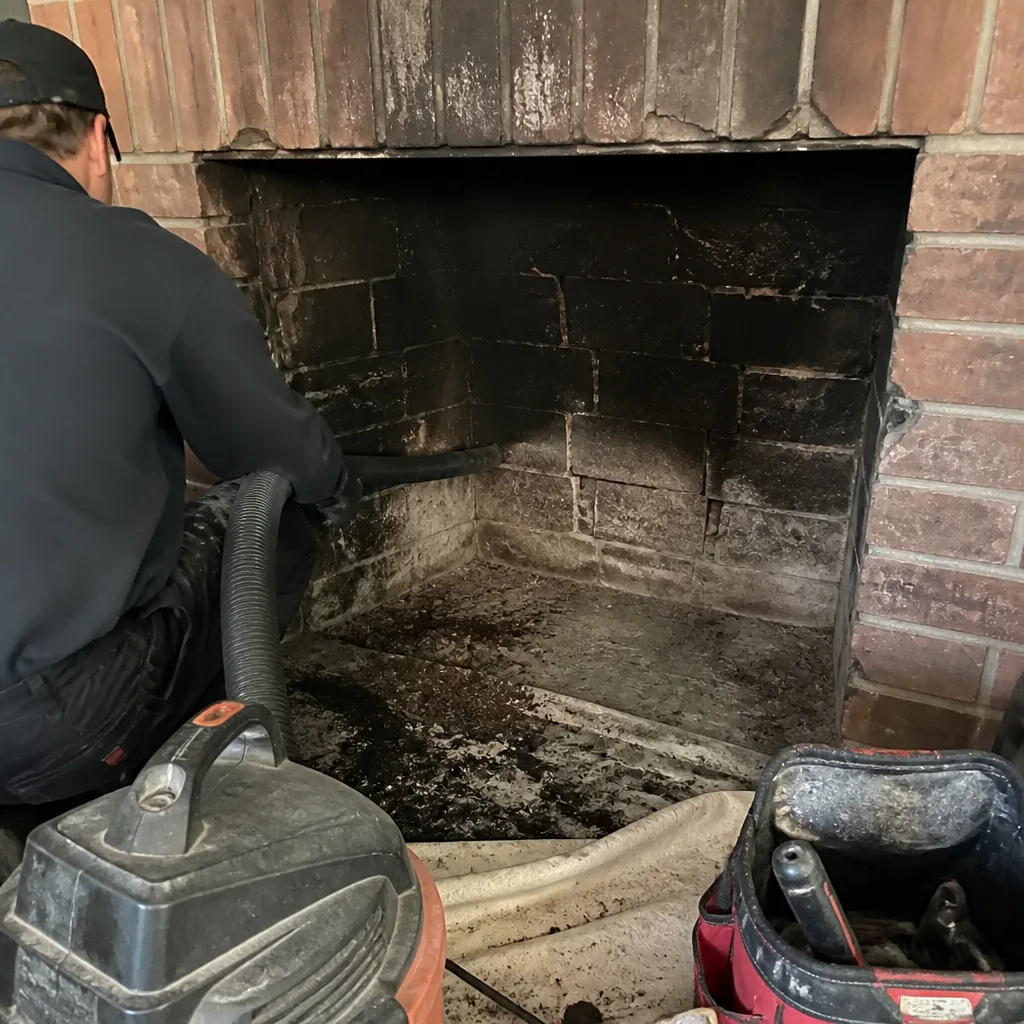
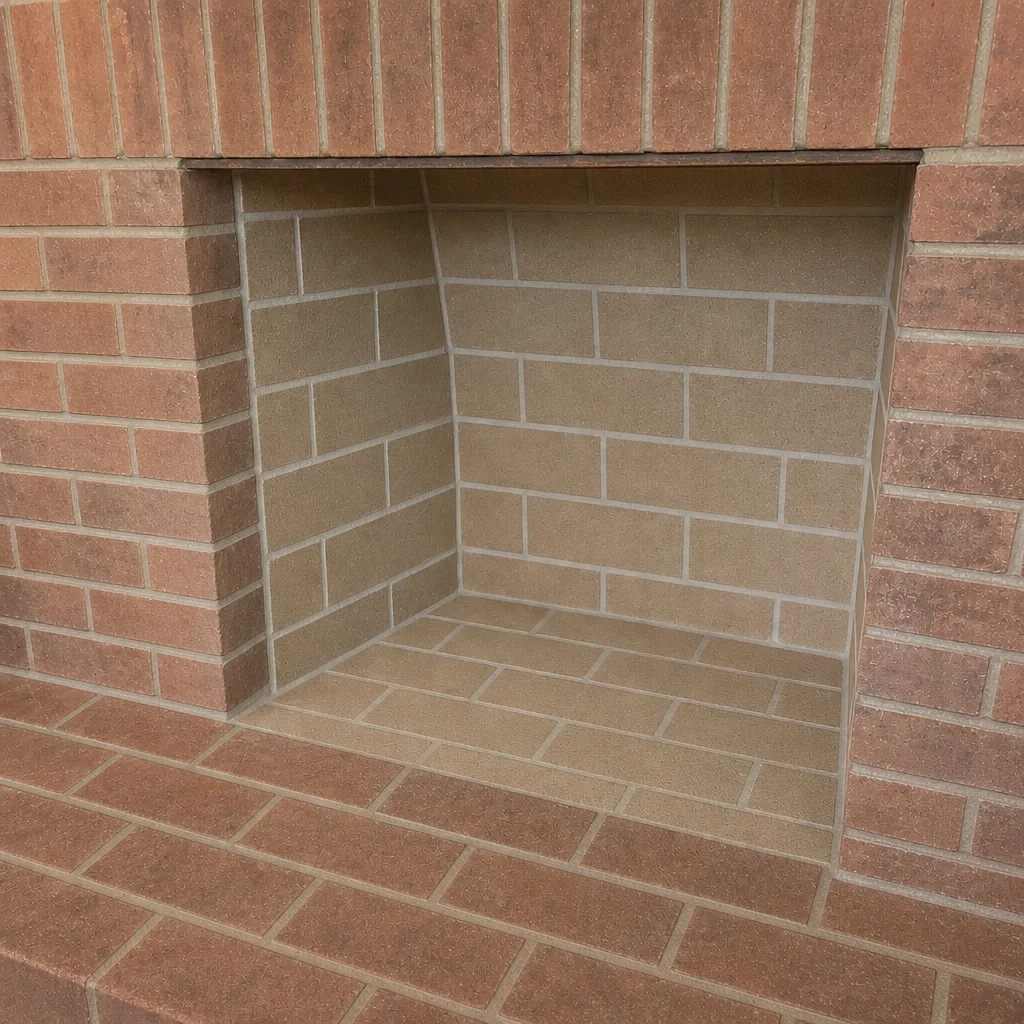
See the difference
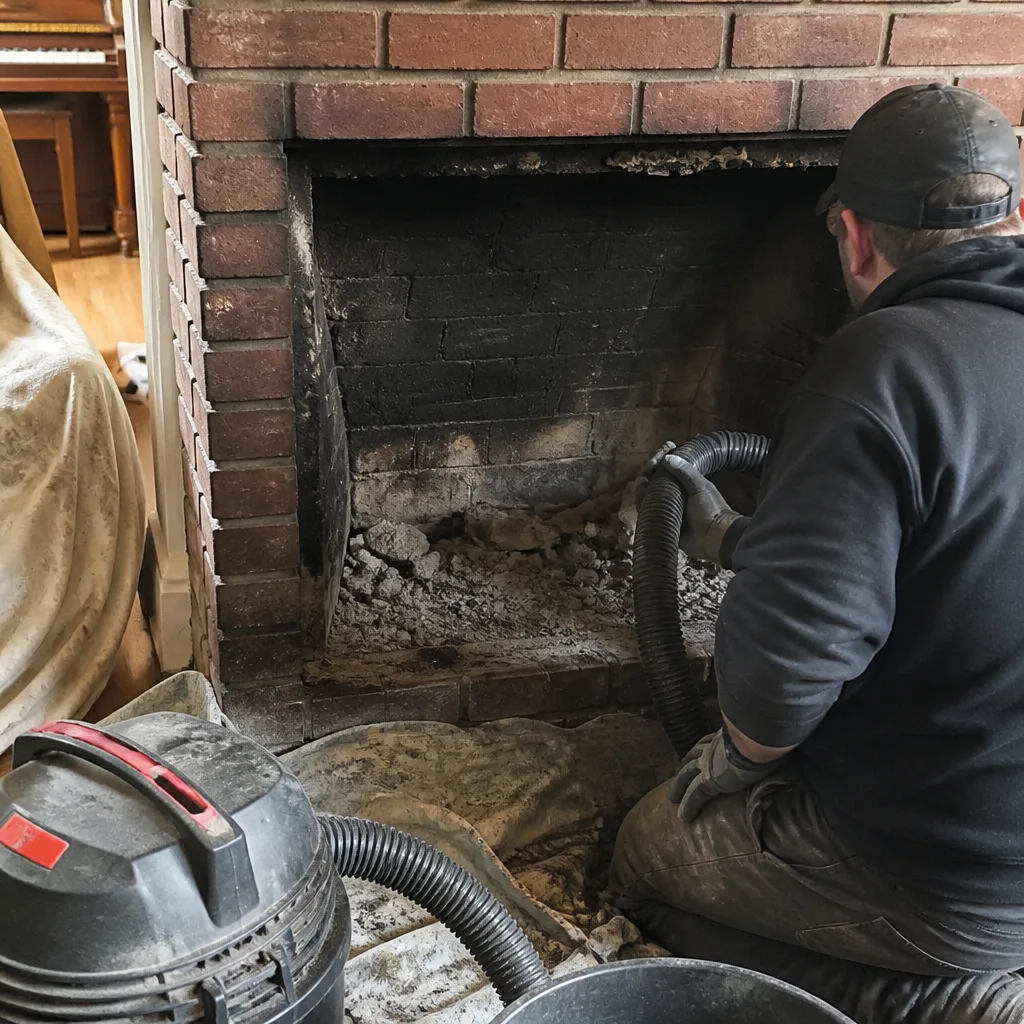 Before
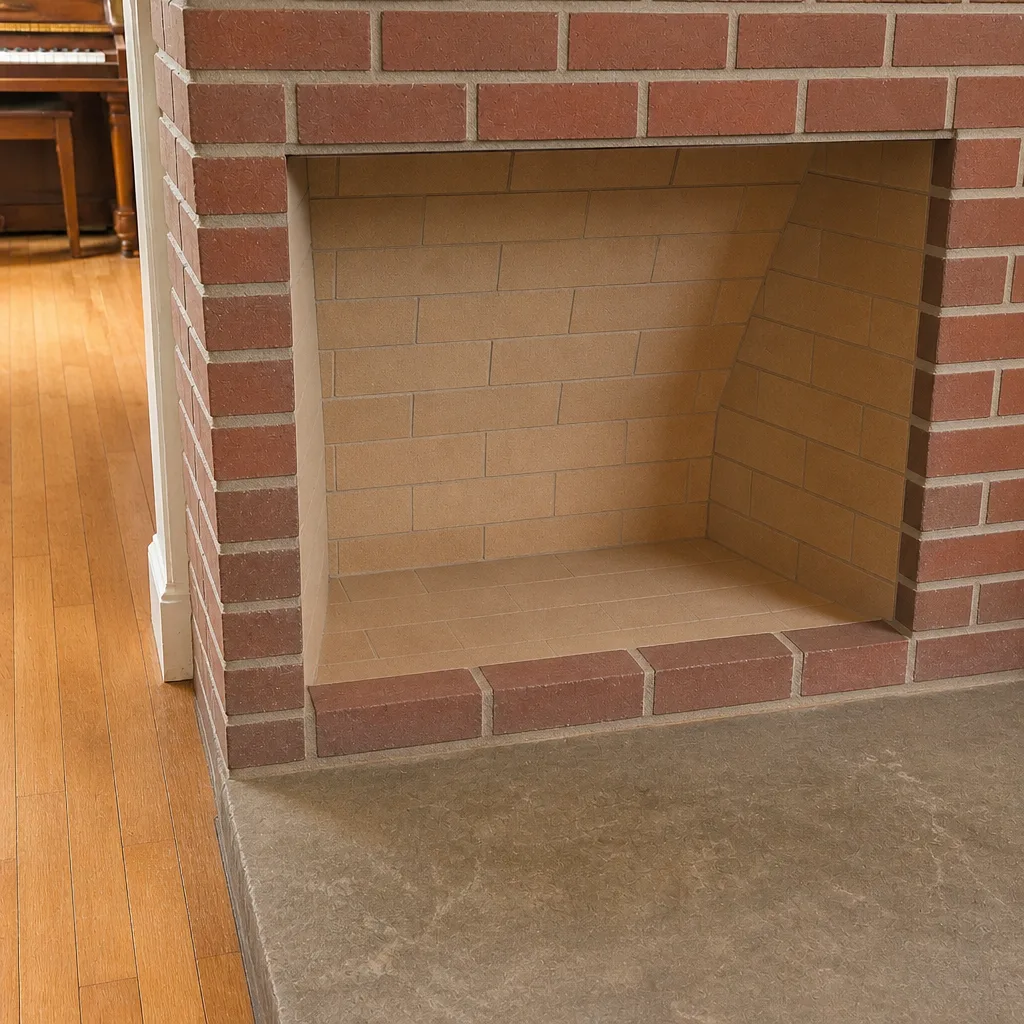 After
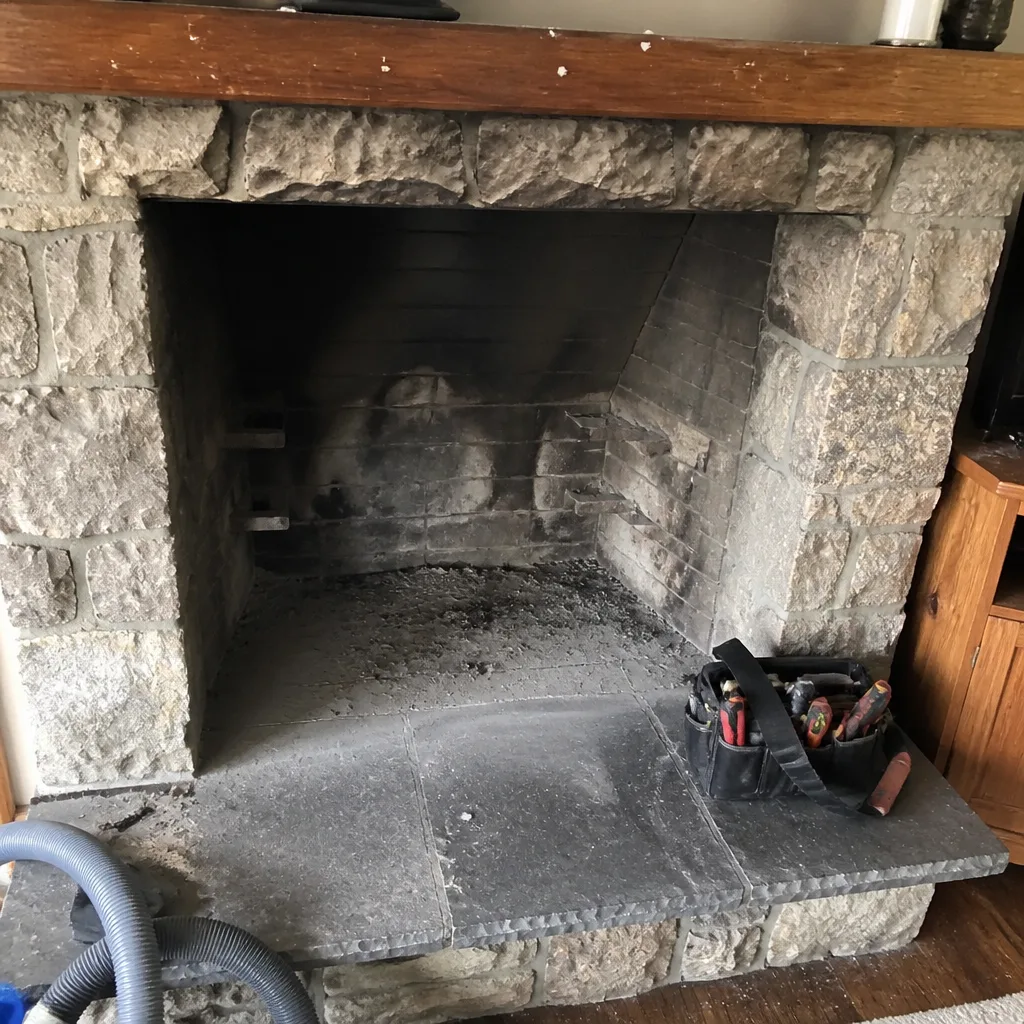 Before
 After
 Before
 After
When to Call a Professional
Call a specialist if you’ve had a chimney fire, even a small one, or if you smell smoke in the house when no fire is burning. Call if the draft has degraded noticeably, if the firebox or the chimney face shows new cracking, or if you haven’t had the flue inspected with a camera in a year or more. Call if the cap is missing, damaged, or has an animal nest in it, and call before the burning season if you’ve never had the chimney looked at. If you’re seeing creosote flaking, soot falling into the firebox, or a damper that won’t seal, those are all reasons to get a professional read. Chimney Sweep Ravenna offers free estimates in Ravenna, so the inspection findings and the recommendation happen in the same visit. Call (855) 550-7534 to schedule a sweep or inspection.
Frequently Asked Questions
A standard chimney sweep and inspection typically falls in a modest range that a written estimate will confirm before any work happens. The exact price depends on the flue configuration, whether a camera inspection is included, and what the sweep finds. We set the price per job from a written estimate, so there’s no surprise on the invoice. Call (855) 550-7534 for a free estimate.
Not necessarily. A worn clay liner sometimes needs a full stainless relining, but a flue that has surface cracking without structural failure can often be restored with a HeatShield application instead. The camera inspection and photo report decide which path applies in your case, and you see the evidence before any recommendation is made. Call (855) 550-7534 for a free estimate.
Once a year for most homes, and more often if you burn heavily or if the flue is on older masonry without a modern liner. A mid-season sweep is worth doing if you notice draft problems, smoke rollout, or a change in the smell of the fireplace during the burning season. Call (855) 550-7534 to set your annual sweep.
Creosote accumulates, draft degrades, and the risk of a chimney fire rises. That’s the real consequence: a chimney fire can damage the liner in a way you can’t see from the firebox, and the damage from a skipped year often shows up as a liner or crown repair the next season. Skipping a year is not a small risk, and it’s not worth the tradeoff. Call (855) 550-7534 for a free estimate.
Yes. Gas and multi-fuel fireplace systems need different attention than wood-burning ones, but they still need inspection and, for venting, the right cap and vent components. We work with Famco and Copperfield venting and cap components for both masonry and prefabricated systems, so the right part for the system is the one that gets specified. Call (855) 550-7534 to schedule.
For catching damage, yes. Winter is when the flue is under the most stress, so a spring inspection sees the damage fresh, while a fall inspection six months later may be looking at water-related deterioration that has already set in. Both matter; the ideal calendar is one inspection in spring with a mid-season check as needed. Call (855) 550-7534 for a free estimate.
The Bottom Line
The chimney calendar runs twelve months in Ravenna, and the work you do in the off-season is what keeps the system safe when the first fire goes in. Spring is for inspection and moisture repair after the wet winter. Summer is for caps and animal exclusion before nesting season. Fall is the pre-season check of draft, damper, and smoke chamber. Winter is for watching the warning signs and calling a sweep if they appear. Seasoned wood, a properly sized cap, and a camera-verified liner are the difference between a quiet fireplace season and one that ends in a repair conversation. If you want a specialist to look at the whole system, not just sweep it, we’ll bring the camera and show you what we find. Chimney Sweep Ravenna handles sweeping, inspection, cap and crown work, and structural repair under one roof. Call (855) 550-7534 for a free estimate. We answer 24/7, with fast dispatch from 7am to 7pm, Sunday through Friday.
Written by the team at Chimney Sweep Ravenna.