
Last updated November 25, 2026
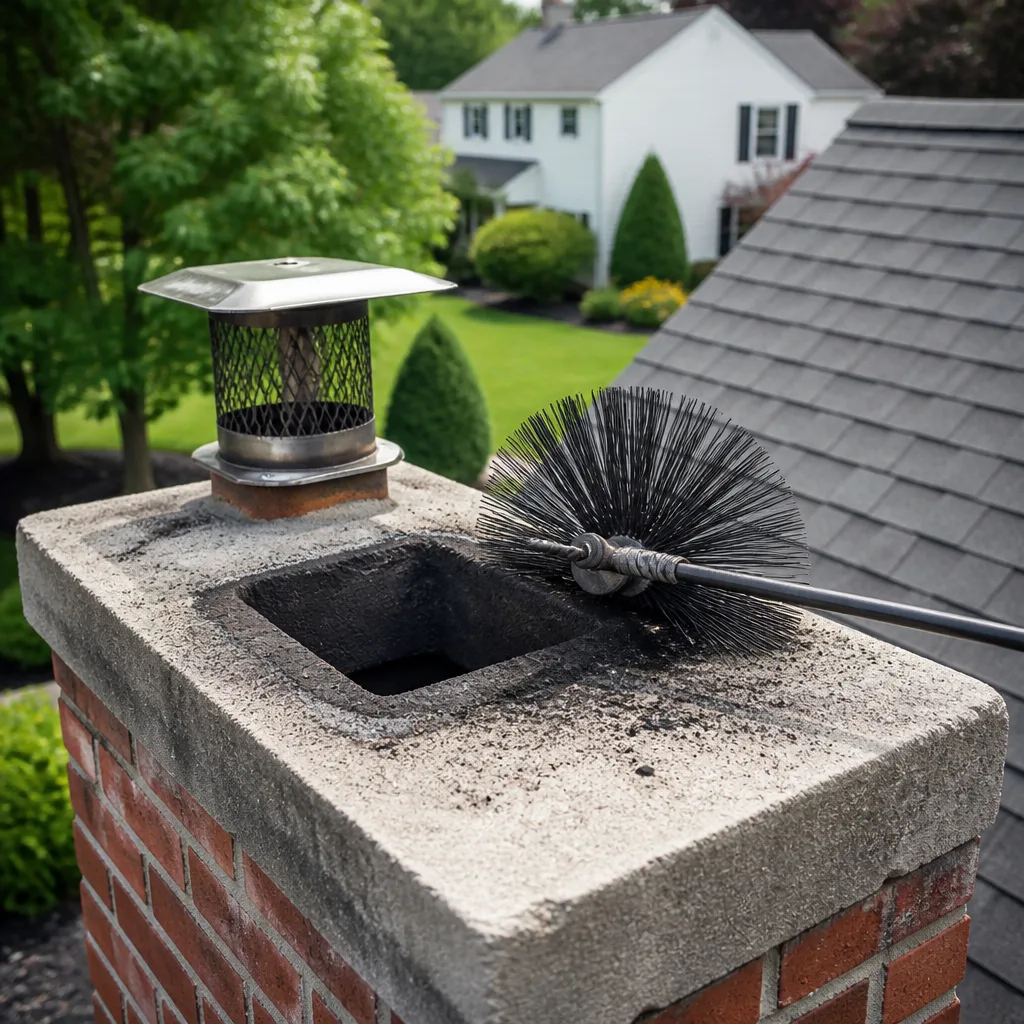 Sweep & inspection
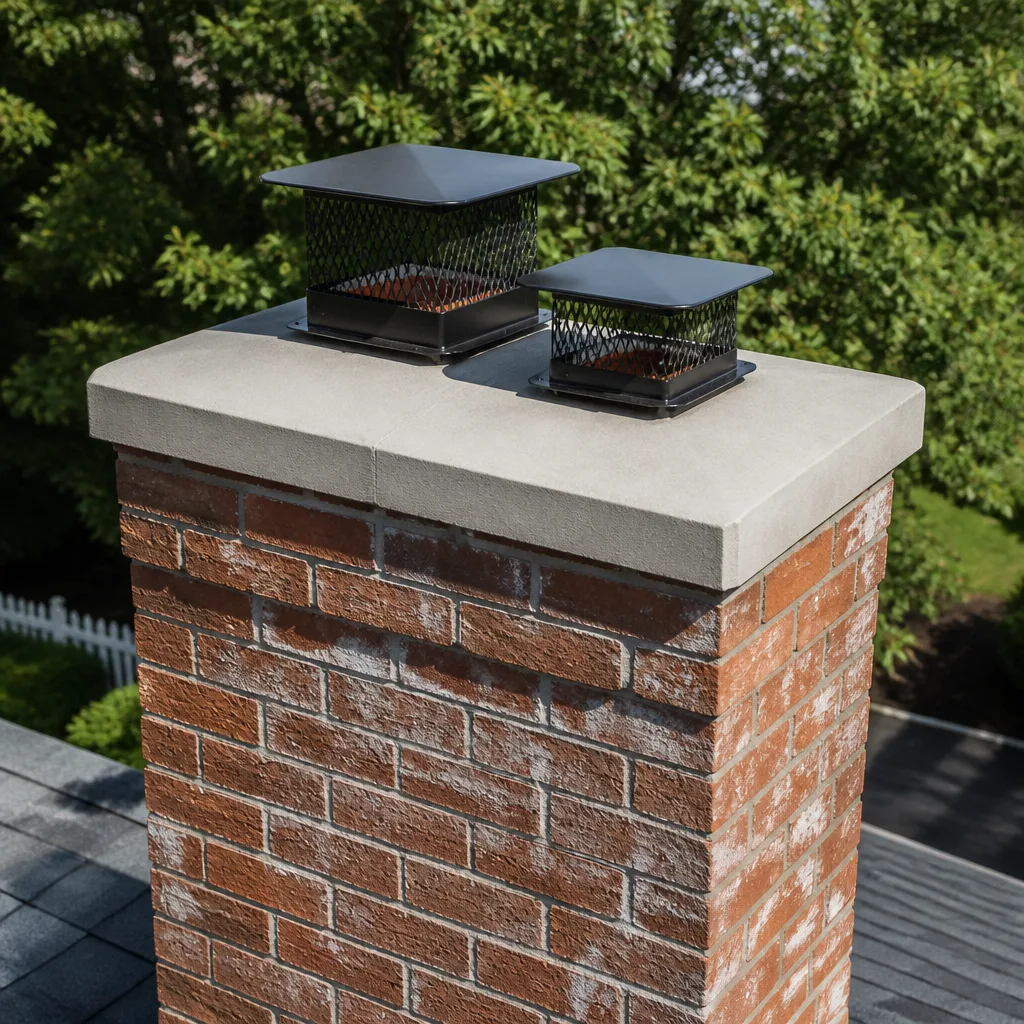 Caps & crowns
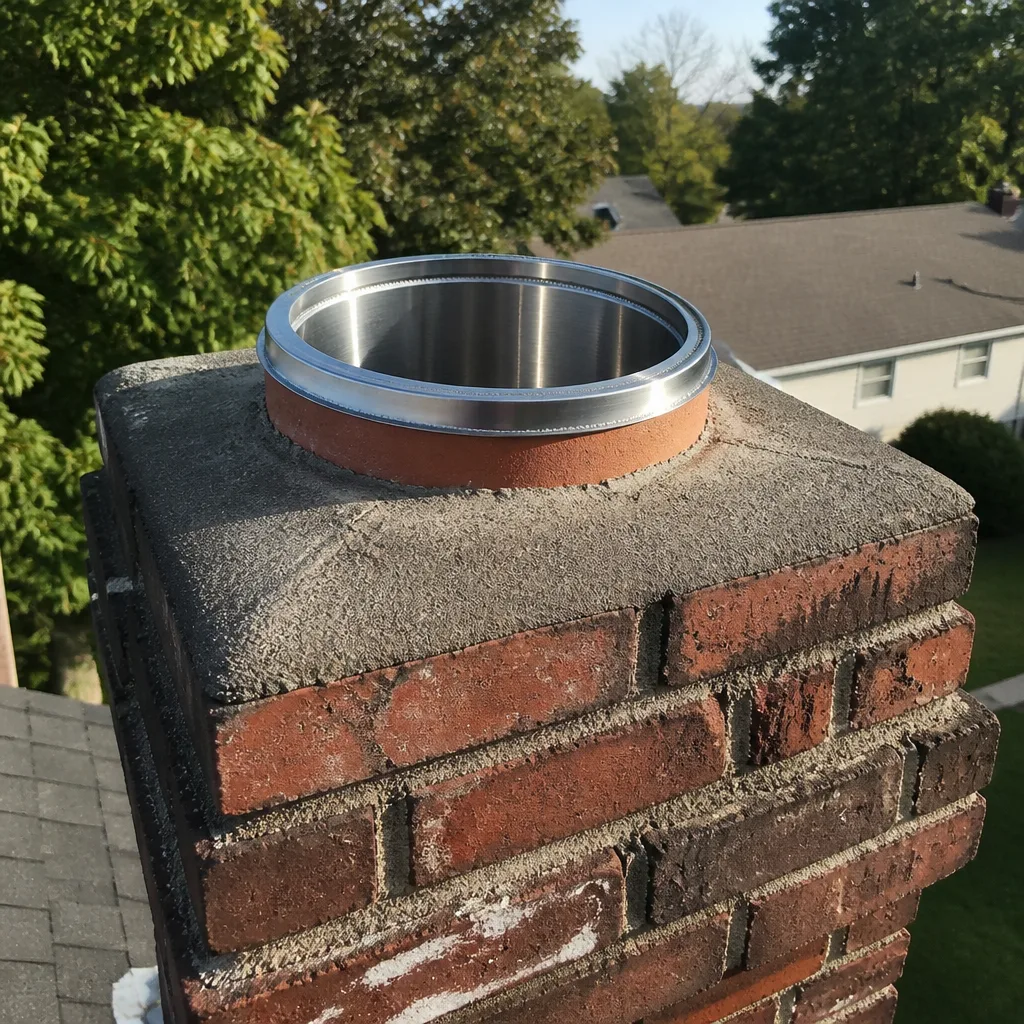 Flue relining
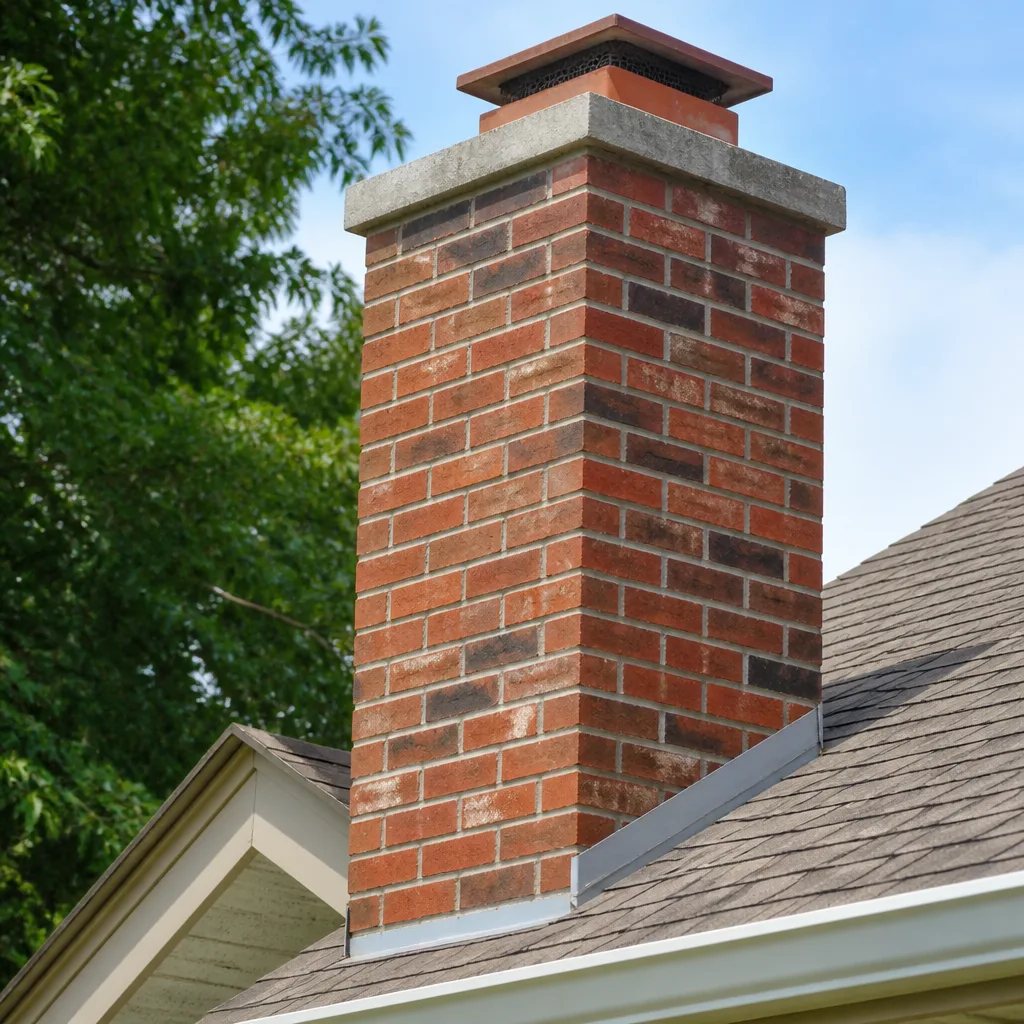 Masonry repair
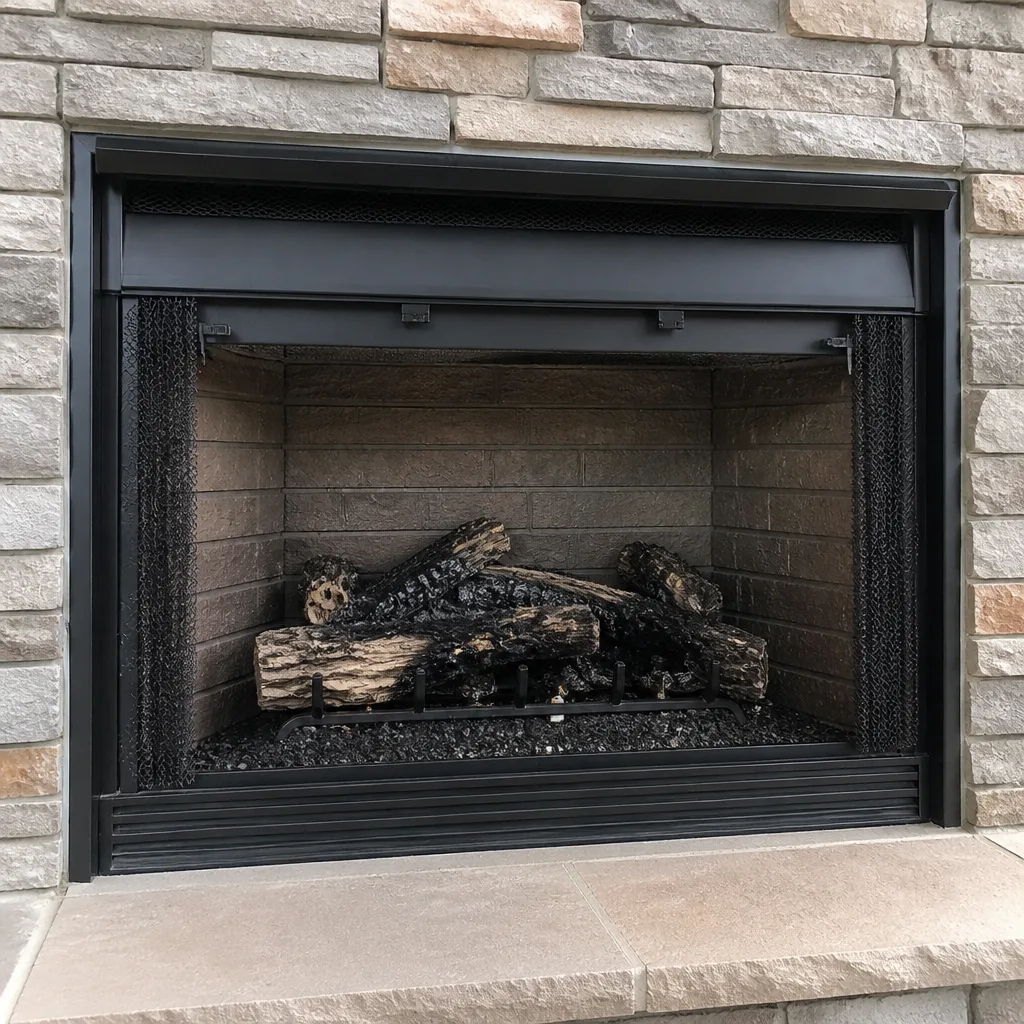 Gas fireplace service
Level 1 sweep and inspection to the NFPA 211 annual standard - flue, crown, cap, and flashing checked and photographed
Chimney sweep logs do not sweep chimneys. They loosen some creosote - which then falls where a brush and vacuum still have to collect it.
How to Hire a Chimney Cleaning Contractor in Ravenna: A Step-by-Step Guide
A CSIA certification takes real study and a proctored exam to earn. Printing a business card takes about five minutes. In a trade with almost no barrier to entry, anyone with a brush and a van can call themselves a chimney sweep, and the homeowner on the other side of the phone call has no easy way to tell the trained specialist from the weekend generalist. Ravenna sits in a wet, wooded corner of the state where wood heating gets heavy use and chimneys take a real beating, so getting this decision right matters more than most people realize. This guide gives you the exact questions, credential checks, and red flags that separate one from the other.
Quick Answer
To hire a chimney cleaning contractor in Ravenna, verify a current CSIA or NFI credential directly through the certifying body rather than taking a logo at face value, confirm the company carries general liability insurance, ask which professional-grade liner and venting brands they install, and insist on a written inspection report with photos before approving any repair. A legitimate sweep will welcome all four questions. The wrong one will dodge them. Call (855) 550-7534 to book an appointment with a chimney-only specialist.
Styles & brands we work with
- Sweep & inspection
- Caps & crowns
- Flue relining
- Masonry repair
- Gas fireplace service
Table of Contents
- Why Hiring Well Matters More in Ravenna
- What CSIA and NFI Certifications Actually Require
- How to Verify a Chimney Contractor Before You Book
- Why the Brands They Stock Tell You Everything
- The Questions to Ask Before You Hire
- Liner Talk: SS316 vs. SS304 and When Each Applies
- What a Real Post-Service Report Should Contain
- Red Flags in a Quote
Why Hiring Well Matters More in Ravenna
Ravenna’s climate is hard on chimneys in a way that flat, dry country is not. Western Washington gets long wet stretches through the heating season, and masonry soaks up moisture the way a sponge does. When a masonry chimney stays damp and then gets a hot fire inside it, the freeze-thaw cycle works the mortar and the brick faces loose, and a crown that has started to crack lets even more water in behind it. That’s before you get to how much wood people around here actually burn. Homes tucked into the wooded neighborhoods and foothill edges of the area often use a fireplace or wood stove as a primary heat source, not a decorative afterthought, which means creosote builds up fast.
Creosote is the residue left when wood smoke cools on the flue walls. It accumulates in layers, and those layers come in different grades depending on how hot the fire burned and how well the stove drafted. Glazed creosote is the hard, shiny, tar-like kind, and it’s the kind that ignites. A chimney fire can crack the flue tile, and once the flue is compromised, the next fire sends combustion gases somewhere other than up and out. That’s the real reason hiring matters in Ravenna: a whole region that heats with wood, in a climate that degrades masonry, under a tree canopy that fills gutters and caps with debris. The components are all working against your chimney at once.
None of this means every chimney in Ravenna is quietly failing. Most are fine. It means the margin for a sloppy sweep is thinner here than in a mild climate where the fireplace runs twice a year. If you want the fundamentals of the service itself, start with our page on what a chimney sweep actually involves before you start comparing contractors.
What CSIA and NFI Certifications Actually Require
The Chimney Safety Institute of America (CSIA) certification is the baseline credential you want to see. Earning it takes a substantial study commitment, verification of insurance, agreement to a code of ethics, and passing a proctored exam that covers venting, combustion, chimney construction, and inspection standards. It isn’t a weekend course. It has to be renewed, which means a certified sweep is staying current on codes and best practices rather than coasting on what they learned once.
NFI stands for the National Fireplace Institute, and it certifies technicians across several specializations, including wood-burning appliances and gas-burning appliances. An NFI certification on a wood specialist means they’ve been tested on how wood stoves and fireplaces actually draft and vent, which is a level of knowledge well past sweeping a flue clean. Together, CSIA and NFI are the two credentials that mean something in this trade. Ask which specific certification a technician holds, and ask for the credential number.
The part most homeowners miss: a certification means something only if it’s current. A logo on a website or a van door doesn’t tell you whether the person holding it renewed this cycle. Both CSIA and NFI maintain searchable online directories of certified professionals. Look the company up there yourself. If a contractor hesitates to give you a name and a credential number to check, that hesitation is your answer.
One more distinction worth understanding: being certified does not mean every job they do is inspected by a certified inspector. Certification applies to the individual, not automatically to the whole company. When you ask who’s coming out, ask whether that person is the certified one, or whether they work under someone who is.
How to Verify a Chimney Contractor Before You Book
Verification is a short, concrete process, and you can run the whole thing in under an hour. Here’s the sequence:
- Search the CSIA and NFI directories yourself. Look up the company name and the individual’s name. A real credential shows up there.
- Ask for proof of general liability insurance. Any reputable contractor carries it and can produce a certificate. If they can’t, you’re one dropped ladder away from a problem.
- Ask the credential number. Write it down and confirm it matches the directory listing. Some certificates are transferable-looking and aren’t.
- Ask what the inspection includes. A proper inspection has defined levels, and a serious contractor will explain which level you’re getting and why.
- Ask whether repair work is done in-house. A company that inspects and then hands you off to a separate mason has no accountability for whether the diagnosis was right.
The last point matters in Ravenna specifically because the region has plenty of handymen who’ll sweep a chimney as a side job. Nothing against a generalist’s work ethic, but a chimney is a system with codes attached to it, and someone splitting attention across decks, drywall, and flues isn’t tracking the latest venting standards. A chimney-only specialist does one thing. When you can inspect it and fix it under one roof, the person who found the problem is the person who answers for it.
Here at Chimney Sweep Ravenna, the inspection and any repair work stay with the same crew. Our technicians have up to 10 years of experience and work with professional-grade brands rather than what’s sitting on a hardware-store shelf.
Why the Brands They Stock Tell You Everything
You can learn a lot about a chimney contractor by asking one question: what brands do you use for liners and venting? Someone who works at a commercial level will name specific manufacturers without thinking about it. Someone improvising will vaguely promise “high-quality materials.” The brands themselves are the tell, because they’re specified on real jobs and not priced for weekend DIY.
DuraFlex is a good example. It’s a professional stainless liner brand, and the material quality and the flexibility of the product matter enormously on a job where the liner has to go up a flue with offsets and bends. HeatShield is a mortar-based resurfacing system used to restore a deteriorated flue from the inside without tearing out the chimney, and it’s a product only trained installers apply. Copperfield makes chimney liners, caps, and venting components as well. Gelco and Famco show up in cap and venting systems across both masonry and prefabricated applications. Olympia Chimney is a familiar name on the liner side too.
When a contractor tells you they install DuraFlex, HeatShield, or Copperfield, they’re telling you they’ve been trained to work with materials that carry real specifications and real installation requirements. When they can’t name a single product, you’re likely looking at a company whose liner experience is thinner than the sales pitch. Here at Chimney Sweep Ravenna, our work rests on these brands: DuraFlex, HeatShield, Gelco, Olympia Chimney, Famco, and Copperfield. We name them because they’re what we actually install, and because knowing both masonry and prefabricated fireplace systems means no chimney job sits outside our scope.
For the cap, crown, and top-of-chimney side of the work, our page on chimney cap & crown goes deeper into why the brands matter up there too, where rain and debris do their damage.
The Questions to Ask Before You Hire
Here’s a short list of questions to put to every contractor you’re considering. Ask them on the phone, before you book, and pay attention to how the person answers.
- “Are you CSIA certified, and what’s your credential number?” A real one gives it to you without hesitation.
- “What level of inspection will you do, and will I get the report in writing?” The answer should name a level and confirm a written report with photos.
- “What liner and venting brands do you install?” If they can’t name manufacturers, keep looking.
- “Do you do the repairs yourself, or do I get referred out?” A single-source company stands behind its own findings.
- “Can you show me the camera footage?” Any contractor doing video inspection can share the images. This is a fair request, never an insult.
- “Will you tell me if the work can safely wait?” The right answer is yes, because honesty about timing is the mark of someone you can trust with the next job too.
Notice what these questions have in common: every one is answerable on the spot by someone who actually does the work, and every one is dodgeable by someone who doesn’t. A trained sweep will talk to you like a colleague about the flue. A generalist will talk around it. If a contractor gets defensive about being asked for a credential number or camera evidence, that’s information, and you should act on it.
Liner Talk: SS316 vs. SS304 and When Each Applies
Liner material is one of the clearest places to separate real expertise from improvisation. Two common grades of stainless liner show up in chimney work: SS316 and SS304. SS304 is the more affordable grade and works well for straightforward wood and gas venting in dry conditions. SS316 is the higher-grade alloy, and it holds up better against corrosive flue conditions, including the acidic condensation that comes from certain fuels and from gas appliances. Choosing the wrong grade is a mistake you won’t notice for a couple of years, and then it shows up as a pinhole in the liner.
A contractor worth hiring will explain which grade they recommend for your setup and why. They’ll ask what you burn, how often, whether your appliance is wood, gas, or multi-fuel, and what your existing flue looks like on camera. If someone quotes a liner job without knowing what you burn or looking inside first, they’re guessing. HeatShield restoration is a separate tool in the box: on a masonry flue that’s deteriorated but structurally sound, resurfacing can sometimes restore it instead of a full reline, which is a decision below the pay grade of a basic sweep.
Ask directly: “How many liner installations have you done, and which grade are you recommending here?” The answer to the grade question should be specific. If it isn’t, that’s a reason to get a second opinion before you authorize the work.
What a Real Post-Service Report Should Contain
A receipt with a date and a dollar amount is not an inspection report. A proper post-service report is a document you can read, keep, and compare against the next one years from now. Here’s what a legitimate one contains:
- The level of inspection performed, by name.
- The condition of the flue, described in plain terms, with the specific issue noted if there is one.
- Photos or still images from the camera inspection, so you can see what the technician saw.
- The condition of the cap, the crown, the firebox, the damper, and the smoke chamber.
- Whether any creosote buildup was present and how much.
- Clearly stated recommendations, tagged as urgent, next-season, or monitor.
- A note on any safety hazard found, including carbon monoxide risk if the venting is compromised.
That last point is the serious one. A blocked or cracked flue can push carbon monoxide back into your living space, and that’s a hazard a written report should flag plainly, not float as a scare tactic. If a report is vague, or if the only document you get is a card with a dollar amount on it, ask for the full version. A contractor doing real inspection work has the photos and notes already; asking to see them costs nothing.
Alongside the report, this is a good time to look at the fireplace itself. Cracks in the firebox or a loose damper are the kind of thing that shows up as a note in the report and finds its way to our fireplace repair work. Better to catch it at inspection than mid-winter.
Red Flags in a Quote
Some warnings are loud, and they show up in the quote before anyone climbs a ladder. Hire away from these:
- Vague line items. “Chimney work” and “general repair” aren’t line items. If the quote doesn’t name what’s being done and where, it’s not a quote.
- No written inspection report offered. If the contractor hands you a price instead of findings, they’ve skipped the exam. Judge the report before the invoice.
- Pressure to approve repairs the same day. Legitimate findings can wait a day while you think. Urgency that dials up the moment you say no is a sales tactic, not a safety alert.
- Print-on-demand credentials. A certificate printed at home isn’t a credential. Verify with CSIA or NFI before you book.
- Quoting liner work without a look inside. A price on a reline before anyone’s put a camera in the flue is a guess dressed as a quote.
- No brand names. If the contractor can’t tell you what brand of liner they install, they probably don’t install many.
- Cash up front, no paperwork. A professional invoices for work, carries insurance, and keeps records. “Deposit first” on a sweep-sized job is not a normal arrangement.
Ravenna’s tight service market makes all of this worth watching, because a homeowner who’s been burned by one bad sweep tends to delay the next appointment longer than the chimney should sit. Getting it right the first time protects the whole system.
Common Mistakes to Avoid
- Hiring whoever answers first. Speed of pickup is no measure of skill. Verify the credential before you book, even if the alternative is a week out.
- Trusting a logo without checking the directory. Any website can carry a CSIA seal. Only a current directory listing proves the certification is live.
- Approving a reline sight unseen. In Ravenna’s wet climate, moisture damage in the masonry above the roofline is common, but you should still see the camera footage before agreeing to a liner. The flue above the smoke chamber is where the money goes.
- Skipping the report. No paper means no baseline for the next inspection, and no way to tell if a problem is getting worse.
- Judging on price alone. The lowest quote on liner work is often the one using the wrong grade. SS316 costs more than SS304 for a reason, and the difference shows up in year three, not on the invoice.
- Calling a general contractor. Chimney work touches venting codes and combustion science. A handyman who also does flues is doing two things poorly.
- Waiting for a smoky fireplace to become a chimney fire. Creosote ignites. A sweep is cheaper than a chimney fire by a wide margin.
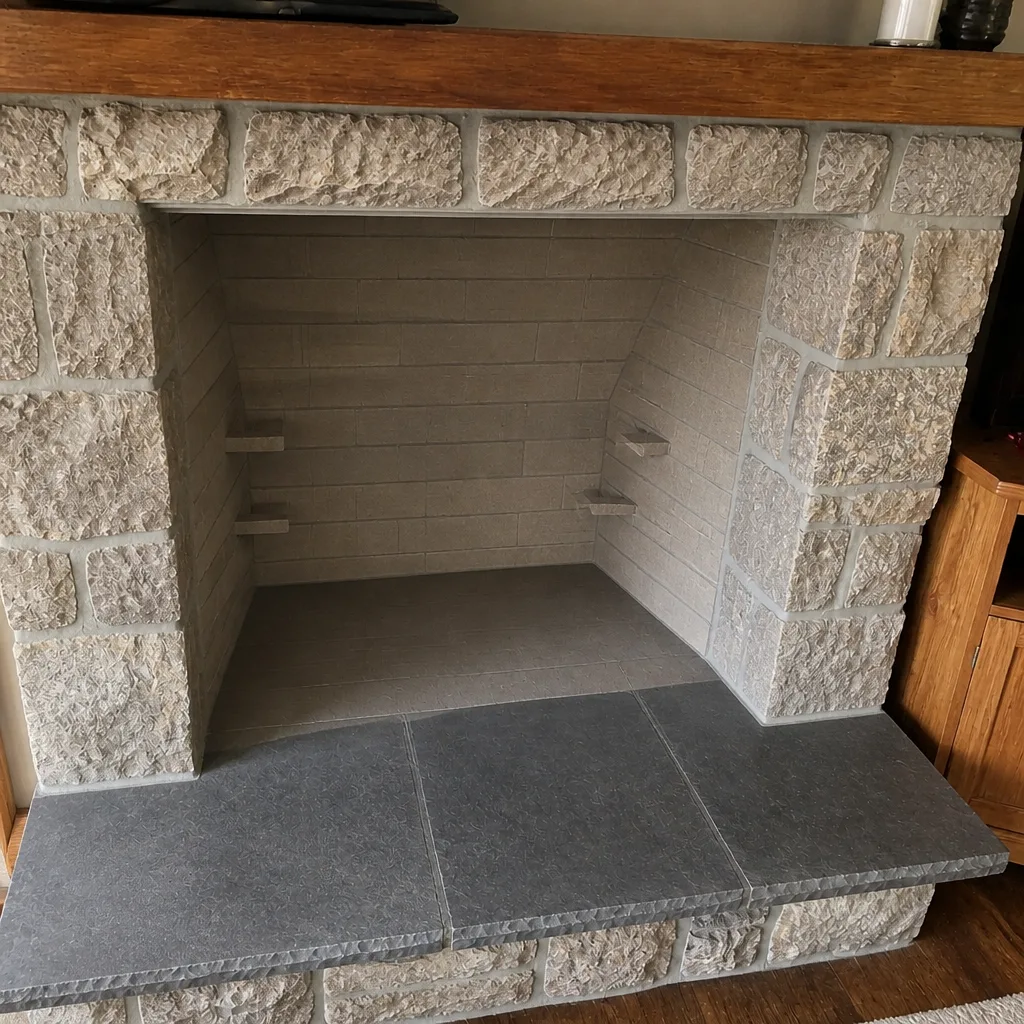
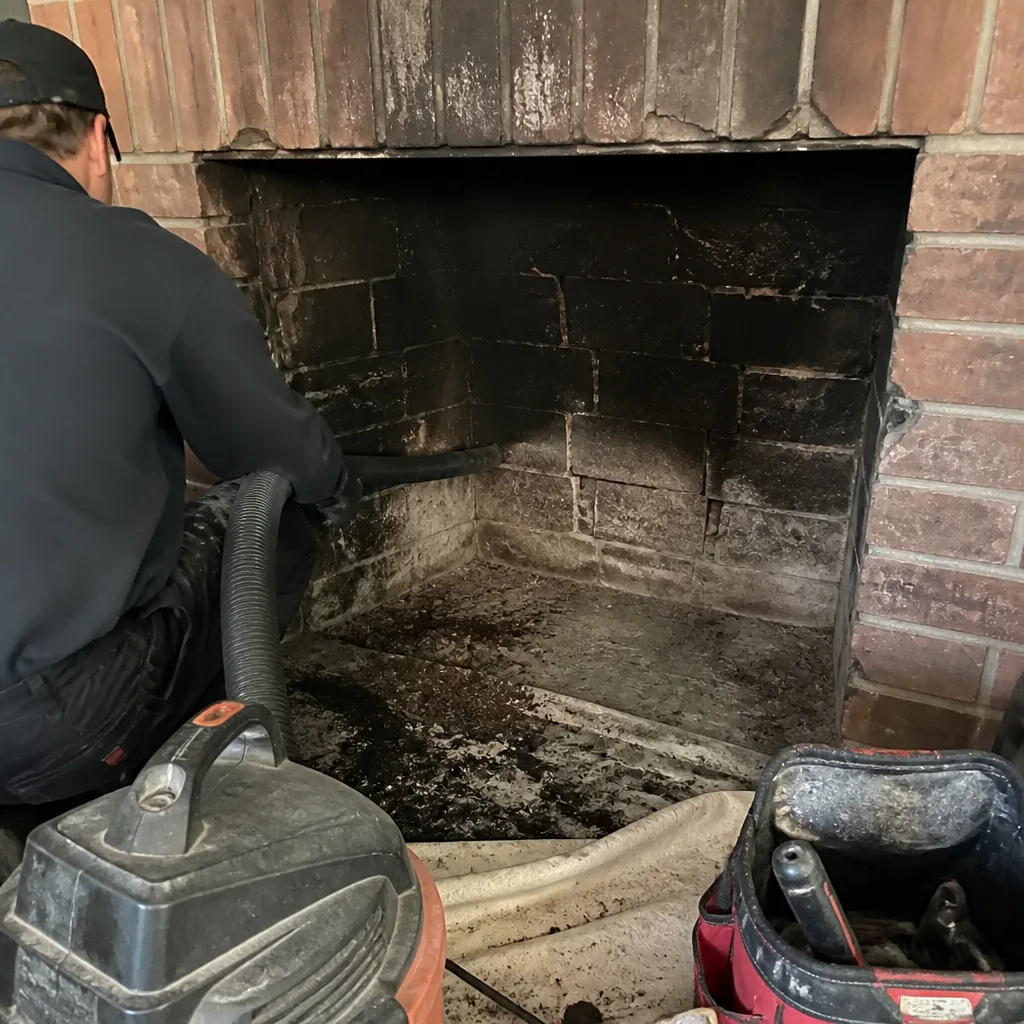
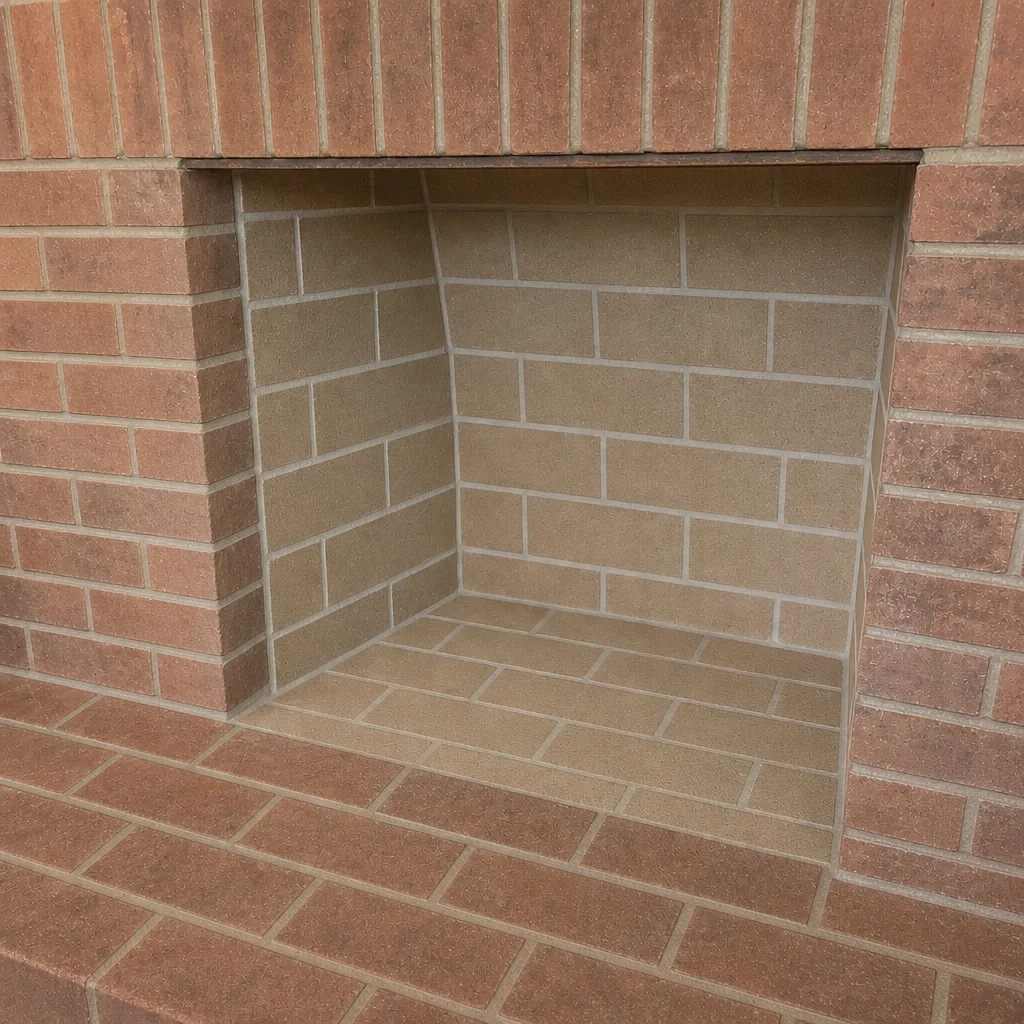
See the difference
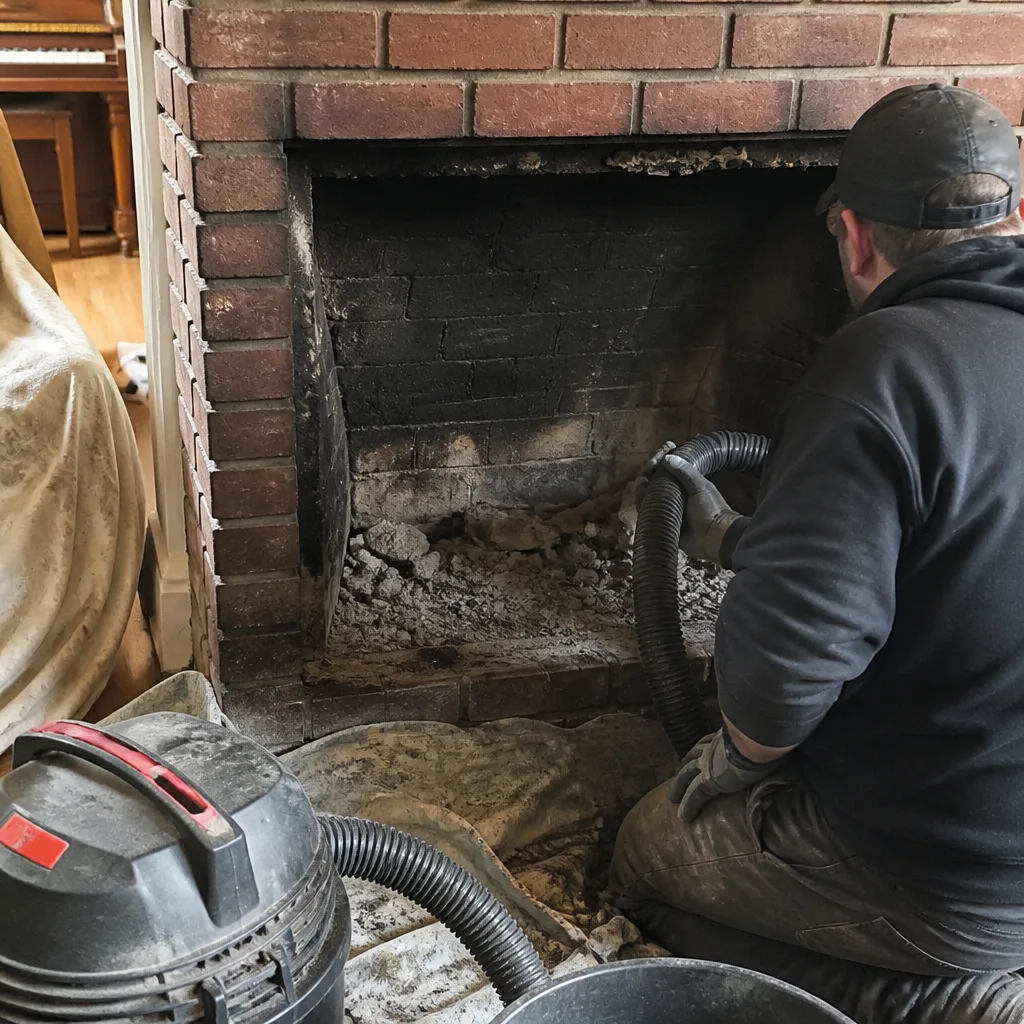 Before
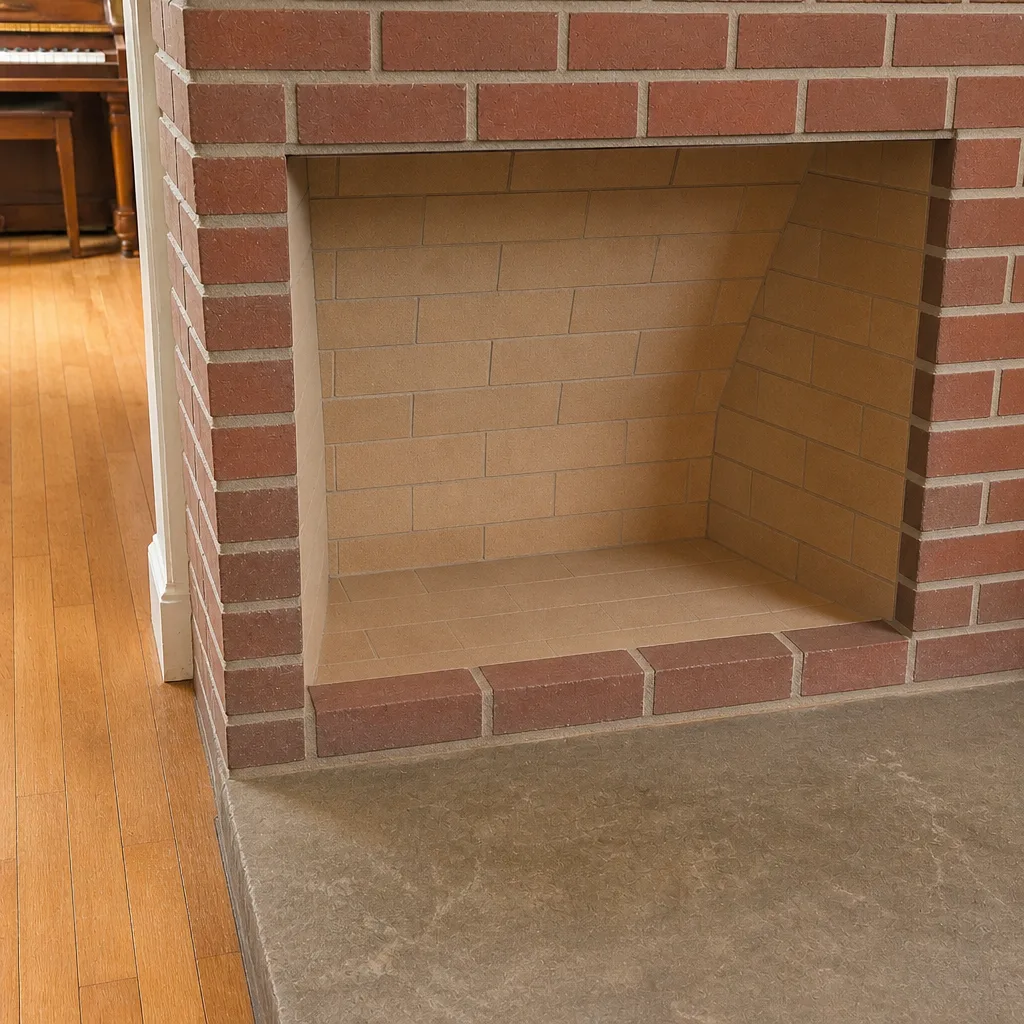 After
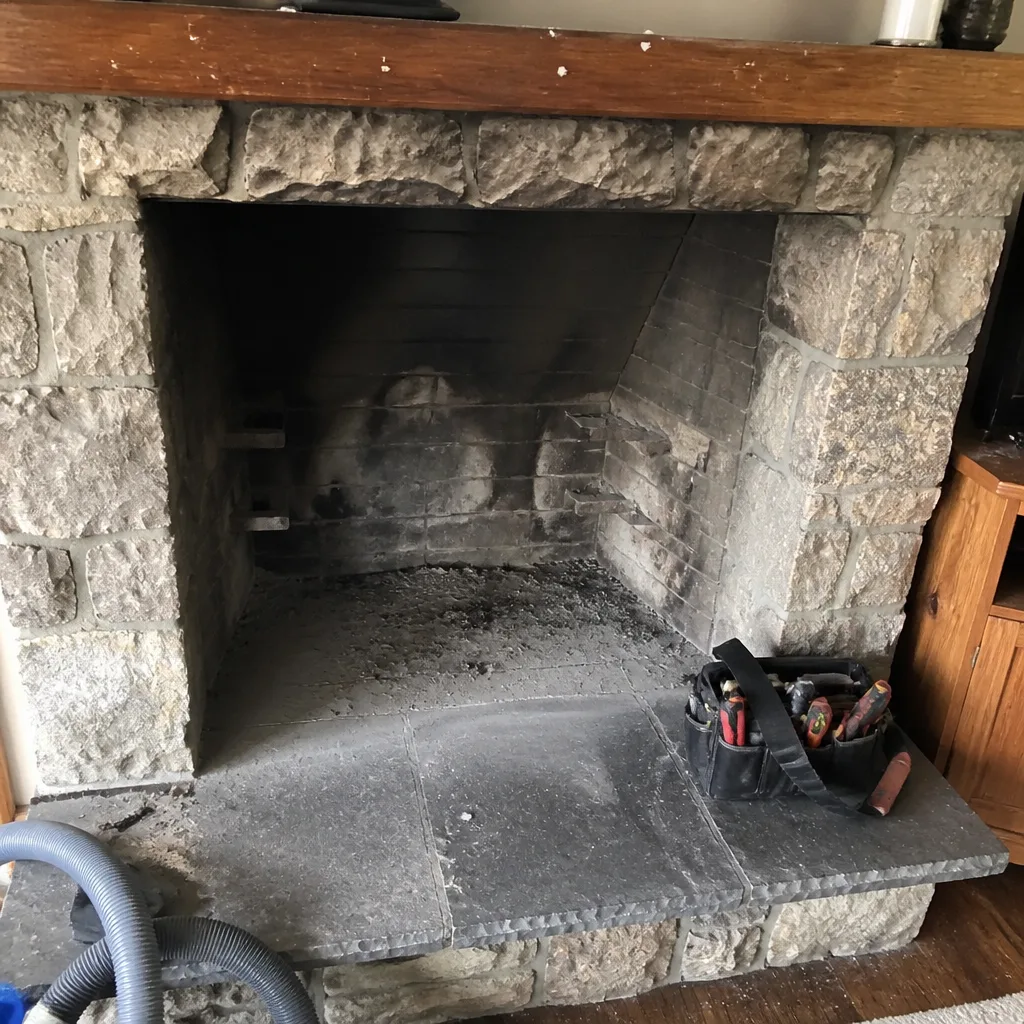 Before
 After
 Before
 After
When to Call a Professional
Some signs are clear calls for a technician, not a homeowner’s judgment test. Call when the fireplace smokes into the room, when the draft feels weak or inconsistent, when you smell creosote on warm days, or when you see glaze on the flue walls from a camera you’ve run yourself. Call after a chimney fire, even a small one, because tile cracks don’t always show up from outside. Call before the first fire of the season if it’s been a year or more since the last sweep. And call the moment you notice any draft problem in a gas fireplace, because carbon monoxide risk is not something to test with the family in the room.
Chimney Sweep Ravenna offers free estimates in Ravenna – call (855) 550-7534. We answer 24/7. Fast dispatch from 7am to 7pm, Sunday through Friday. Our technicians have up to 10 years of experience, and every job starts with an inspection you can see with your own eyes, not a sales pitch.
Frequently Asked Questions
A standard sweep typically runs less than a liner job, and pricing depends on the appliance, the flue’s condition, and how much creosote has built up. A written estimate sets the final price, and we never quote before the flue has been inspected. Call (855) 550-7534 for an exact quote – estimates are free.
Only if the camera shows the existing liner is compromised, cracked, or undersized for your appliance. A deteriorated flue can sometimes be resurfaced with HeatShield rather than fully relined, and the decision should rest on evidence you can see for yourself. If the liner is sound, a liner job can safely wait. Call (855) 550-7534 if you’d like that evidence reviewed.
Once a year for most households, and more often if you burn wood regularly through the heating season. Ravenna homes that use a wood stove as primary heat benefit from an annual sweep because creosote builds faster under constant use. Call (855) 550-7534 to schedule the annual inspection.
Creosote accumulates and eventually gets to the glazed stage, where it can ignite in a chimney fire, and a loose or cracked cap lets water and debris into the flue and accelerates masonry damage. The risk isn’t hypothetical, but it’s also not immediate in most cases, because most flues are built to handle a year of use. Call (855) 550-7534 and we’ll tell you what condition your chimney is in.
Chimney sweeping is not a licensed trade in Washington the way electrical work is, so the credential that matters is CSIA or NFI certification, plus general liability insurance. Verify both through the certifying body’s directory and by asking for the insurance certificate before booking. Call (855) 550-7534 to talk to a certified specialist.
Professional-grade brands such as DuraFlex, HeatShield, Copperfield, Gelco, Olympia Chimney, and Famco, all of which carry specific install requirements that separate a trained specialist from a generalist. If a contractor can’t name the brands they install, they’re not working at the professional tier. Call (855) 550-7534 for a sweep or inspection backed by real materials.
The Bottom Line
Hiring a chimney contractor in Ravenna comes down to a short, verifiable list: a current CSIA credential you’ve checked in the directory, proof of insurance, a written inspection report with camera images, an explanation of the liner grade being recommended, and professional-grade brands named without hesitation. Anything short of that is a generalist with a brush, and a chimney doesn’t need a generalist. Our view is simple. We inspect it, we fix it, and you see the evidence. For the full picture of what a chimney-only specialist does from sweep to structural repair, see Chimney Sweep Ravenna. Call (855) 550-7534. We answer 24/7. Fast dispatch from 7am to 7pm, Sunday through Friday.
Written by the team at Chimney Sweep Ravenna.