
Copperfield Chimney Sweep in Ravenna: A Homeowner’s Guide
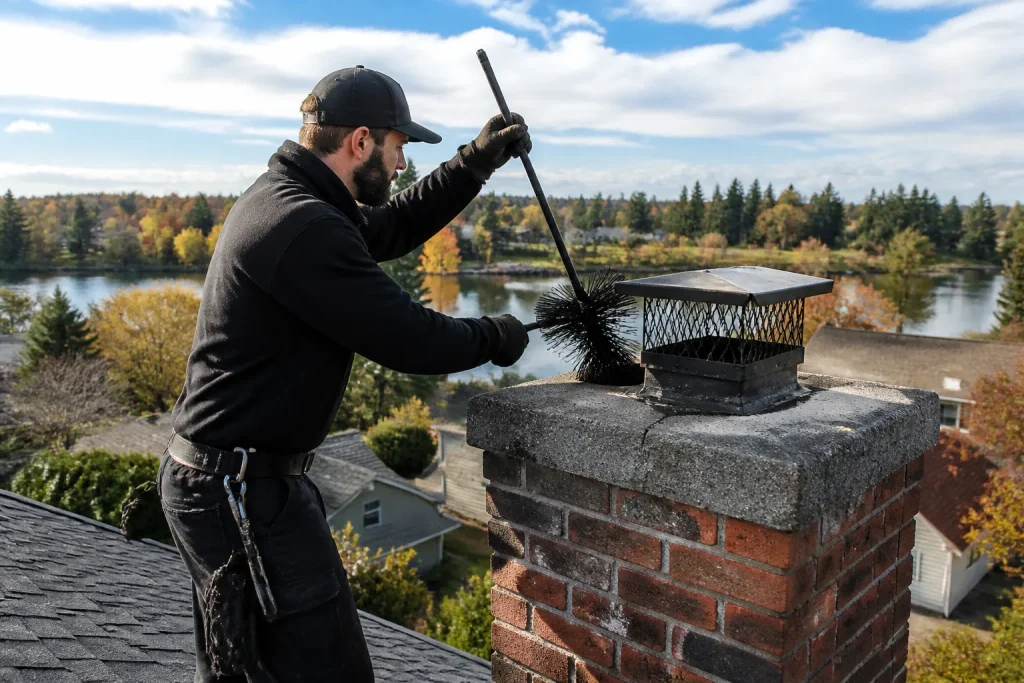
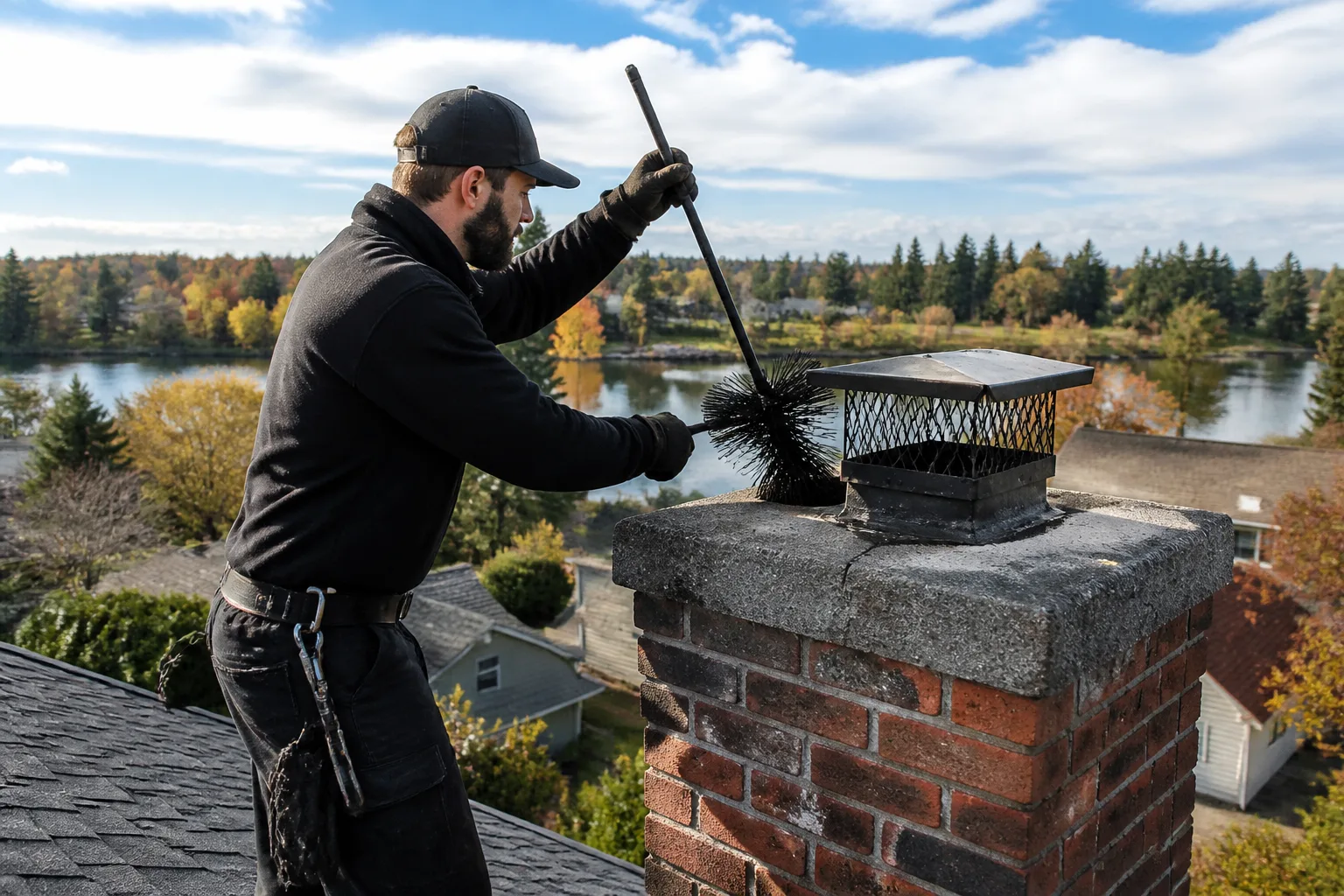
Most homeowners never see the equipment that cleans their chimney. They see a price, a schedule, and a truck in the driveway. That’s a mistake, because two sweeps can charge the same and produce entirely different results based on brush material and rod flexibility alone. Copperfield makes professional-distribution chimney supplies – brushes, rods, caps, liner parts, hand tools – and knowing what their line covers tells you why professional-grade hardware matters. If you’d rather not sort through it yourself, call (855) 550-7534 and we’ll talk it through.
What follows is an honest look at what Copperfield actually produces, how brush material behaves on different flue surfaces, and the questions worth asking before anyone starts work on your Ravenna home.
What does Copperfield actually make and distribute?
Copperfield is a supply brand, not a service company. They don’t climb on roofs or sweep flues; they manufacture and distribute the tools and components that chimney professionals use. That distinction matters because the quality of a clean depends heavily on the equipment in the technician’s hands.
Their catalog generally breaks into five categories:
- Brushes – polypropylene and wire options sized for round, square, and rectangular flues.
- Rods – flexible and rigid rod systems that determine how well a brush follows a flue’s bends.
- Caps and chase covers – multi-flue and single-flue covers built to shed water.
- Liner components – fittings and connectors used alongside flexible liner systems like DuraFlex.
- Hand tools – scrapers, hooks, and accessories for the detail work that sweeping alone doesn’t cover.
Each category exists for a reason. A brush is only as good as the rod pushing it, and a cap is only as good as the gauge of steel it’s stamped from. When a technician works with a professional-distribution supply chain, they’re starting from components made to tighter tolerances than the retail shelf offers. That’s not marketing language – it’s the difference between a brush that maintains its shape after fifty jobs and one that frays on the third.
Why does brush material matter for your flue?
Polypropylene brushes and steel brushes do genuinely different jobs. Getting the wrong one on the wrong surface is where damage starts, and most homeowners would never spot the difference by looking at the tool.
Here’s how it works in practice:
- Terra cotta flue tiles hold up well to a properly sized polypropylene brush, which is the standard for routine sweeping. Wire brushes have a place on heavy glaze or creosote, but they’re aggressive and best used by someone who knows when to stop.
- Stainless steel liners call for polypropylene only. Steel bristles on a stainless liner can scratch the surface, and scratches become corrosion points over time.
- Wire gauge on steel brushes varies, and heavier gauge is not automatically better. It’s a tool choice, not a quality contest.
On a Ravenna home with a masonry chimney, the flue tiles have likely seen decades of heating cycles. A brush that’s slightly oversized can chip tile edges. One that’s undersized leaves creosote behind. Matching brush diameter to flue dimension is a skill, and it’s the reason we take the full measure before starting. If the goal is a sweep that’s both safe and thorough, the equipment has to be right for what’s inside the flue – not just whatever’s on the truck.
Polypropylene versus steel: what’s the real difference?
Polypropylene is a synthetic bristle material. It’s flexible, it resists creosote buildup on the bristles themselves, and it won’t scar metal. Steel is stiffer and more aggressive, useful on stubborn deposits in terra cotta but risky on a lined flue unless the technician knows exactly what’s behind the wall.
In our experience, most routine chimney sweeping in Ravenna homes uses polypropylene brushes sized to the flue. Steel comes out for specific jobs: heavy glaze removal, stubborn creosote on tile, and only after inspection confirms the flue surface. That sequencing matters. Sweeping before inspection risks damaging something you didn’t know was there.
The rod matters as much as the brush. A stiff rod on a straight flue works fine. A short-radius bend or an offset flue needs a flexible rod that follows the contour without lifting the brush off the walls. Copperfield’s rod systems are built for that. Retail alternatives often aren’t, and the gap shows up as an uneven clean – one side scrubbed, one side missed.
One more thing worth flagging: brushing a liner is not a DIY job. Stainless liners are thin, and a misjudged brush or rod can puncture or crush a section without obvious warning. If your flue has a liner, leave the brushing to a trained technician.
How do Copperfield caps compare to Famco in Ravenna’s climate?
Ravenna sits in western Washington, where rain is frequent and winters are long. A chimney cap’s job is not decorative; it’s the first line of defense against water entering the flue, which is one of the most common causes of masonry damage in this climate. Gauge thickness is where the difference between brands shows up.
Copperfield and Famco both make professional-grade caps, and both are legitimate choices. The comparison comes down to a few factors:
- Steel gauge – heavier gauge holds up better against snow load, wind, and the seasonal expansion-and-contraction cycle that thin steel can’t handle.
- Fasteners – stainless hardware lasts longer than galvanized in wet climates.
- Mesh sizing – finer mesh keeps birds and larger debris out without choking airflow.
- Chase cover fit – a chase cover that doesn’t sit flush invites water in along the edges, regardless of gauge.
In our experience, both brands perform well when specified correctly for the chimney in front of them. A cap matched to your flue dimensions and roof pitch will outlast a heavier cap that doesn’t fit. The brand matters, but the fit matters more. If the existing cap is rusted through, cracked at a weld, or missing mesh, that’s a sign worth acting on before the next round of weather. We can look at it while we’re on the roof and tell you plainly whether it’s a repair or a replacement. You can read more about our chimney cap & crown work if you want the full picture.
Why do professional-supply tolerances matter for liner brushing?
Component tolerance is the gap between a part designed to spec and a part designed to roughly fit. On a liner, that gap is the difference between a brush that tracks the inside wall evenly and one that binds, skips, or catches on a seam.
Professional supply chains like Copperfield hold tighter tolerances because their customers are working professionals who need repeatability. Retail brushes are often molded to looser specs because homeowners buy them for one job. On a stainless liner, that difference is easy to feel: a well-made brush runs smoothly through the flue and touches the walls consistently. A poorly made one grabs.
HeatShield is a good example of a product line that demands the same standard. HeatShield restores damaged flue tiles from the inside, and its application requires qualified installation – it’s not a product sold at hardware stores for self-installation. A technician who carries HeatShield capability is signaling expertise beyond routine sweeping, and that expertise tends to come alongside professional-grade equipment across the board.
What should you ask a technician about their equipment?
You don’t need to micromanage the job. But a few questions tell you whether the person on your roof is working with professional-grade tools or generic substitutes.
- What brush material will you use on my flue? A straight answer tells you they know what’s inside the chimney.
- Will you measure the flue first? Any sweep worth hiring sizes the brush to the flue, not the other way around.
- What brand of brushes and rods do you carry? Professional names like Copperfield are a good sign, but listen for how they describe their choice, not just the label.
- If you find a damaged liner, what are my options? A technician with restoration capability, such as HeatShield, can describe repair paths a basic sweep company cannot.
- Will you walk me through what you found? Photos and a camera inspection aren’t extras – they’re how you make an informed decision about work that may cost real money.
None of this is about demanding a resume. It’s about understanding what you’re paying for. A sweep that can’t answer the first question isn’t necessarily a bad sweep, but it’s a reason to keep asking. Ask any technician and the answer will tell you a lot. And if your fireplace needs attention beyond a clean, we handle fireplace repair as part of the same visit.
When to call a pro (and when to wait)
A routine sweep is usually annual or every other year for a fireplace in steady use during heating season. That’s a rule of thumb, not a hard requirement. What actually determines need is how much creosote has built up, and that’s something only a camera inspection confirms.
Call us if you notice:
- A strong smoke smell in the room when the fireplace isn’t burning.
- Visible soot or creosote buildup at the flue opening.
- A cap that’s rusted, loose, or missing mesh.
- Water staining on the firebox or chimney exterior.
- Any concern about carbon monoxide, which is the reason sweeping matters in the first place. Blocked or damaged flues can let combustion gases back into a home.
If none of those apply and the last sweep was recent, it’s okay to wait. We’d rather tell you that than sell you work you don’t need. Nothing gets recommended on our truck that isn’t backed by camera evidence you can see yourself. A call outside dispatch hours is booked into the next opening, Sunday through Friday, 7am to 7pm – and a Saturday call gets you the first available slot on Sunday. If you’d like us to look at a chimney sweep for your home, or talk through what a sweep would cover in Ravenna, we’re glad to help.
The Bottom Line
Copperfield makes the tools, not the clean. But those tools – brushes, rods, caps, liner components – determine how well the job goes. Brush material should match the flue surface. Rods should fit the flue’s shape. Caps should be sized to the chimney, not pulled off a shelf. In Ravenna’s wet climate, cap and chase cover gauge matters as much as anything else.
You don’t need to memorize brands to hire well. You need to know the right questions and recognize a technician who answers them clearly. Our technicians have up to 10 years of experience, work with professional-grade brands like DuraFlex, HeatShield, Copperfield, and Famco, and handle inspection, sweeping, cap and crown work, and structural repair under one roof – so the findings and the fix come from the same source. You can find the full picture on our Chimney Sweep Ravenna page.
If you’re in Ravenna and need help, Chimney Sweep Ravenna offers free estimates – call (855) 550-7534. We answer 24/7. Fast dispatch from 7am to 7pm, Sunday through Friday. The estimate is free, the price is set per job by the written estimate, and nothing on the list gets recommended without camera evidence you can see for yourself.
Frequently Asked Questions
It’s not a service – it’s a description of the equipment a technician uses. Copperfield is a professional-distribution supply brand that makes brushes, rods, caps, liner components, and hand tools. A sweep working with Copperfield hardware is using professional-grade supplies rather than retail substitutes. It’s a quality signal, but you still want to see camera inspection and a clear written estimate.
It can, depending on the surface. Wire brushes are aggressive and can scratch stainless liners, which creates corrosion points over time. On terra cotta tiles they have a role for heavy creosote, but only in trained hands and only after the flue is inspected. Polypropylene is the safer choice for routine sweeping on either surface. If your flue has a liner, have a professional do the brushing – a misjudged brush can damage thin liner sections.
Annual sweeping is the usual baseline for a fireplace in regular use through heating season. If the fireplace sees less use, every other year can be reasonable. The real test is how much creosote has accumulated, and that’s what camera inspection confirms. Ask for photos and a clear recommendation – if sweeping isn’t needed yet, a good technician will say so.
Yes, plan to be there. The technician needs access to the firebox, the roof or chase cover, and any attic or crawlspace connection points. Being on hand also lets you see the inspection findings as they come in and ask questions before work starts. It’s the same reason we walk homeowners through camera evidence rather than handing over a report after the truck leaves.
Written by the team at Chimney Sweep Ravenna.
Need Chimney Cleaning Help?
Call Chimney Sweep Ravenna - the local pro we connect you with is licensed and insured, here with fast help in Ravenna.
(855) 550-7534