
Last updated November 25, 2026
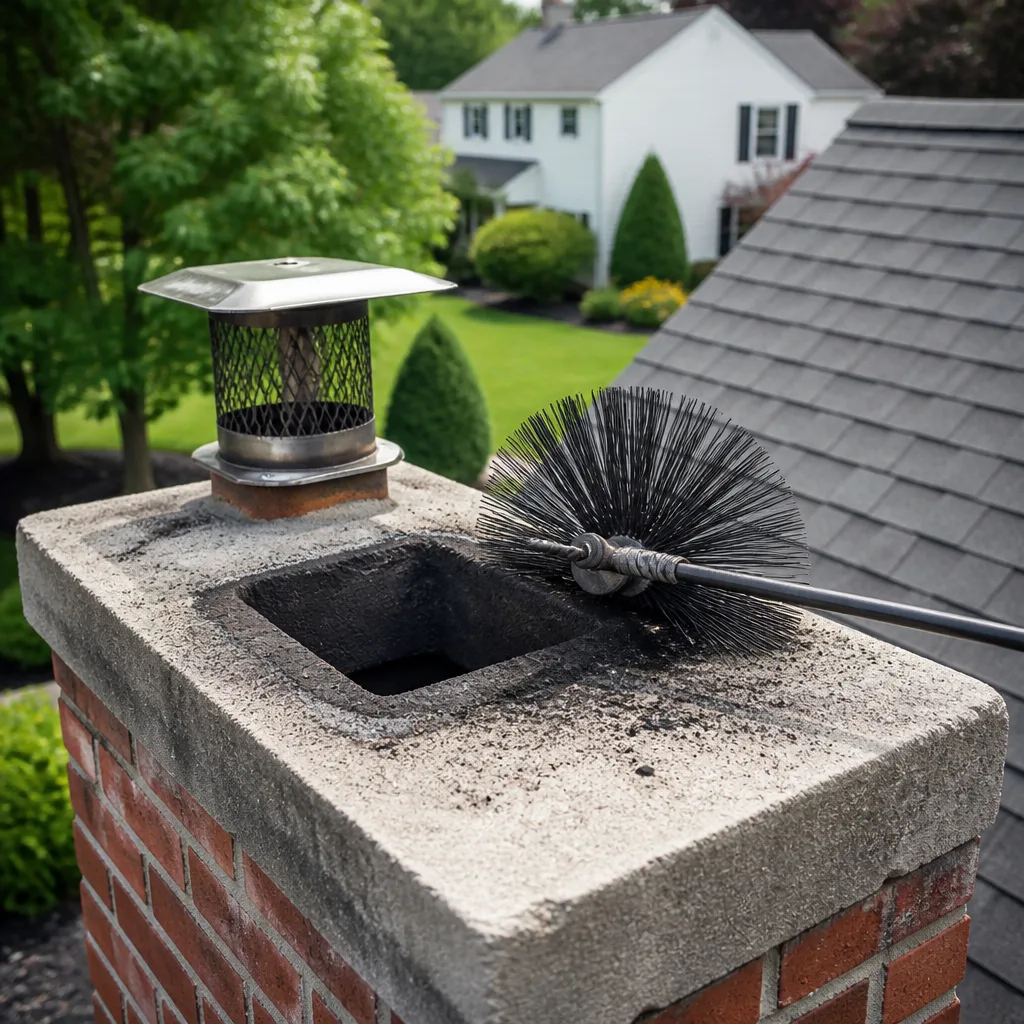 Sweep & inspection
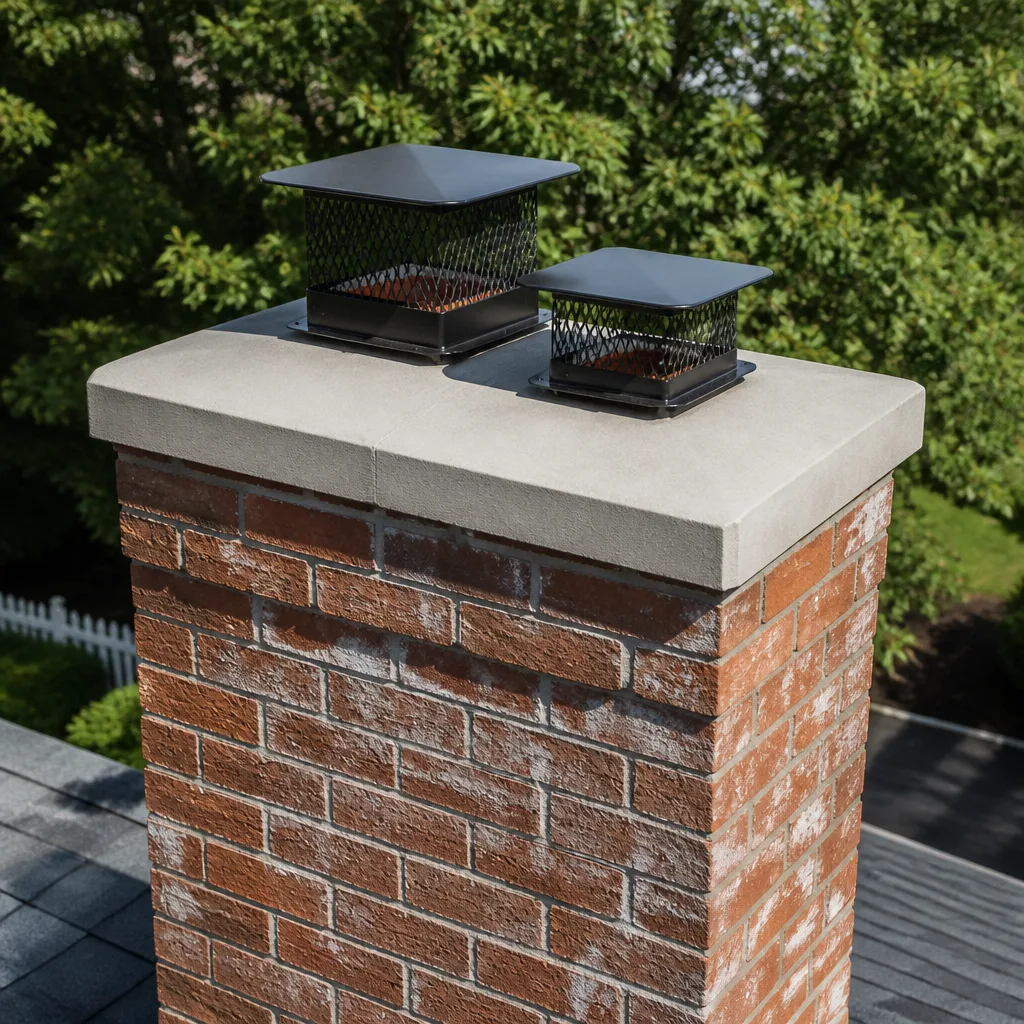 Caps & crowns
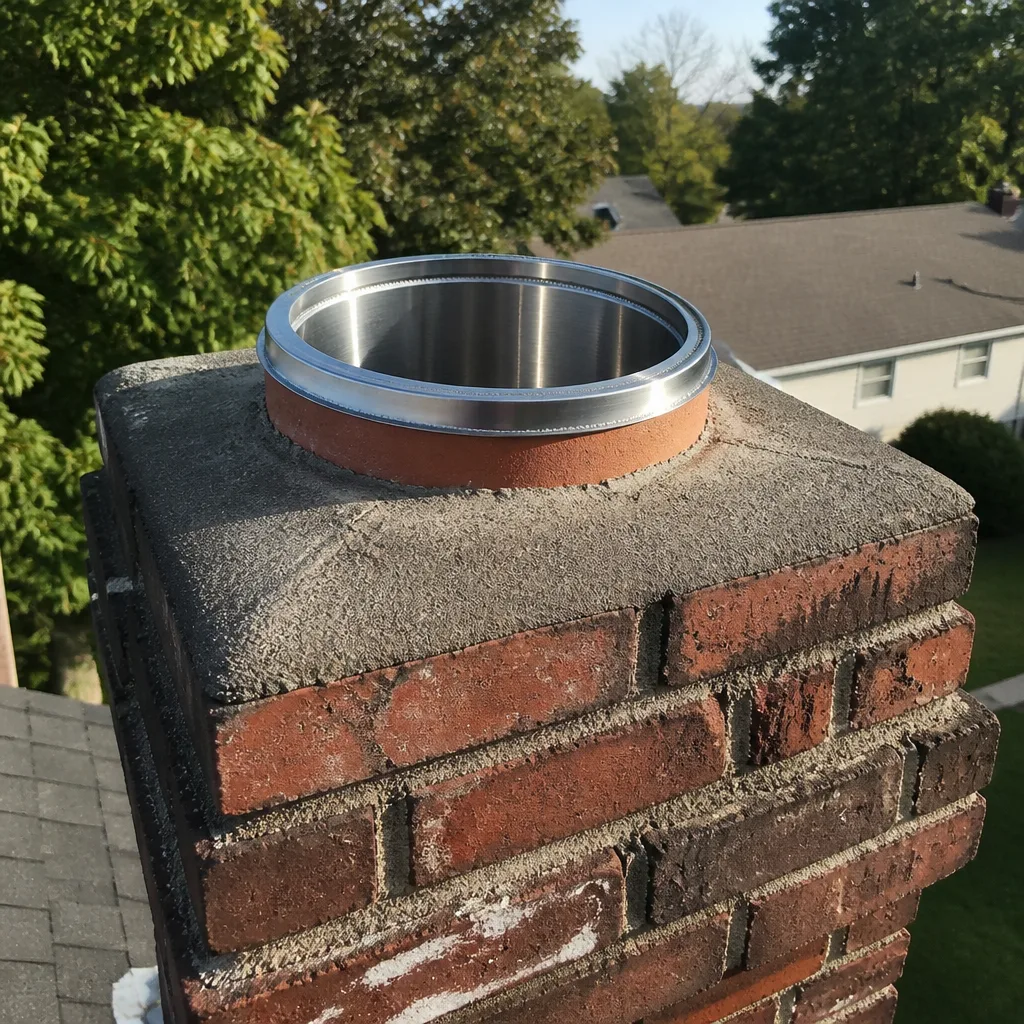 Flue relining
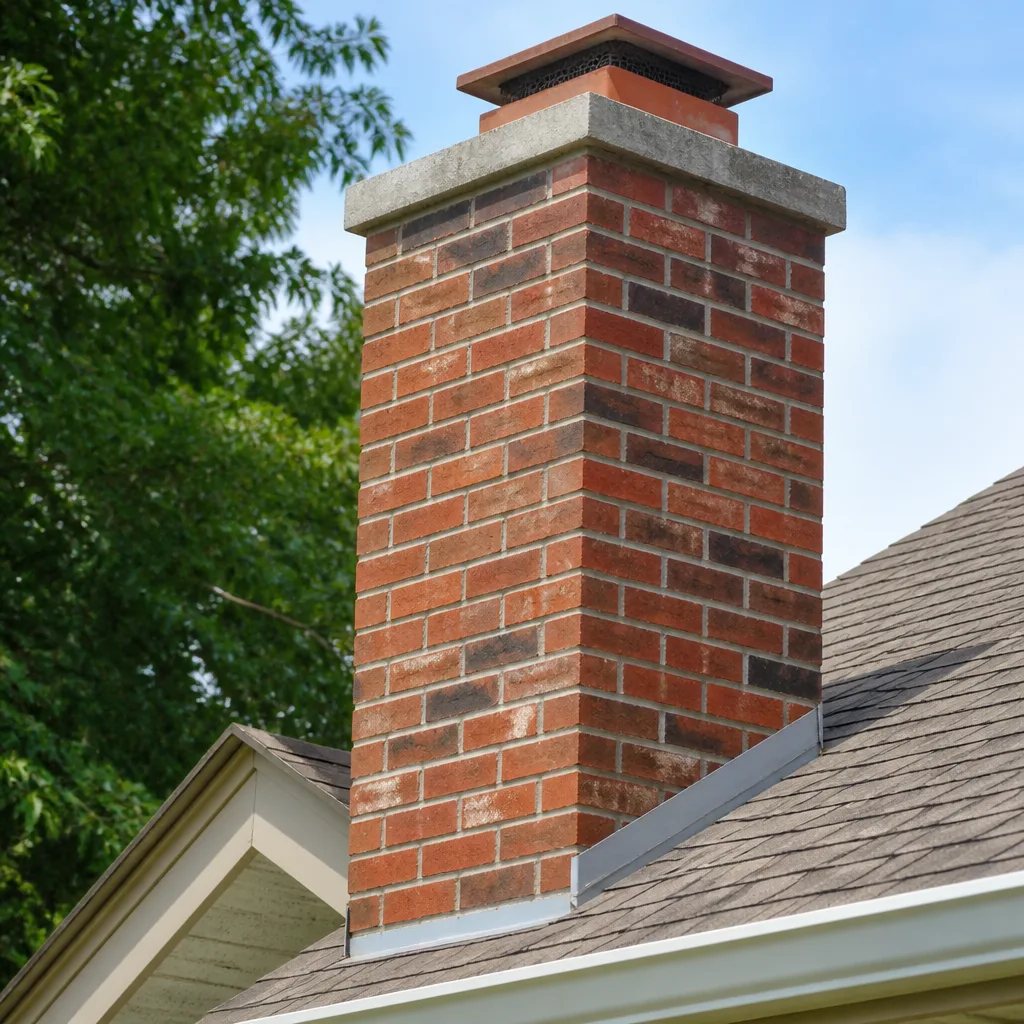 Masonry repair
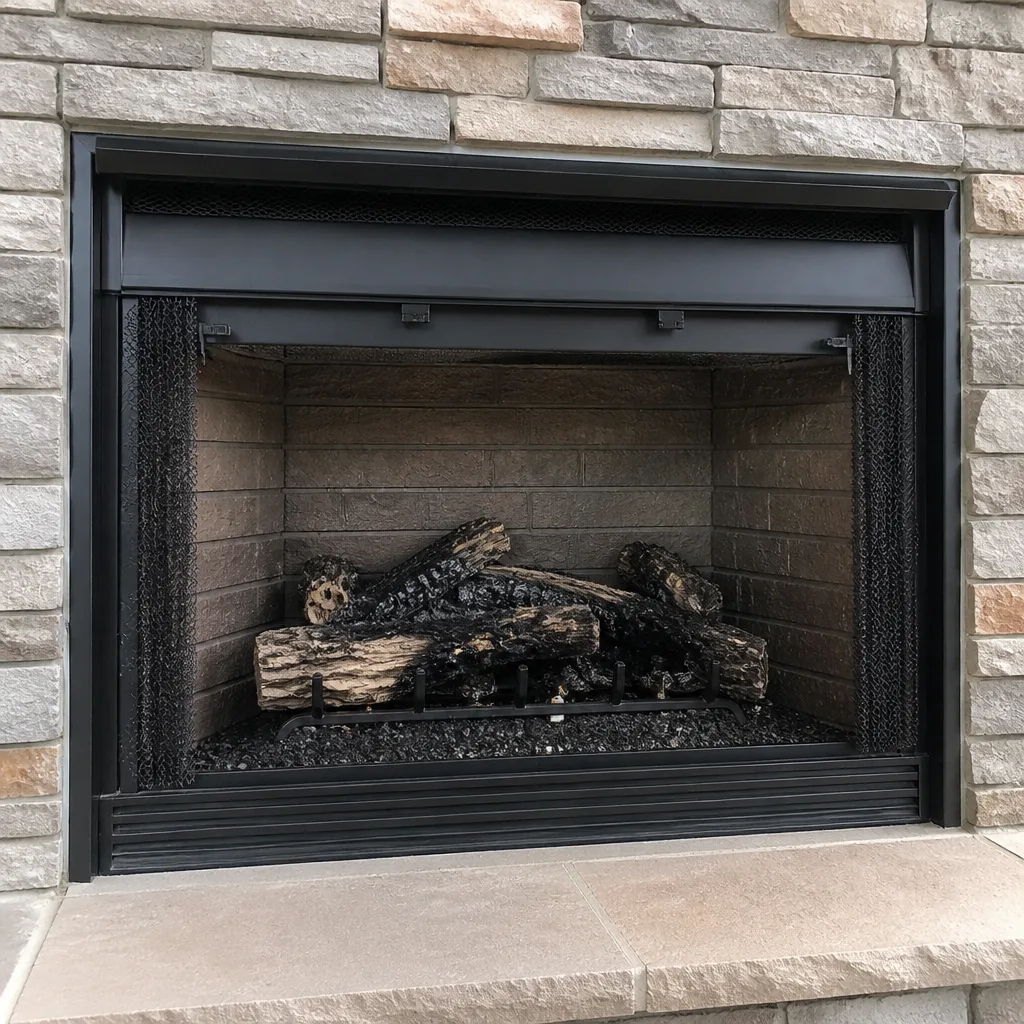 Gas fireplace service
Level 1 sweep and inspection to the NFPA 211 annual standard - flue, crown, cap, and flashing checked and photographed
Chimney sweep logs do not sweep chimneys. They loosen some creosote - which then falls where a brush and vacuum still have to collect it.
Choosing the Right Chimney Cleaning Brand: A Buyer’s Guide for Ravenna
No building code forces a chimney contractor to install a commercial-grade liner. A contractor can legally put a low-cost flex liner into a fireplace application rated far hotter than that liner can handle, hand you a receipt that says “liner replaced,” and walk away. You’d never know the difference until a flue fire or an insurance claim exposed it. The brands behind your chimney work – the liner alloy, the refractory material, the cap assembly – decide whether you get an installation rated to last decades or a patch that needs redoing in a few years. In this guide, we explain what DuraFlex, HeatShield, and Copperfield products actually are, what they’re rated for, how to verify a contractor installed what they quoted, and why Ravenna homeowners should ask which brands a contractor stocks before accepting any chimney quote.
Quick Answer
The right chimney brands are the ones rated for your specific application: a DuraFlex SS316 stainless liner for wood-burning flues, HeatShield Cerfractory for restoring a damaged masonry flue, and Copperfield for brushes, caps, and chimney components. Ask any contractor which brands and alloys they’ll install, verify the product name on the invoice, and insist on manufacturer-backed documentation. A chimney sweep or repair done with professional-grade materials is the only version that comes with a real warranty.
Styles & brands we work with
- Sweep & inspection
- Caps & crowns
- Flue relining
- Masonry repair
- Gas fireplace service
Table of Contents
- Why chimney brands matter more than most homeowners realize
- DuraFlex: SS316 vs. SS304 liners explained
- HeatShield Cerfractory: what it actually is and what it repairs
- Copperfield and the supply-chain signal
- How to verify the branded product was actually installed
- Warranty differences between branded and unbranded systems
- Ravenna climate and housing: why the brand choice matters here
- Questions to ask before you accept a chimney quote
Why chimney brands matter more than most homeowners realize
A chimney is not a decorative feature. It is a pressure vessel, a vent, and a fire-containment system at the same time. The materials inside it operate in conditions that eat ordinary metal and ordinary mortar: creosote-laden exhaust, moisture, temperature swings, and the occasional creosote fire that pushes interior temperatures past 2,000°F. The gap between a good liner and a poor one is not a gap of slightly less durability. It’s a gap of rated safety.
Here’s the part most homeowners never hear in a sales conversation. There is no building code that mandates commercial-grade materials in every chimney application. The code sets performance expectations – clearance to combustibles, flue sizing, listing requirements for certain components – but a contractor with a truck and a supplier account can still choose a low-cost component that meets the letter of a listing without offering the service life a professional-grade product does. The material selection is a professional judgment call, and it’s the part you’re paying a specialist for.
In Ravenna, that judgment call plays out against a specific backdrop: wet winters, older housing stock in neighborhoods like Ravenwood and Hillside, and a mix of masonry and prefabricated fireplaces. A liner that performs in a dry climate can struggle here if it’s the wrong alloy or an unlisted assembly. This is why a dedicated chimney sweep in Ravenna focuses on brands that are designed for wet climates and heavy use cycles.
Professional-grade brands like DuraFlex, HeatShield, Copperfield, Famco, and Olympia Chimney are specified by chimney engineers because they carry published ratings and manufacturer documentation. That documentation is the difference between a contractor’s verbal promise and a warranty you can actually use.
DuraFlex: SS316 vs. SS304 liners explained
Stainless steel is not one material. The alloy number on the spec sheet is the whole ballgame. For wood-burning chimneys, the standard professional specification is SS316, a molybdenum-bearing stainless steel that resists chloride and acid attack far better than the more common SS304. SS304 is not a bad alloy. It’s just the wrong choice for the inside of a wood flue in a wet climate.
Here’s why it matters in practical terms. When wood burns, the exhaust carries water vapor, sulfur compounds, and trace chlorides that condense on the liner surface as the flue cools. That condensate is acidic. Over time, SS304 develops pitting and eventually perforation – a process that accelerates in a climate like Ravenna’s, where humidity stays high through many months of the year. SS316 handles the same environment with substantially more corrosion resistance. Both are stainless. Only one is the right spec for the job.
| Liner Alloy | Best For | Wood Flue Suitability |
|---|---|---|
| SS304 | Gas and oil appliances, dry applications | Not recommended |
| SS316 | Wood, multi-fuel, wet climates | Professional standard |
DuraFlex is one of the professional-grade liner systems we install because the company publishes its alloy specs and temperature ratings per product line, which means the homeowner can verify exactly what went in. The liner is also protected by a manufacturer warranty, which matters more than most people realize – see the warranty section below.
One safety note here: an installed liner can look identical from the outside whether it’s SS304 or SS316. That is exactly why paperwork and packaging matter, and why a contractor who will show you the labeled box before installation and list the alloy on the invoice is the one you want.
The insulation question
A stainless liner is only part of the system. Whether it’s wrapped in insulation – and to what spec – affects how fast the flue warms up, how much creosote forms, and how the liner performs in an exterior-wall chimney. In our experience in Ravenna, exterior-wall chimneys running wood benefit from an insulated liner assembly far more than interior-wall chases do, because the exterior wall pulls heat out of the flue faster. This is a material-selection decision, not a sales add-on, and a specialist should be able to explain why they recommend one or the other for your specific flue.
HeatShield Cerfractory: what it actually is and what it repairs
HeatShield Cerfractory is a ceramic-cement refractory material – a compound engineered to bond to a damaged masonry flue and rebuild it from the inside out. It is not the same as standard refractory mortar. Standard mortar is a cement-sand mix designed for new masonry work. Cerfractory is a formulated product that gets troweled, sprayed, or cast onto an existing flue, and when it cures it forms a hard, heat-resistant surface that can restore a clay-tile flue that has cracks, gaps, or spalling tile.
Why this matters: the alternative to a HeatShield restoration is often a full liner installation, which is more invasive and more expensive. HeatShield is the professional answer when the flue is structurally capable of holding the material but not currently safe as-is. It’s also a capability marker – this is not a product a general handyman keeps on the truck. It’s a product installers train on and apply with specific equipment.
HeatShield application requires the flue to be swept and inspected first, the repair to be sized and prepared, and the material to be applied under specific temperature and mixing conditions. The finished surface has a published UL listing for use in the applications the manufacturer specifies, and the contractor applying it should be carrying that installation paperwork on the job.
We’ve used HeatShield for situations where a homeowner was told they needed a full liner replacement and the actual flue condition supported a restoration. The opposite happens too – a flue that looks fine from the top can be too far gone for HeatShield once a camera goes down. Nothing is recommended without the camera evidence that supports it. If your flue passes inspection and the repair can wait, we say so. If you want to see how that inspection and repair process fits a single-source approach, a fireplace repair visit is where most of this starts.
Copperfield and the supply-chain signal
You can tell a lot about a chimney contractor by the aisle of the supplier they shop. A company that buys from professional-tier brands – Copperfield, Famco, Olympia Chimney, DuraFlex – is buying from distributors that also serve certified chimney engineers, and those distributors set expectations. They expect contractors to know product specs, to install listed assemblies, and to submit warranty documentation.
Copperfield products show up in a specialist’s work constantly: brushes sized to flue type, chimney caps, components for prefab systems. The brand is a fixture in the professional chimney trade. When you see it used consistently alongside DuraFlex and HeatShield, you’re looking at a contractor whose supply chain and training reflect a dedicated trade, not a generalist buying whatever’s on the shelf.
This is worth internalizing because it’s one of the hardest parts of vetting a chimney contractor. You can’t look at a cap and know which manufacturer made it once it’s on the roof. You can’t inspect a brush. But you can ask which brands a contractor uses, and their answer – specific brand names vs. “we use whatever’s good” – is a real signal.
Consistent brand sourcing matters in prefab fireplaces too. These systems have manufacturer-specific components, and a contractor who knows the Copperfield and Famco lines is comfortable working across both masonry and prefab applications without referring you out. That single-source capability is why we do the sweep, the cap and crown work, and the structural repair with the same crew. You can see how that ties together on our chimney cap & crown page.
How to verify the branded product was actually installed
This is where trust meets paperwork. A contract that says “liner installed – $X” is a contract that leaves you relying entirely on the contractor’s honesty. A professional contractor makes verification easy because they’re proud of the materials they use. Here’s what to look for.
- Ask for the product name and alloy on the quote. “DuraFlex SS316 flex liner, 6 inch, insulated” is a real line item. “Flex liner” is not. If the quote doesn’t name the product, ask before you sign.
- Look at the packaging before installation. The labeled carton ships with the product and names the manufacturer, part number, and alloy. A reputable contractor will let you see it. If you’re not home during the work, ask for a photo of the labeled packaging.
- Check the invoice after the job. A commercial-grade installation references the manufacturer and product line on the invoice – not as marketing, but because the contractor is documenting the warranty registration.
- Get the manufacturer warranty documentation. DuraFlex and HeatShield and similar brands issue warranty registration to the property, not just the contractor. You should have that paperwork in hand at the end of the job.
- Confirm the material spec matches the application. A wood-burning flue should have an SS316 liner. A gas appliance can accept SS304. If the spec on the invoice doesn’t match the application, ask why.
- Look for the certification stamp on refractory repairs. HeatShield applications are documented per job. Ask for the completion record.
The point isn’t to catch a contractor. The point is that any professional-grade installation comes with a paper trail, and any contractor who won’t produce the trail is telling you something you need to hear.
Warranty differences between branded and unbranded systems
A branded liner comes with a manufacturer warranty that follows the product, not the contractor. If the liner fails in year eight because of a defect or a spec mismatch, the manufacturer is the backup. DuraFlex backs its liner systems. HeatShield backs its Cerfractory installations through the certified applicator program. Those warranties only exist because the product is identifiable.
An unbranded liner or a generic refractory patch often carries no manufacturer warranty at all – or a warranty a homeowner cannot enforce, because there’s no manufacturer name attached to the installation and no registration on file. If the original contractor is out of business in a decade, the homeowner has no recourse.
Where this gets serious is insurance. After a chimney fire, an adjuster will ask what failed and whether the components were installed to code and manufacturer specification. A branded liner with registration documentation makes that conversation straightforward. An unrecognizable installation – no manufacturer name, no submitted spec, no registration – invites a denial or a long claims fight. Nobody wants to be in that position, and the fix is arriving at it with paperwork.
What the warranty doesn’t cover
Manufacturer warranties protect against product defect and, in some cases, installation defect when the installation is done correctly. They don’t cover damage from a creosote fire caused by skipped maintenance, or from a flue that was oversize for the appliance. Which is why the sweep schedule still matters – the warranty protects materials, not maintenance.
Ravenna climate and housing: why the brand choice matters here
Ravenna sits in a wet climate with cool, damp winters and humidity that lingers through spring and fall. That has direct consequences for chimney materials. Liners experience more condensate exposure than they would in a drier climate, and masonry chimneys see more freeze-thaw cycling on exterior surfaces. The housing stock adds to it: many homes in neighborhoods like Ravenwood and around the older blocks near downtown have masonry chimneys built decades ago, and prefab inserts in newer construction scattered through the east side. Both kinds need brand-appropriate materials, but for different reasons.
In masonry chimneys, the biggest brand decision is usually the flue interior – HeatShield for restoration when the flue is structurally sound but cracked, or a DuraFlex SS316 liner when the flue needs a full lined assembly. In prefabricated fireplaces, the brand decision centers on venting components and caps, which need to match the appliance manufacturer’s specs. Famco and Copperfield parts belong in that conversation.
Wood-burning households in Ravenna deal with a second brand-sensitive issue: creosote. Damp climate accelerates creosote formation in a cool flue. A properly insulated liner and a correctly sized appliance reduce that – a cheap uninsulated liner doesn’t. This is one of the reasons we spend as much time on material spec as we do on the sweep itself.
Our technicians have up to 10 years of experience working with these brands across both masonry and prefab applications in the Ravenna area, and the material selection conversation is usually the most useful part of the visit for a homeowner.
Questions to ask before you accept a chimney quote
The right questions sort good quotes from bad ones quickly. Write these down before you call anyone.
- “What brand and alloy liner will you install?” Expected answer: a specific brand name and an alloy number (SS316 for wood, SS304 acceptable for gas).
- “Will you show me the labeled packaging before installation?” A commercial-grade contractor says yes without hesitation.
- “Is the liner insulated, and why or why not?” There’s a real answer for your flue. A generic one is a warning sign.
- “Does the HeatShield application come with the manufacturer completion record?” It should if HeatShield is being used.
- “What’s in the warranty, and is it registered to me or the contractor?” The right answer is: to the property, with paperwork in your hands.
- “What brand brushes and caps do you use?” Copperfield, Famco, and Olympia Chimney are the kinds of names a specialist will volunteer.
- “Can I see the camera evidence before you recommend repair?” Any specialist should say yes. If they won’t, don’t proceed.
You can also see how a full chimney sweep and inspection fits around those questions on our service page – the inspection is where all of these conversations begin.
Common Mistakes to Avoid
- Accepting “liner replacement” as a line item with no brand named. The contract should say which product and which alloy. Two sentences of precision protects you from a decade of unknowns.
- Assuming SS304 and SS316 are interchangeable. They’re both stainless, and they are not the same material for a wood flue in a wet climate. Insist on the alloy spec for wood-burning applications.
- Buying the cheapest bid without checking what’s inside it. The lowest quote almost always reflects a generic liner and generic refractory. The savings disappear the first time the flue needs redoing.
- Skipping the camera inspection to save time. Every recommendation in this guide assumes a camera went down the flue first. No camera, no recommendation – that’s the rule we work by.
- Throwing away the manufacturer warranty paperwork. If you ever file an insurance claim after a chimney fire, that document is the difference between a clean process and a contested one. Keep it with your home records.
- Letting a general contractor do chimney work. Chimney materials and venting specs are a specialty. A generalist may technically complete the job; a specialist is the one who understands why SS316 matters, what HeatShield can and can’t repair, and how prefab venting needs to match the appliance.
- Hiring a Ravenna contractor who won’t name their brands on the quote. In a market with multiple chimney specialists, “we use good materials” is not an answer. The brand is the answer.
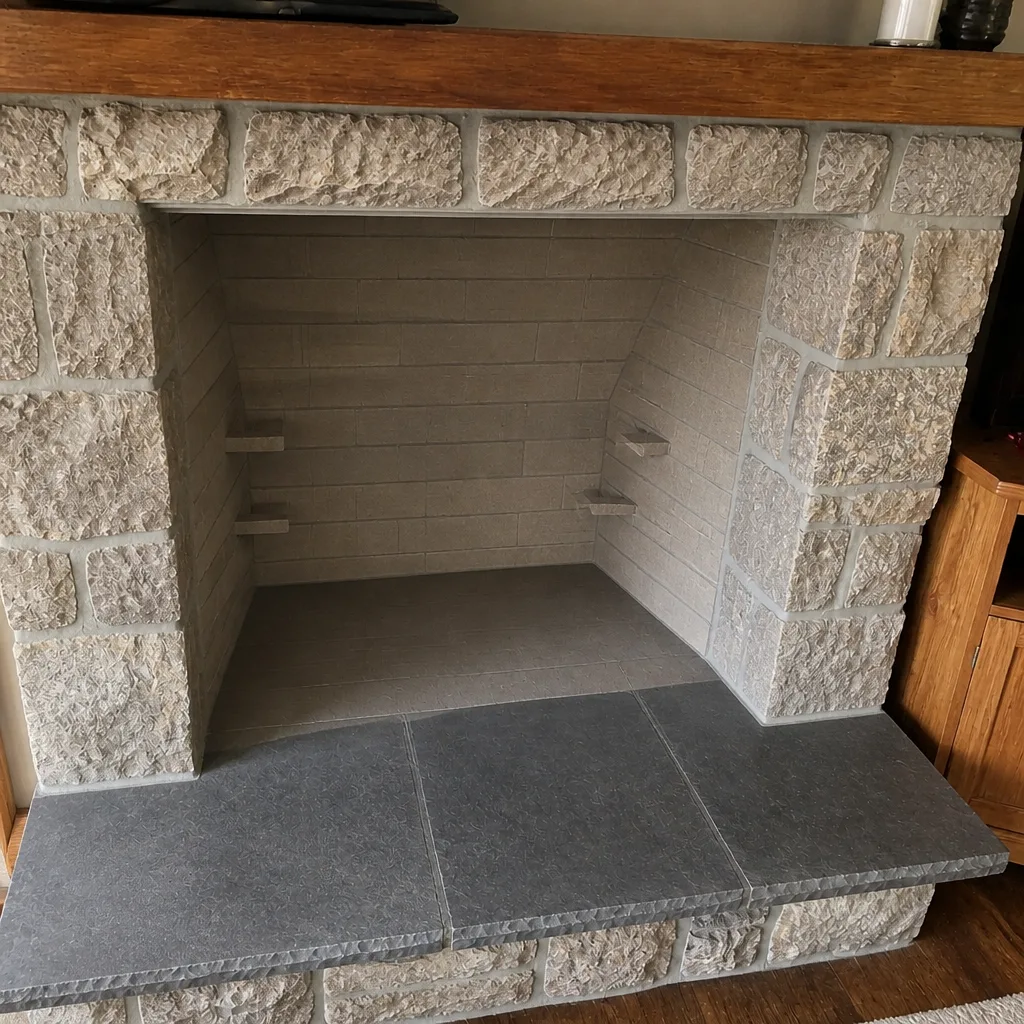
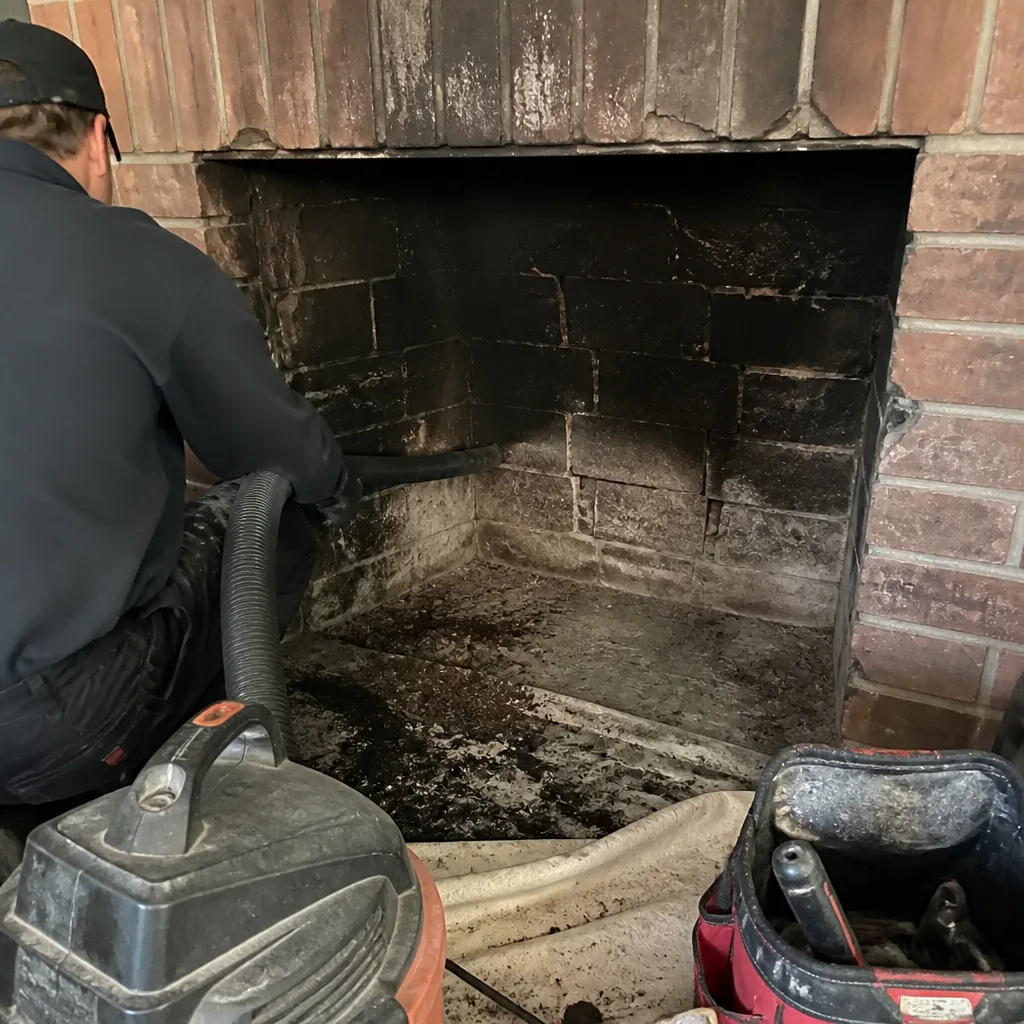
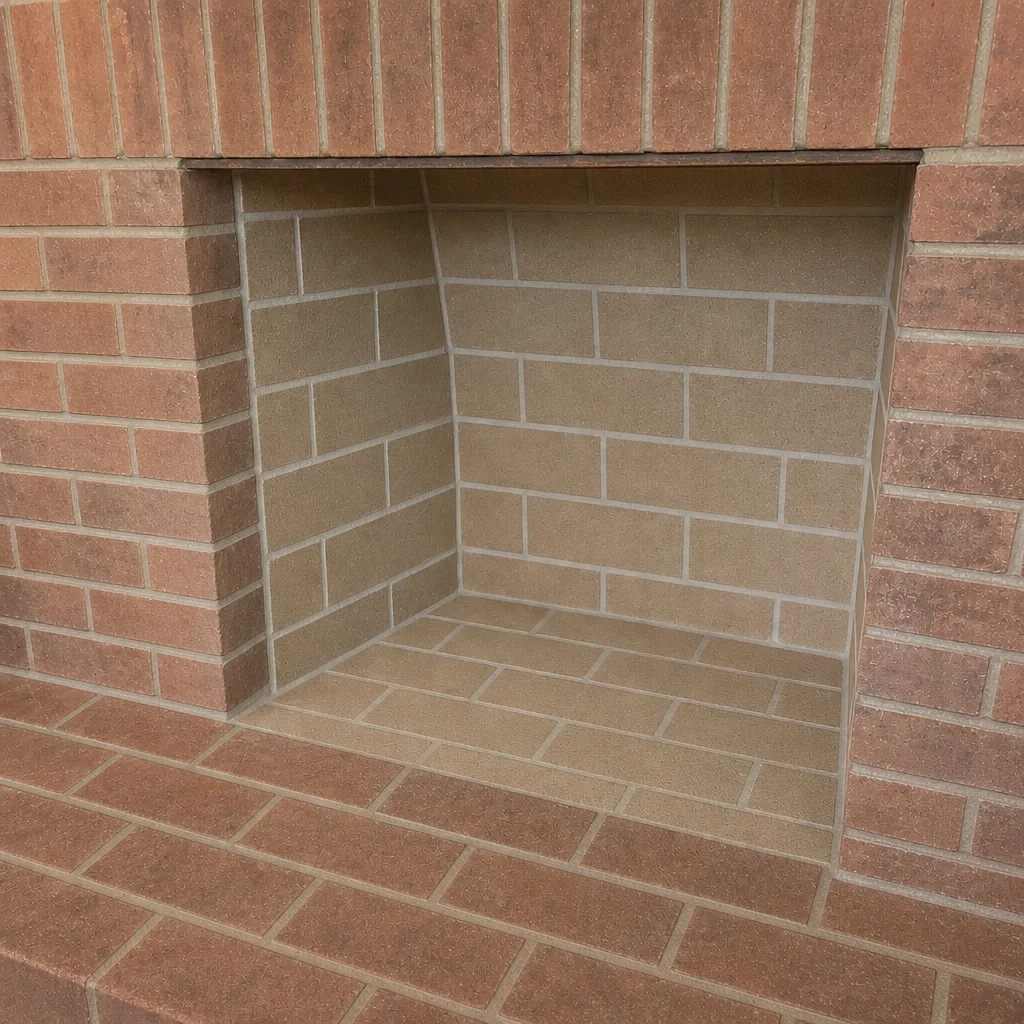
See the difference
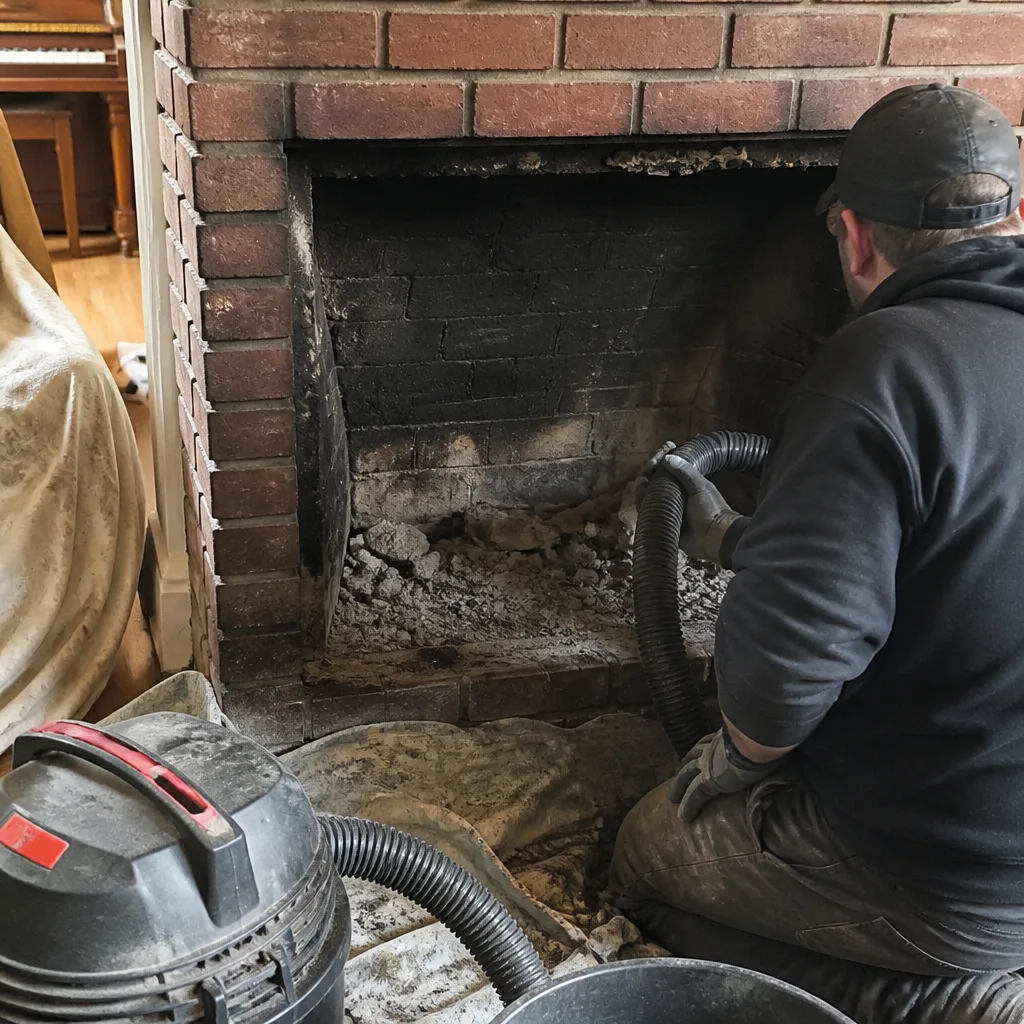 Before
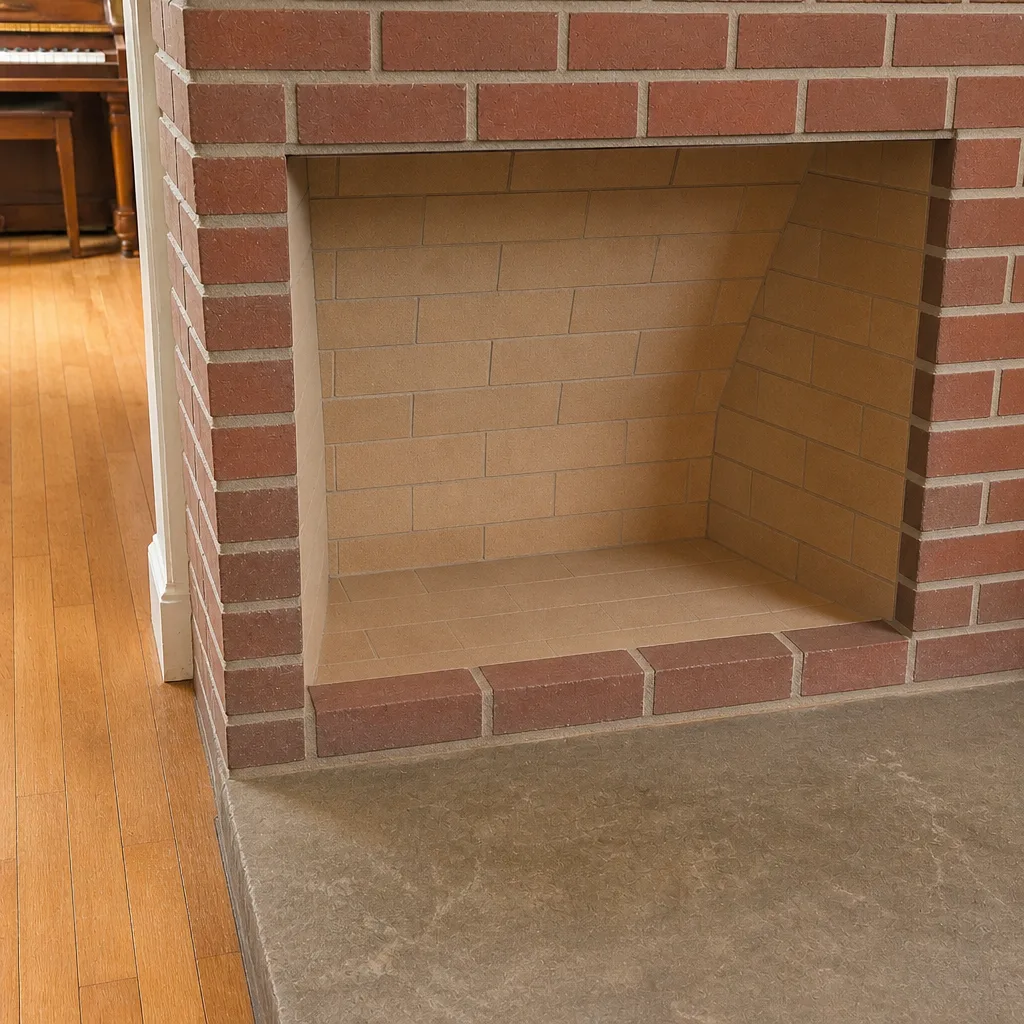 After
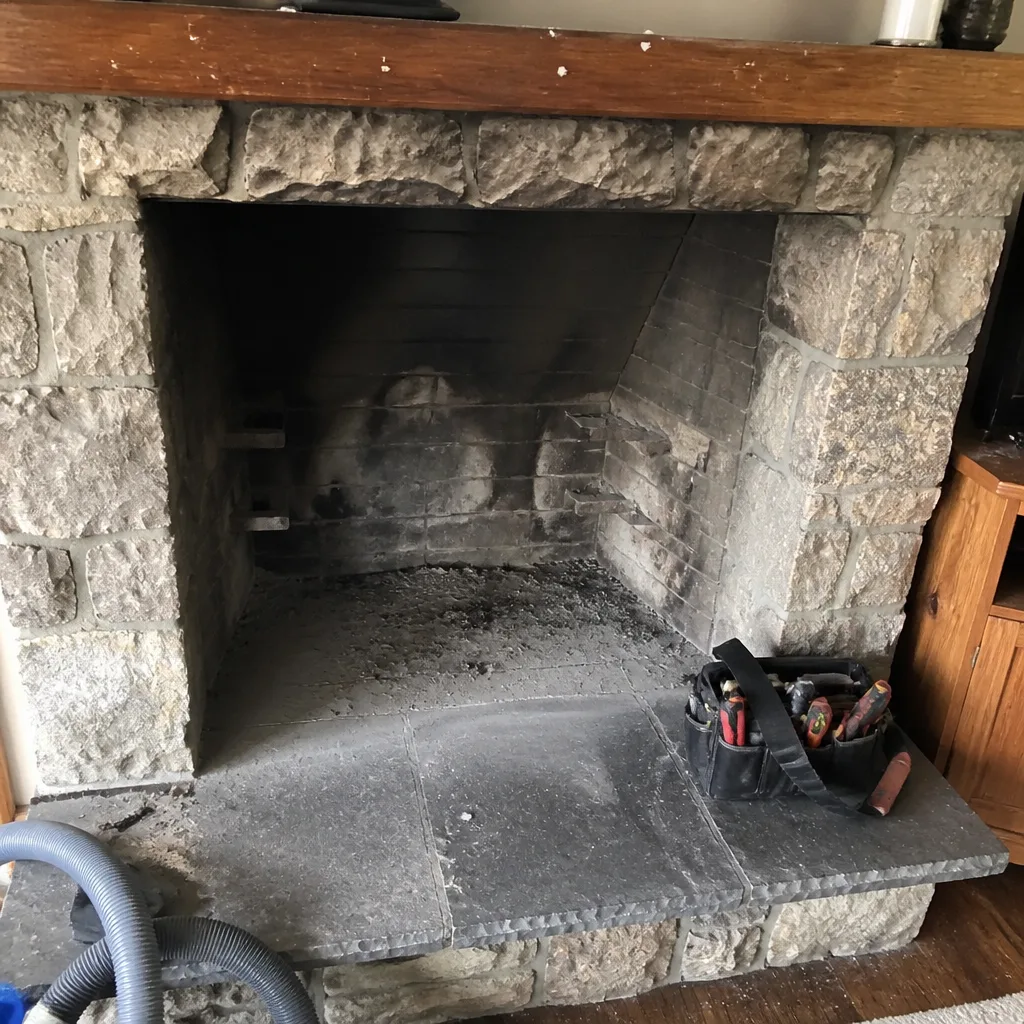 Before
 After
 Before
 After
When to Call a Professional
Call a specialist when your liner alloy or installation brand is unknown, when a contractor has quoted a liner without specifying product or material, when your masonry flue has visible cracks or spalling, when a chimney fire has occurred, or when a prefab fireplace is due for annual service and the venting components need to match the original appliance. Call a professional too if your insurance carrier has asked for documentation of the flue assembly and you can’t produce it – that’s exactly the situation brand-specific knowledge clears up. In Ravenna, Chimney Sweep Ravenna offers free estimates on chimney work – call (855) 550-7534. We answer 24/7. Fast dispatch from 7am to 7pm, Sunday through Friday. Nothing gets recommended without the camera evidence that supports it, and if the work can safely wait, we’ll tell you.
Frequently Asked Questions
SS316 and SS304 are both stainless steel flex liner alloys, but SS316 contains molybdenum that makes it far more resistant to chloride and acid attack from wood combustion condensate. For wood-burning applications in a wet climate like Ravenna’s, SS316 is the professional standard; SS304 is acceptable for gas appliances but not recommended for wood flues. Ask any contractor to specify which alloy they’re installing – the price difference is small next to the cost of a premature liner failure. Call (855) 550-7534 for a free estimate on your specific flue.
HeatShield Cerfractory is a formulated ceramic-cement refractory material applied inside a masonry flue to restore cracked or spalled clay tile. Standard refractory mortar is a cement mix for new masonry construction – a different product for a different job. HeatShield is applied by trained installers and carries a UL listing for the applications it’s designed to repair. It’s an alternative to a full liner replacement when the flue is structurally sound enough to support it. Call (855) 550-7534 to discuss whether HeatShield fits your chimney.
Ask for the product name and alloy on the quote, look at the labeled packaging before installation, and confirm the invoice references the manufacturer and product line. Request manufacturer warranty documentation in your hands at the end of the job. Any professional-grade installation comes with a paper trail, and any contractor who won’t produce one is telling you something. Call (855) 550-7534 for a free estimate and we’ll walk you through exactly what goes on the paperwork.
Yes. After a chimney fire, an adjuster will ask what failed and whether the components were installed to code and manufacturer specification. A branded liner with registered documentation makes that conversation clean. An unrecognizable installation with no manufacturer name, no product spec, and no registration invites a denial or a prolonged fight. The branded product costs more up front and is worth every bit of it in that moment. Call (855) 550-7534 for a free estimate.
A dedicated chimney specialist in Ravenna should be using professional-tier brands – DuraFlex for liners, HeatShield for masonry restoration, Copperfield and Famco for brushes, caps, and components, Olympia Chimney where the system calls for it. Those are the brands specified by certified chimney engineers, and their use signals a contractor whose supply chain and training are in the professional chimney trade. If a contractor can’t name their brands, ask why. Call (855) 550-7534 for a free estimate.
That decision depends entirely on the actual condition of the flue, determined by a camera inspection. HeatShield is appropriate when the flue has cracks or spalling but remains structurally capable of holding the material. A full DuraFlex SS316 liner is the right call when the flue is too far gone for restoration or when the liner needs to be fully contained. Nothing should be recommended without camera evidence the homeowner can see. Call (855) 550-7534 for a free inspection and estimate.
The Bottom Line
Chimney brands aren’t marketing. They’re the paper trail that separates a commercial-grade installation from a consumer-grade patch. DuraFlex SS316 is the right alloy for a wood flue in a wet climate. HeatShield is the professional tool for restoring a masonry flue that doesn’t need a full liner. Copperfield, Famco, and Olympia Chimney signal a specialist whose supply chain lives in the professional chimney trade. Ask which brand a contractor stocks before you accept any quote. Verify the product on the packaging and the invoice. Keep the warranty paperwork. Those three habits protect your home, your safety, and your insurance position for the life of the chimney.
If you’re ready to see what your flue actually needs – not just what the last quote said – call (855) 550-7534 for a free estimate. We answer 24/7. Fast dispatch from 7am to 7pm, Sunday through Friday. Camera evidence before every recommendation, and a straight answer on whether the work can wait.
Written by the team at Chimney Sweep Ravenna.