
Last updated November 25, 2026
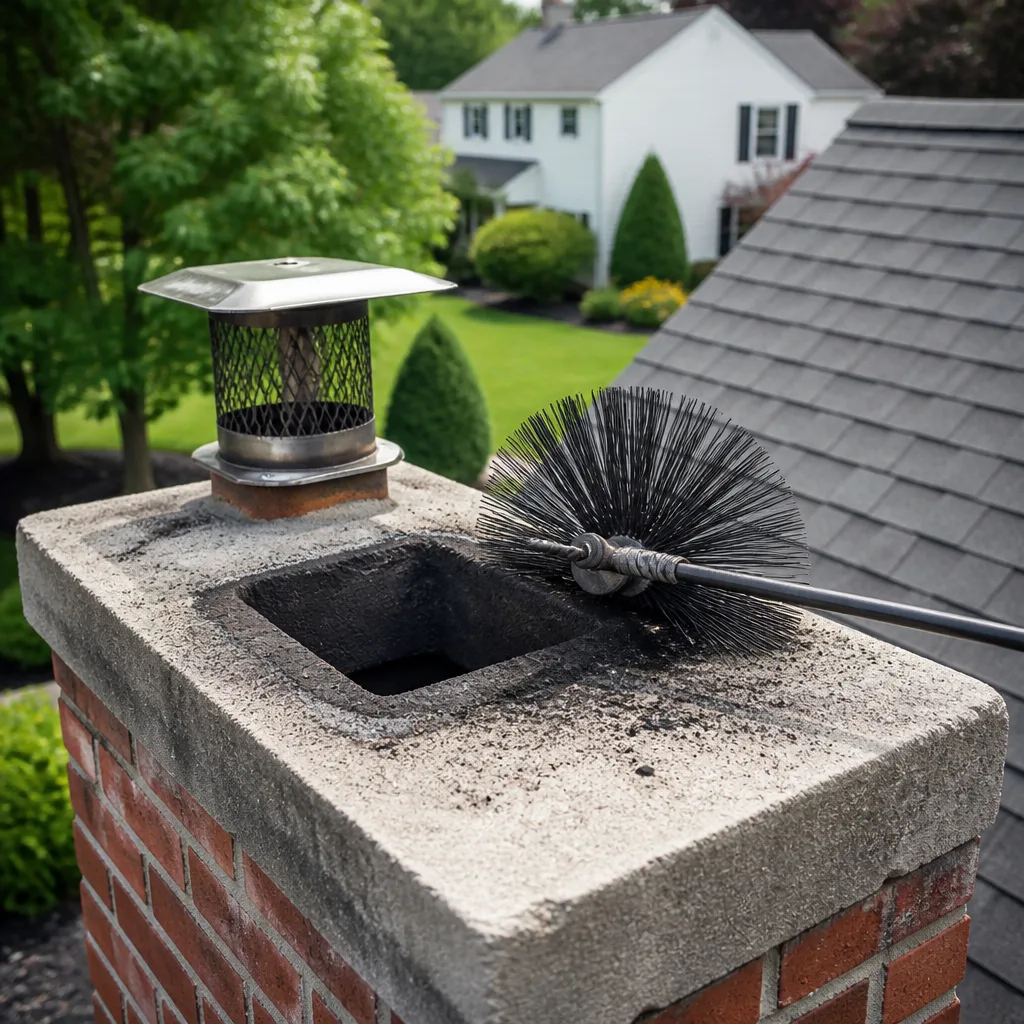 Sweep & inspection
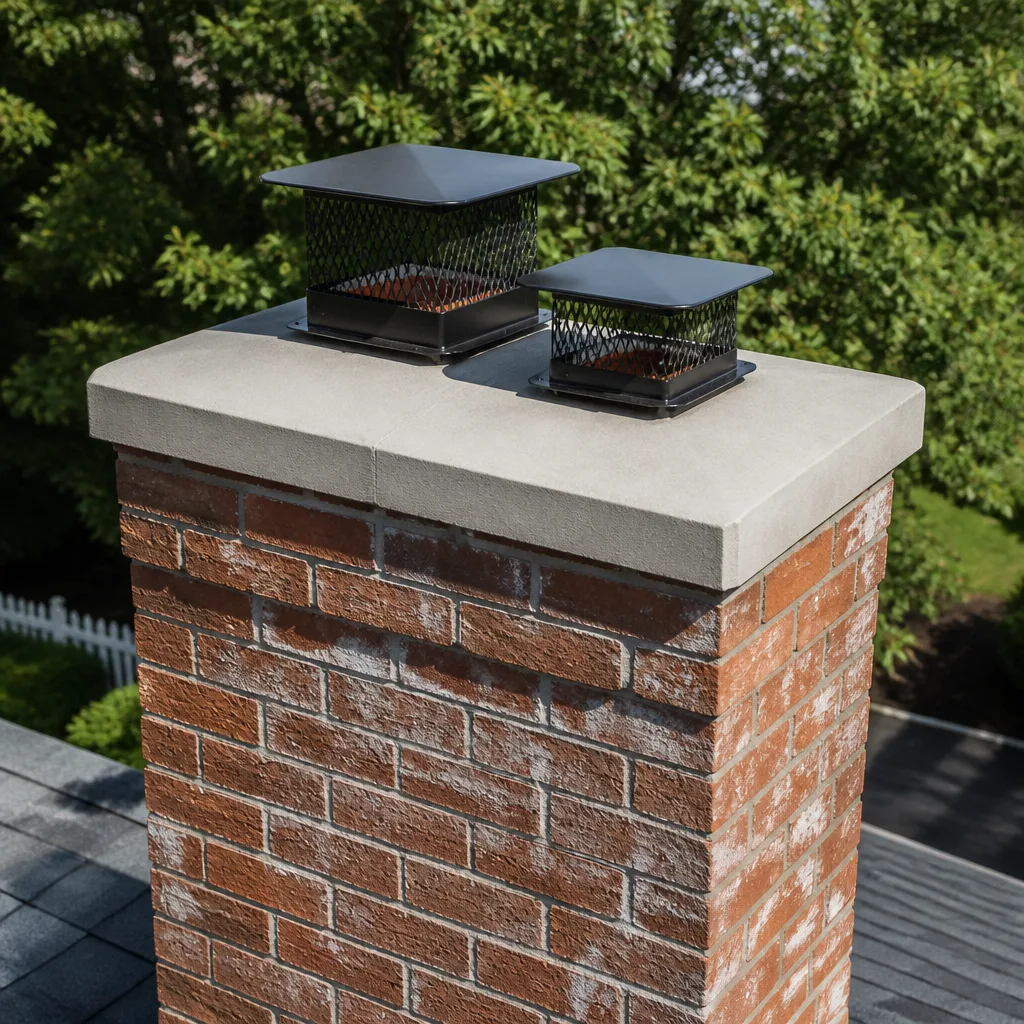 Caps & crowns
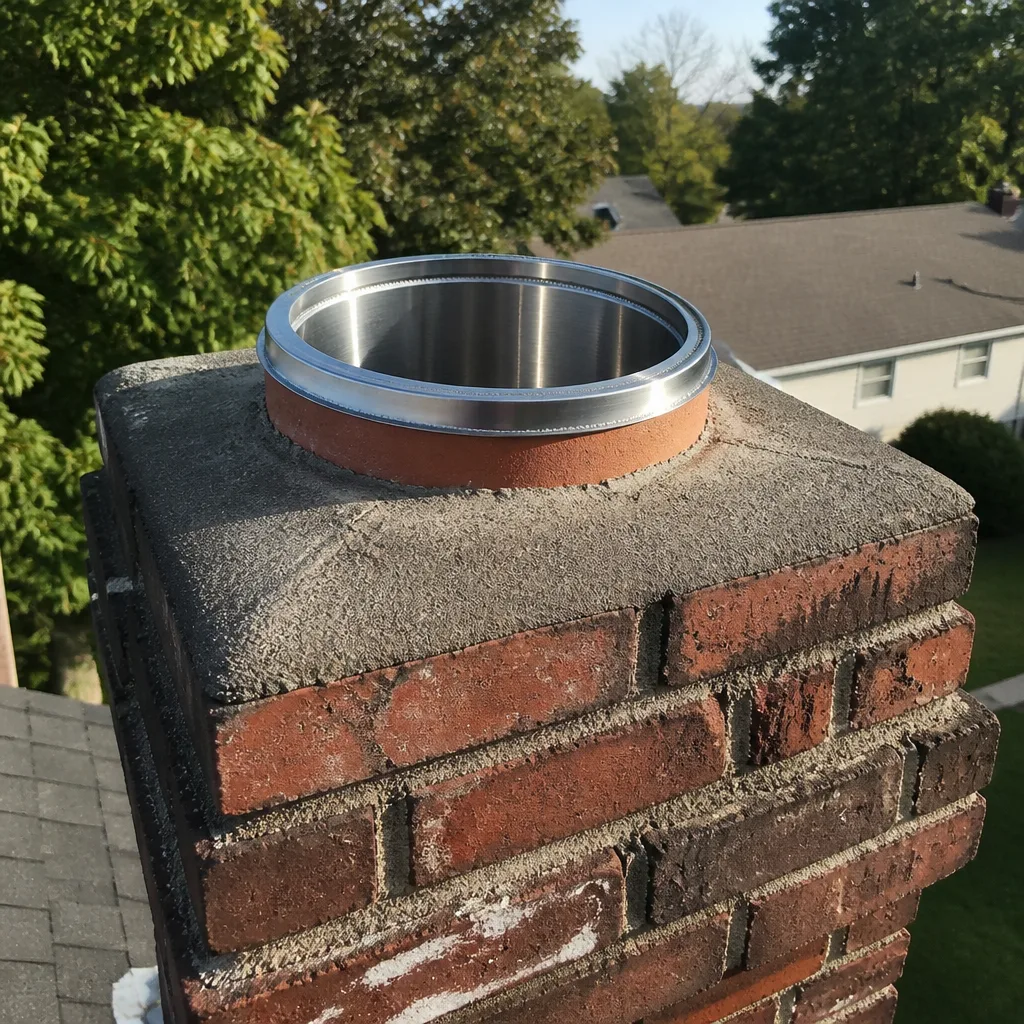 Flue relining
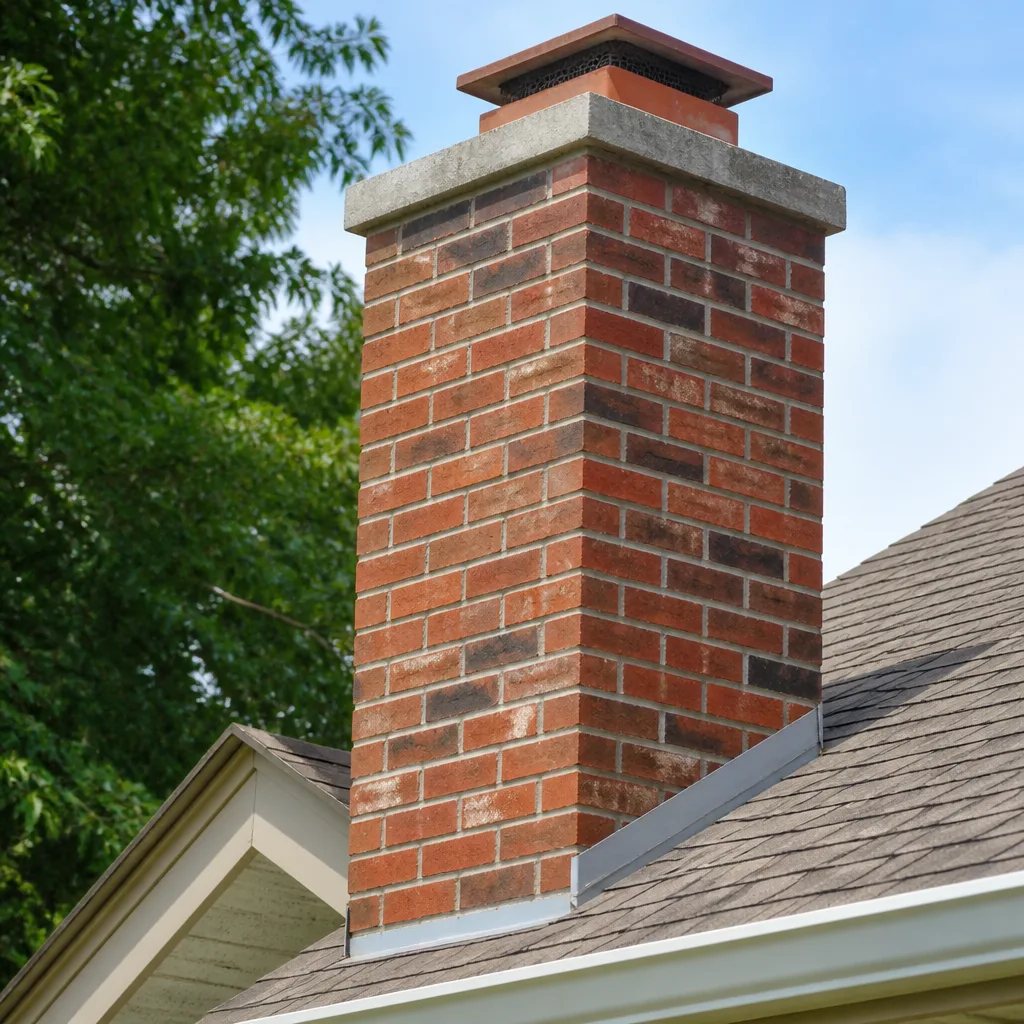 Masonry repair
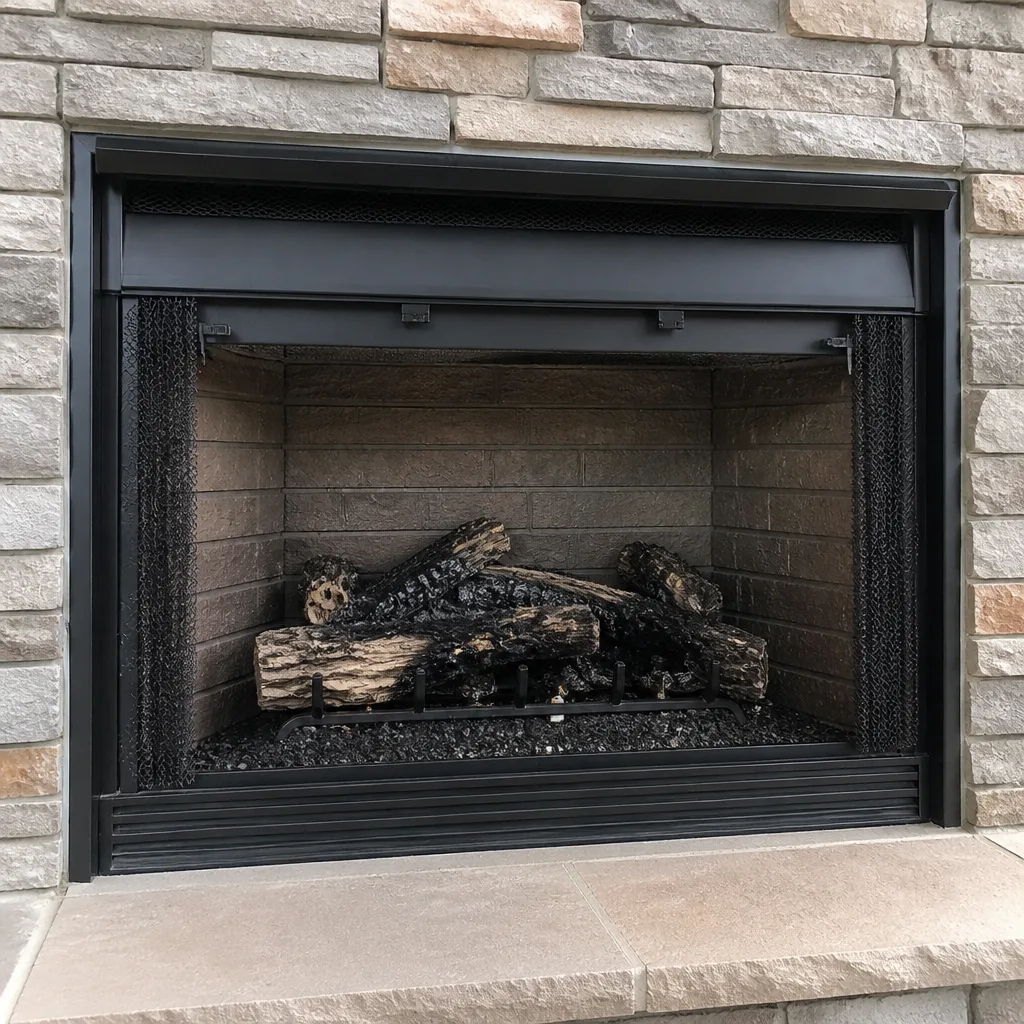 Gas fireplace service
Level 1 sweep and inspection to the NFPA 211 annual standard - flue, crown, cap, and flashing checked and photographed
Chimney sweep logs do not sweep chimneys. They loosen some creosote - which then falls where a brush and vacuum still have to collect it.
The Complete Guide to Chimney Cleaning in Ravenna
Most chimney fires don’t start because a homeowner skipped cleaning. They start because the cleaning happened on the wrong schedule for the wrong fuel type in the wrong climate. A wood-burning fireplace in Ravenna, WA runs on softwoods like Douglas fir and hemlock, sits under one of the densest mature tree canopies in the region, and breathes damp Pacific Northwest air most of the year. That combination produces creosote and debris loads a national-average schedule was never built for. In this guide we walk through how the three-stage creosote system actually plays out in Ravenna, why canopy debris calls for a different brush protocol than pure soot, and what a professional-grade cleaning visit catches that a hardware-store kit won’t.
Quick Answer
Chimney cleaning in Ravenna means removing soot, creosote, and canopy debris from the flue on a schedule matched to your fuel type and the local wet climate, then confirming with an inspection that nothing structural is compromised. For most wood-burning fireplaces in Ravenna that’s an annual visit; for gas inserts it’s an inspection-led cadence. The cleaning is only half the job. The evidence you get afterward is what tells you whether the chimney is safe to burn.
Styles & brands we work with
- Sweep & inspection
- Caps & crowns
- Flue relining
- Masonry repair
- Gas fireplace service
Table of Contents
- Why Ravenna’s Climate Changes the Cleaning Schedule
- The Three-Stage Creosote Classification System
- Canopy Debris: A Different Brush Protocol
- Level 1 vs. Level 2 Inspection During a Standard Cleaning
- Rotary Cleaning Systems vs. Hardware-Store Brush Kits
- What Chimney Cleaning Costs in Ravenna
- What a Professional Cleaning Visit Looks Like
- How Often to Clean in Ravenna
Why Ravenna’s Climate Changes the Cleaning Schedule
Ravenna sits in the lowlands east of Green Lake and north of the University District, tucked into a mature residential canopy that shades a lot of the neighborhood’s rooftops during the burning season. The same wet Pacific Northwest air that keeps the laurels green most of the year also keeps chimney masonry and flue interiors damp on the shoulder months. Those are the months when most Ravenna homeowners stop lighting fires and the flue sits idle, cooling and collecting moisture. Damp flue surfaces give creosote an easier place to bond.
Compare that to a dry-climate fireplace in eastern Washington. Same softwood, same burn pattern, very different deposit. In dry air, creosote tends to stay crumbly and loose for longer, and brushing it out is forgiving. In Ravenna’s wet shoulder seasons, condensation and slow re-warming of the flue encourage the glazed, hardened stages to form faster. A cleaning interval that works for a homeowner in Yakima or Spokane isn’t automatically right for a brick chimney in Ravenna, WA.
There’s a housing dimension too. A lot of Ravenna’s housing stock is older masonry construction, which holds moisture differently than a modern prefabricated metal fireplace. Brick and mortar absorb and release water on a slow cycle, and an unsealed crown or a missing chimney cap & crown lets rain straight down the flue. Once moisture gets in, the deposit chemistry changes and the cleaning job gets harder.
- Wet shoulder seasons slow the flue’s drying cycle and encourage glazed creosote.
- Older masonry housing absorbs moisture and passes it into the flue over time.
- Dense canopy slows rooftop drying and keeps shade on flue tops longer into the season.
- Softwood fuel burns cooler and produces more creosote per cord than hardwoods.
The Three-Stage Creosote Classification System
Creosote isn’t one substance; it’s a family of deposits that form in stages as flue gases cool. Every chimney sweep works from this classification, and it’s the single most important thing to understand about your own chimney. What stage you’re at tells you both the fire risk and the removal method.
Stage 1: Sooty and Flaky
Stage 1 is the light, dusty, flaky deposit you get from reasonably hot fires and good draft. It brushes off with standard flue brushes and a straight vacuum. Most annual cleaners catch the flue at this stage if the fireplace burns dry, seasoned wood and gets swept on schedule.
Stage 2: Crusty and Brittle
Stage 2 forms when the flue cools more before the smoke exits, so the creosote condenses and hardens into a crusty, brittle layer. It doesn’t flake off easily. Standard brushes remove some of it but leave the bonded layer behind. Stage 2 calls for more aggressive brushing and sometimes a rotary head. In Ravenna’s damp shoulder-season conditions, Stage 2 shows up sooner than the national averages suggest.
Stage 3: Glazed and Hardened
Stage 3 is glazed, hardened, and shiny. It’s the most dangerous because it’s dense, it holds heat, and it can ignite. It also doesn’t come off with anything short of commercial rotary equipment. This is the stage where a hardware-store kit simply fails: the bristles bounce off, and the layer stays. When Stage 3 is extensive, restoration products like HeatShield come into play to reline the flue with a structural layer.
- Stage 1 – loose soot, standard brush removal, low fire risk if removed.
- Stage 2 – crusty bonded layer, requires aggressive brushing and rotary heads.
- Stage 3 – glazed hardened layer, calls for rotary cleaning and possibly liner restoration.
Burning softwoods, which is the norm in Ravenna fireplaces, pushes deposits toward Stage 2 and Stage 3 faster. If you burn a mix of fir, hemlock, and the occasional seasoned alder, plan on an annual inspection to catch the transition early.
Canopy Debris: A Different Brush Protocol
Ravenna’s mature tree canopy is one of the neighborhood’s defining features, and it’s also a chimney’s quiet problem. Leaves, twigs, seed pods, and nesting material rain onto rooftops every fall and spring, and anything reaching the flue opening ends up in the smoke chamber, on top of the damper, or caught against the flue tile. This isn’t creosote. It’s physical blockage, and it behaves differently.
Pure creosote brushing assumes a fairly uniform deposit on the flue walls. Debris removal has to happen first because a flue clogged with leaves and twigs won’t let a brush pass cleanly. A sweep who only carries a creosote brush will get stuck or skip the blockage. We start debris removal with a shop vac at the firebox and a chimney-top vacuum, break up the blockage, and only then move into a full brushing pass. This is why a proper chimney sweep in Ravenna starts with a debris assessment rather than going straight for the flue brush.
Nesting material deserves its own note. Birds, squirrels, and occasionally raccoons work their way into uncapped flues in Ravenna and build nests in the smoke chamber or on the damper. You can’t just brush a nest out; you remove it intact, sanitize the affected area, and then talk about a cap. Cap failure is the single most common reason we find animal debris on a Ravenna rooftop.
- Debris removal comes first, before flue brushing.
- Chimney-top vacuum and smoke-chamber access handle leaves and twigs.
- Nests require intact removal and sanitizing, not brushing.
- A properly fitted cap prevents the whole category of problem.
Level 1 vs. Level 2 Inspection During a Standard Cleaning
Every standard cleaning visit should include an inspection, but the level matters. A Level 1 inspection is the visual, readily accessible check: firebox, damper, smoke chamber, flue, cap, and crown, from the ground and from the firebox. A Level 2 adds a video scan of the flue interior with a camera, and it’s what you want when there’s any chance of hidden damage.
What a Level 1 Catches
- Creosote stage and build-up level in the accessible flue.
- Damper operation and obvious obstruction.
- Cap and crown condition from the rooftop or ground.
- Visible cracks in the firebox or flue tile.
- General flue draft indicators.
What a Level 2 Adds
A Level 2 video inspection sees what the eye can’t: hairline cracks in the flue tiles, gaps in the mortar joints, offset flues, hidden blockages, and the condition of the liner behind anything built in. It’s the difference between knowing the visible flue is fine and knowing the whole flue is intact. In Ravenna’s older masonry homes, a Level 2 is worth doing on a first visit even when nothing looks wrong.
When either level turns up a problem, we don’t hand you a referral list. Our own technicians take the finding from inspection to repair. If a flue needs relining, products like DuraFlex and HeatShield let us restore the liner with a structural system rather than reconstruct the whole flue. That single-source accountability is why we keep the sweep, inspection, cap, crown, and repair work in one visit rather than splitting it across contractors.
Rotary Cleaning Systems vs. Hardware-Store Brush Kits
A hardware-store brush kit is a rod and a nylon or polypropylene brush head. It’s fine for Stage 1 flaky soot on a short, straight flue. It struggles with Stage 2, and it basically fails at Stage 3. The reason isn’t the sweep’s skill; it’s physics. A hand-pushed brush relies on wrist force and the flexible rod, and the bristles deflect off a hardened glazed surface without cutting into it.
A commercial rotary cleaning system uses a powered spinning head on a flexible rod. The centrifugal force drives the bristles into the deposit, and the spinning action abrades rather than scrapes. For glazed Stage 3 creosote in a Ravenna chimney, this is the difference between a clean flue and a flue that looks clean from the firebox and still has a glazed layer near the top.
- Debris pass – clear blockage and nesting material from the flue and smoke chamber.
- Brush pass – standard flue brush for loose soot and Stage 1.
- Rotary pass – powered rotary head for Stage 2 crusts and Stage 3 glaze.
- Vacuum pass – HEPA vacuum captures fine soot and keeps the home clean.
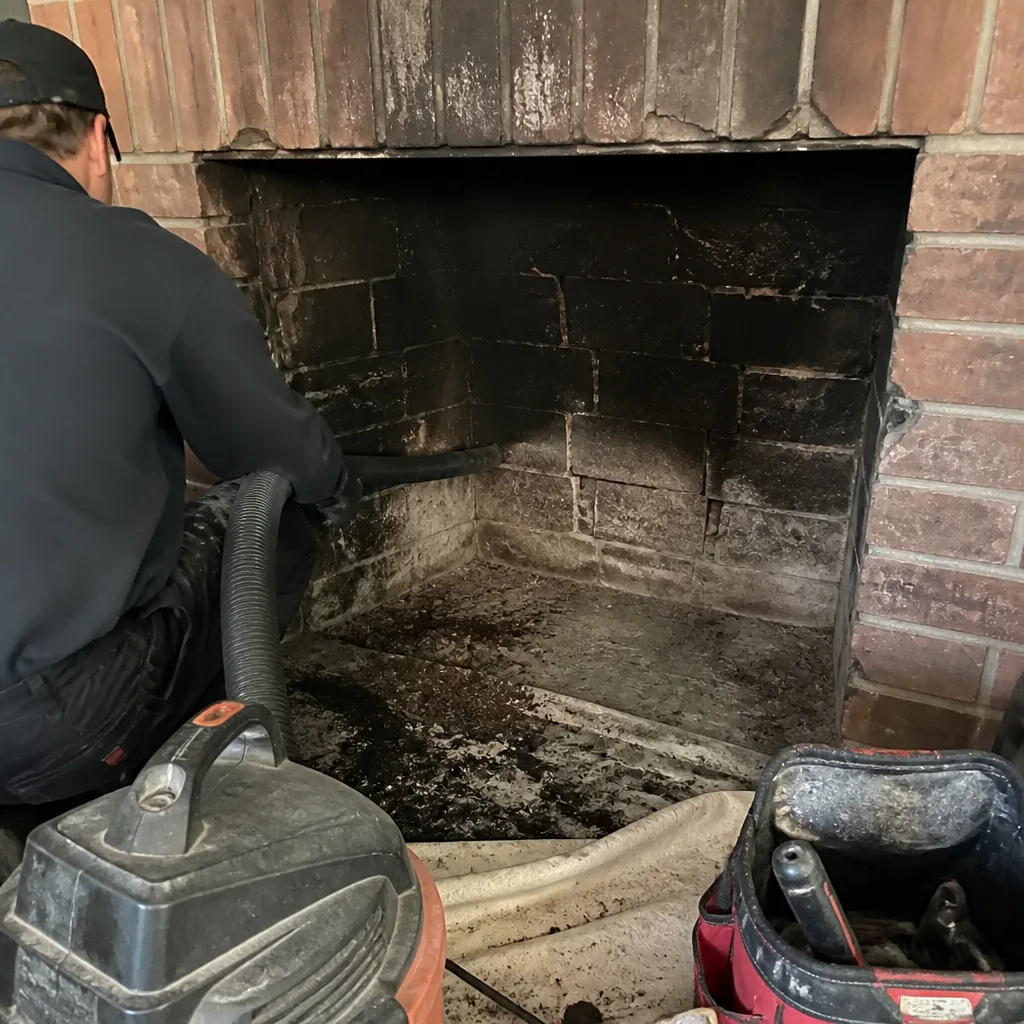
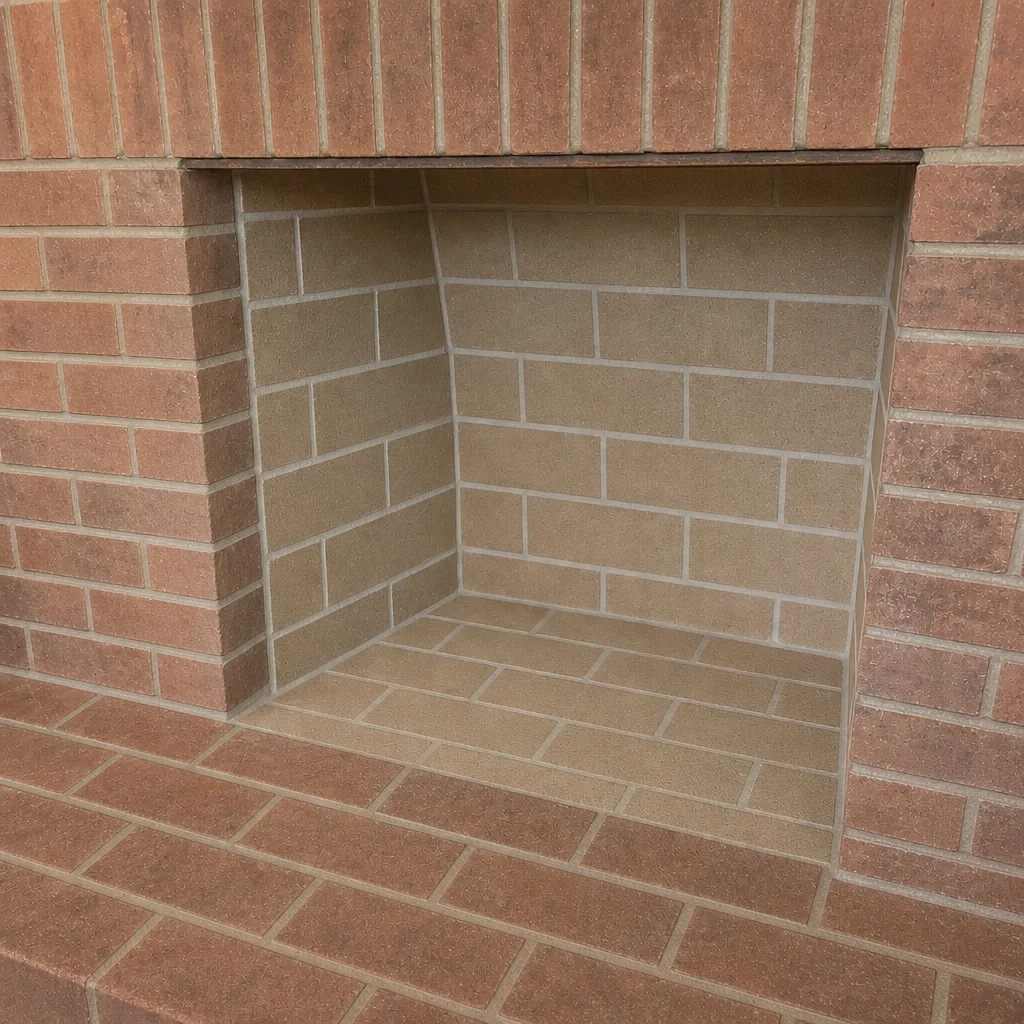
- Photo documentation – the flue interior photographed before and after.
The rotary system matters for a second reason: it lets a sweep confirm the result. Just as important as the cleaning is proving it, which is why we do a camera check before and after and share the images with the homeowner.
What Chimney Cleaning Costs in Ravenna
Chimney cleaning in Ravenna typically runs in a range set by flue length, access, creosote stage, and whether a video inspection is included. The ranges below are typical estimates for the area, not exact quotes; the written estimate sets the final price. We book a flat-price sweep agreed before booking, so you know the number before anyone sets a ladder.
| Service | Typical Estimated Range |
|---|---|
| Standard sweep, single flue | $180 – $280 |
| Sweep with video inspection | $250 – $380 |
| Rotary cleaning (Stage 3) | $320 – $520 |
| HeatShield liner restoration | Quoted per flue after video |
| Cap and crown assessment with sweep | Included |
- Flue length and rooftop access drive the base cost.
- Creosote stage drives whether rotary cleaning is needed.
- Additional flues (fireplace, furnace, or insert) add cost.
- A cap replacement or crown repair follows the written estimate.
One thing we hear often: “Am I being told I need work I can’t verify?” The answer is no. Nothing is recommended without camera evidence you can see yourself, and if the work can wait a season, we say so. Call (855) 550-7534 for an exact quote. Estimates are free. We answer 24/7. Fast dispatch from 7am to 7pm.
What a Professional Cleaning Visit Looks Like
A proper cleaning visit in Ravenna follows a consistent sequence, and it’s worth knowing the steps so you can tell a real service from a cursory one. The sequence runs from the firebox up and from the rooftop down, so nothing gets missed.
- Drop cloths and floor protection around the hearth before any tool comes out.
- Firebox vacuum and debris removal to clear ash, leaves, and nesting material.
- Damper and smoke-chamber check for obstruction and visible damage.
- Flue brushing with the appropriate brush for your flue type and creosote stage.
- Rotary pass if Stage 2 or Stage 3 deposits are present.
- HEPA vacuum pass to capture the fine soot before dust settles.
- Camera inspection before and after, with images shared.
- Cap and crown check from the rooftop, plus a written report.
We use professional-grade equipment on every job, and the same technicians handle the sweep and the repair if one is needed. When a flue needs relining, we work with DuraFlex and HeatShield systems; when a cap or venting component needs replacement, we work with Gelco, Olympia Chimney, Famco, and Copperfield parts. The aim is a chimney that’s ready for the next burning season, not a clean firebox with an unverified flue above it.
Our technicians have up to 10 years of experience, and every job is in their core specialty. We don’t split attention across roofing, HVAC, or general contracting. Chimney work is the trade.
How Often to Clean in Ravenna
For most wood-burning fireplaces in Ravenna, an annual sweep with inspection is the right cadence. That holds whether you burn a cord a season or a few dozen fires. The variable is your fuel and your burning habits, not the calendar alone.
If you burn softwoods like fir and hemlock and you burn through the fall and winter, plan on annual cleaning and expect to be at Stage 1 or Stage 2 by the next visit. If you burn hardwood and burn hot, seasoned fires, annual inspection may be all you need with a cleaning every other year. If you’ve had any chimney fire, a liner replacement, or a change in fuel type, that’s a Level 2 inspection right away regardless of the calendar.
- Wood-burning, fires most weeks: annual sweep with inspection.
- Wood-burning, occasional fires: annual inspection, sweep as needed.
- Gas insert: inspection-led cadence, cleaning when debris warrants.
- Multi-fuel or pellet: annual sweep with flue-specific checks.
- Post-chimney-fire or post-liner change: Level 2 inspection immediately.
We check the schedule against your fuel and your flue, not a national average. The result is the right interval for your chimney in Ravenna, WA.
Common Mistakes to Avoid
- Sweeping on a calendar schedule without looking at the flue. A clean-looking firebox tells you nothing about the flue above it. The camera check is the piece that actually tells you the chimney is safe.
- Using a hardware-store brush on glazed creosote. Stage 3 deposits need a rotary system. Brushing at them with a hand kit leaves the dangerous layer behind while giving a false sense of clean.
- Skipping the cap replacement. Ravenna’s tree canopy guarantees debris will find an uncapped flue. A proper cap is one of the cheapest, highest-value parts of the whole system.
- Burning green or damp softwood. Wet fuel produces more creosote per fire, which accelerates the transition into Stage 2 and Stage 3 in Ravenna’s damp climate.
- Ignoring moisture at the crown. A cracked crown lets water into the flue, which is one of the main reasons glazed creosote forms faster on a Ravenna chimney than on a dry-climate one.
- Hiring a generalist. Chimney work is its own trade. A general contractor with a brush and a ladder won’t have the rotary equipment, the video camera, or the professional-grade relining systems.
- Waiting until the first cold week to book. Fall is the busy season. Booking the sweep before the heating season starts means a proper inspection and any repair finish before you actually need the fireplace.
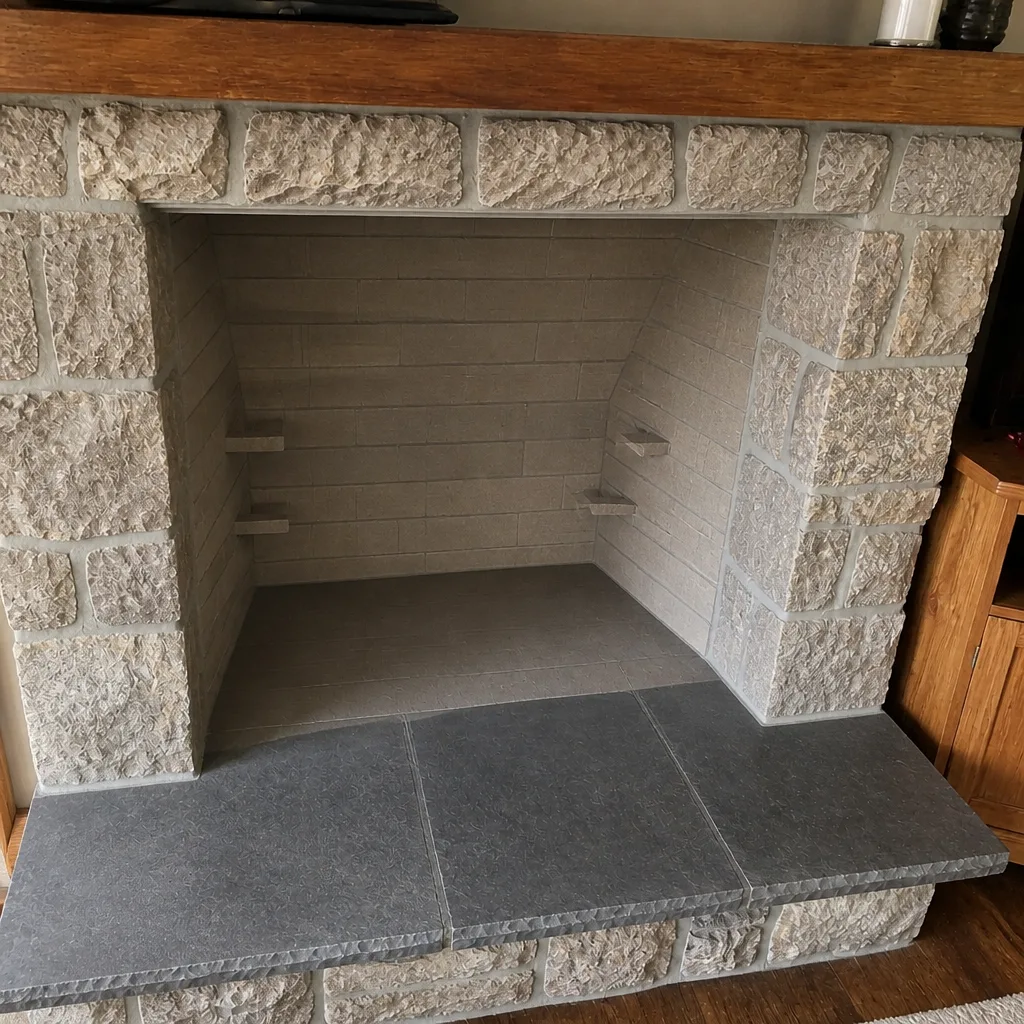
See the difference
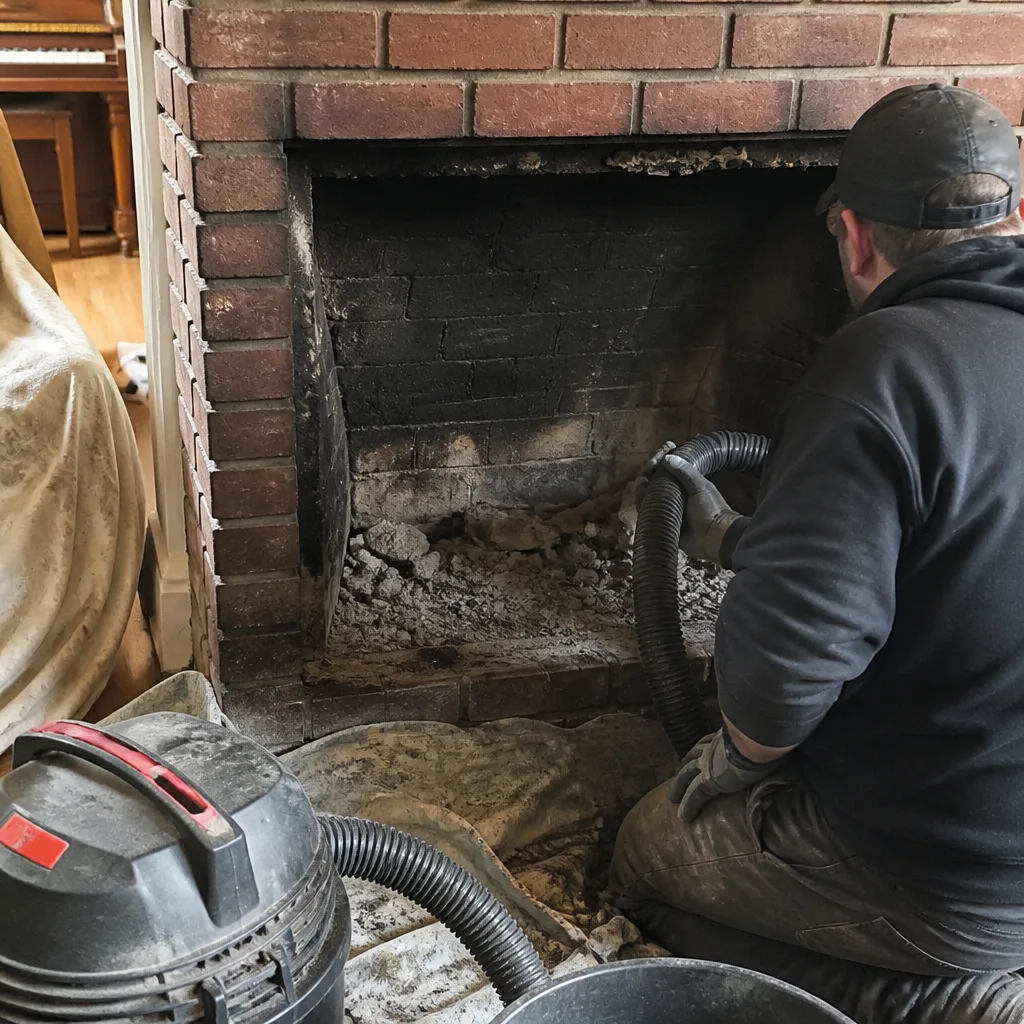 Before
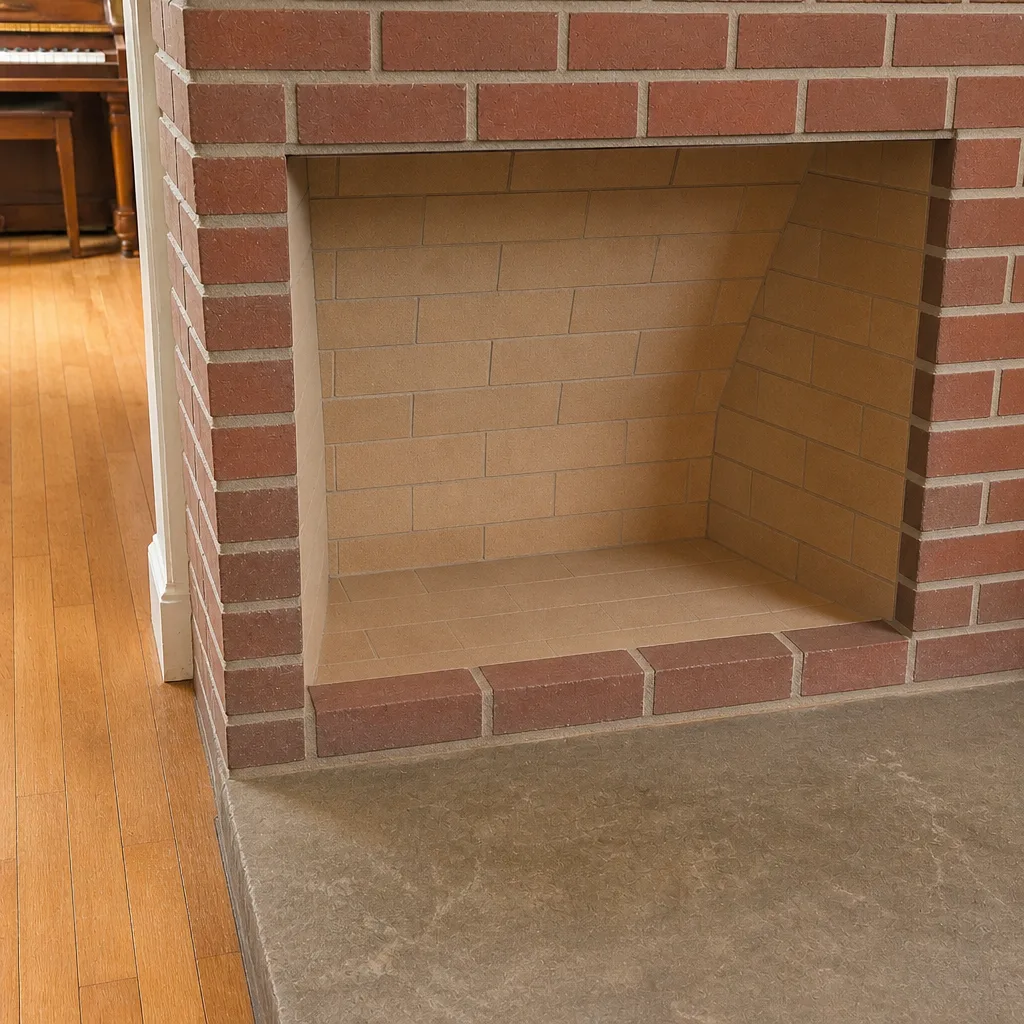 After
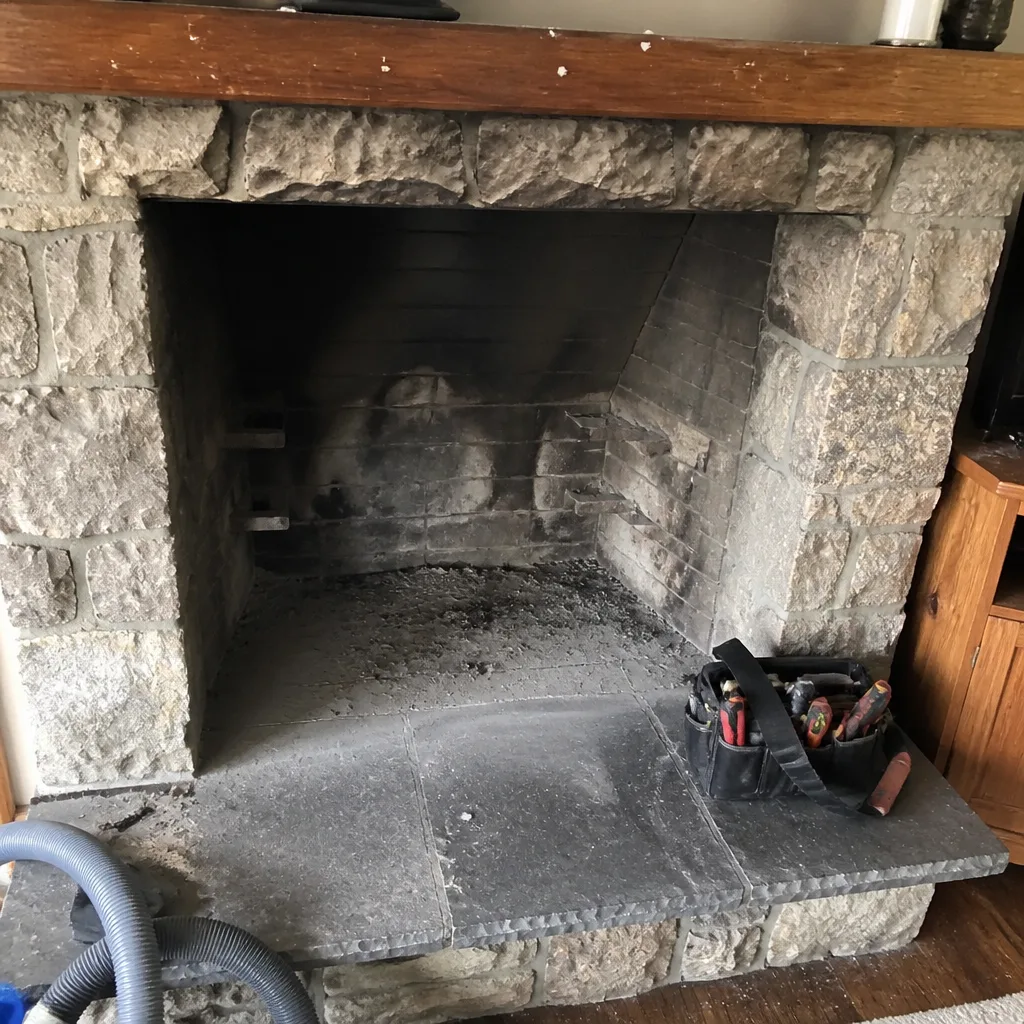 Before
 After
 Before
 After
When to Call a Professional
Call a professional when you smell a strong, acrid creosote odor in the room, when smoke spills into the room instead of drafting up the flue, when you can see black glazing on the flue tile, or when it’s been more than a year since your last cleaning. Call immediately if you’ve had a chimney fire, even a small one, because the flue tile and liner can be compromised in a way only a video inspection catches. Likewise if you find animal debris or a nest in the firebox, or if water is coming down the flue during rain, which points to a cap or crown problem. High-tension components, gas lines, and structural liner work are never a homeowner job; a trained technician handles them.
Chimney Sweep Ravenna offers free estimates in Ravenna. Call (855) 550-7534. We answer 24/7. Fast dispatch from 7am to 7pm, Sunday through Friday.
Frequently Asked Questions
A standard single-flue chimney sweep in Ravenna typically runs $180 to $280, and a sweep with video inspection runs $250 to $380. Rotary cleaning for glazed creosote runs $320 to $520. The written estimate sets the final price, and the sweep price is agreed before booking. Call (855) 550-7534 for an exact quote; estimates are free.
Only when the video inspection shows the existing flue tile or liner is cracked, offset, or so heavily glazed it can’t be cleaned to a safe surface. A HeatShield restoration can often reline an existing flue without rebuilding it, and we show you the camera evidence before recommending anything. If the flue is sound, we tell you it’s sound. Call (855) 550-7534 if you want a second look at a liner quote.
Annually for most wood-burning fireplaces in Ravenna, with a proper inspection every visit. If you burn softwood heavily, expect to be at Stage 1 or Stage 2 by the next visit. Gas inserts need inspection-led servicing. Call (855) 550-7534 to book the sweep and inspection together.
Creosote builds up in the flue and, in Ravenna’s damp climate, transitions from loose soot into crusty and glazed stages faster than in dry regions. A glazed Stage 3 layer can ignite, and canopy debris can block the flue entirely. Skipping the sweep is a fire and carbon monoxide risk in the long run. Call (855) 550-7534 for a sweep before the season.
Only for Stage 1 sooty deposits in a short straight flue. Stage 2 crusts and Stage 3 glaze need a commercial rotary system with a powered spinning head, because hand brushes deflect off hardened deposits. Call (855) 550-7534 for a rotary-capable cleaning.
A Level 1 is the visual check of the firebox, damper, smoke chamber, accessible flue, cap, and crown. A Level 2 adds a video scan of the flue interior and sees hidden cracks, gaps, offsets, and blockage. Ravenna homes with older masonry should have a Level 2 on the first visit. Call (855) 550-7534 to book one.
The Bottom Line
A chimney in Ravenna isn’t cleaning itself on a national-average schedule. Softwood fuel, a wet shoulder season, and a dense canopy all push creosote toward the glazed stages sooner, and canopy debris blocks flues in ways a plain brush doesn’t touch. The right approach is a debris pass, a brushing pass, a rotary pass where Stage 2 or Stage 3 is present, a camera inspection with images you can see, and a cap and crown check on the same visit. That’s a chimney-only visit from a chimney-only specialist, using professional-grade systems like DuraFlex and HeatShield, with our own technicians handling both the sweep and any fireplace repair that follows. Nothing is recommended without evidence, and work that can safely wait will wait.
Ready to book? Call Chimney Sweep Ravenna at (855) 550-7534 for a free estimate on chimney cleaning in Ravenna. We answer 24/7. Fast dispatch from 7am to 7pm, Sunday through Friday.
Written by the team at Chimney Sweep Ravenna.